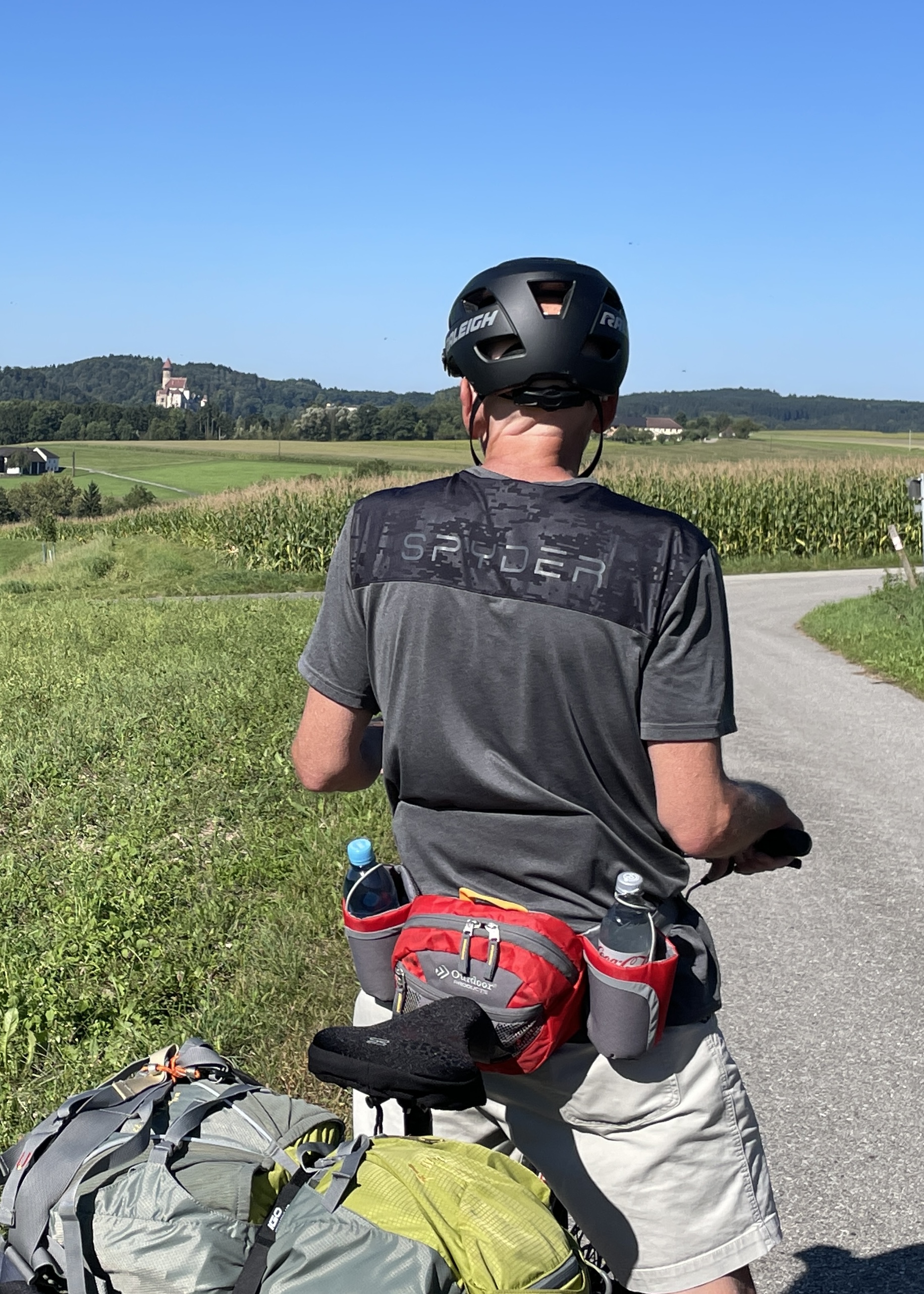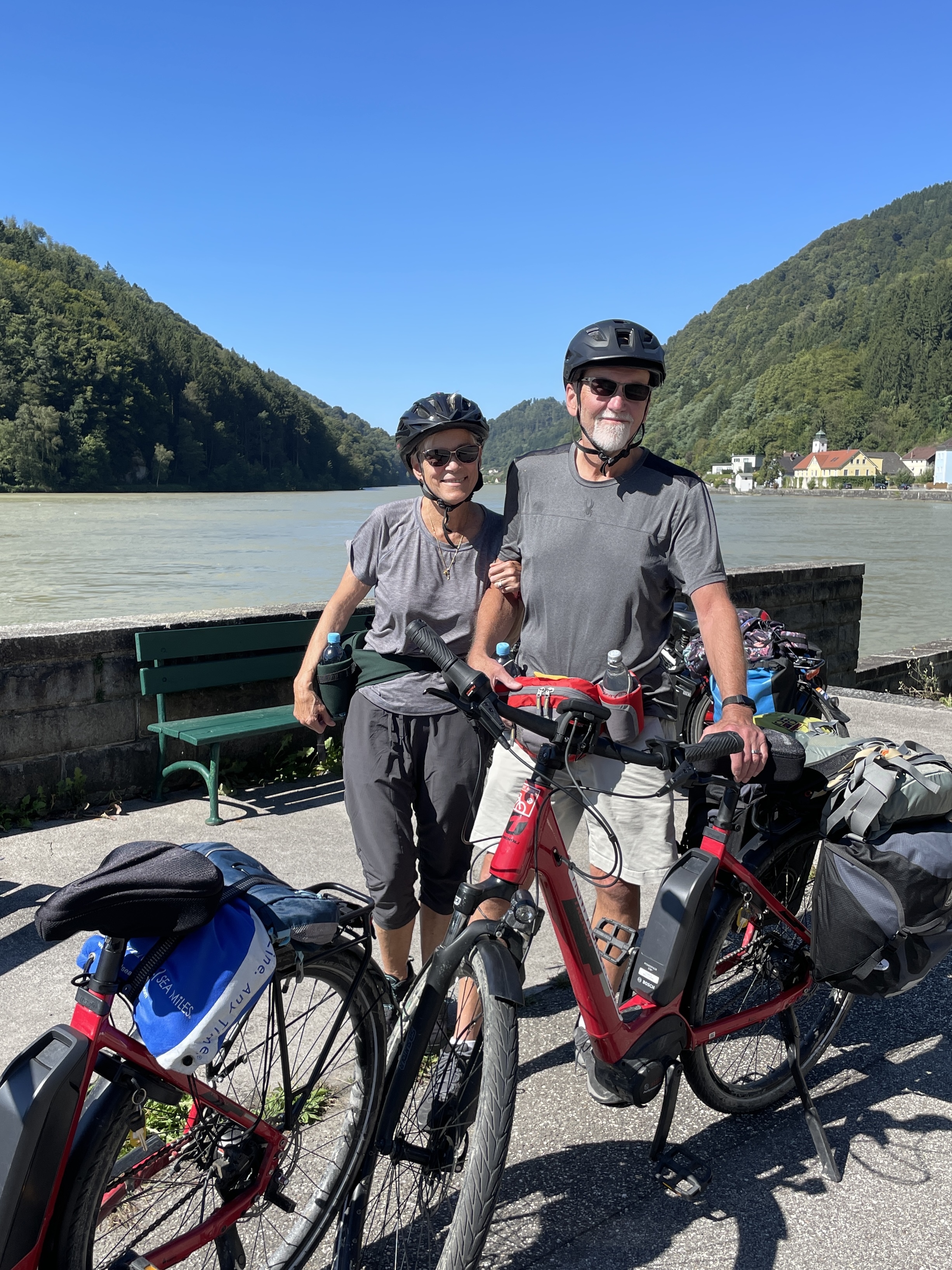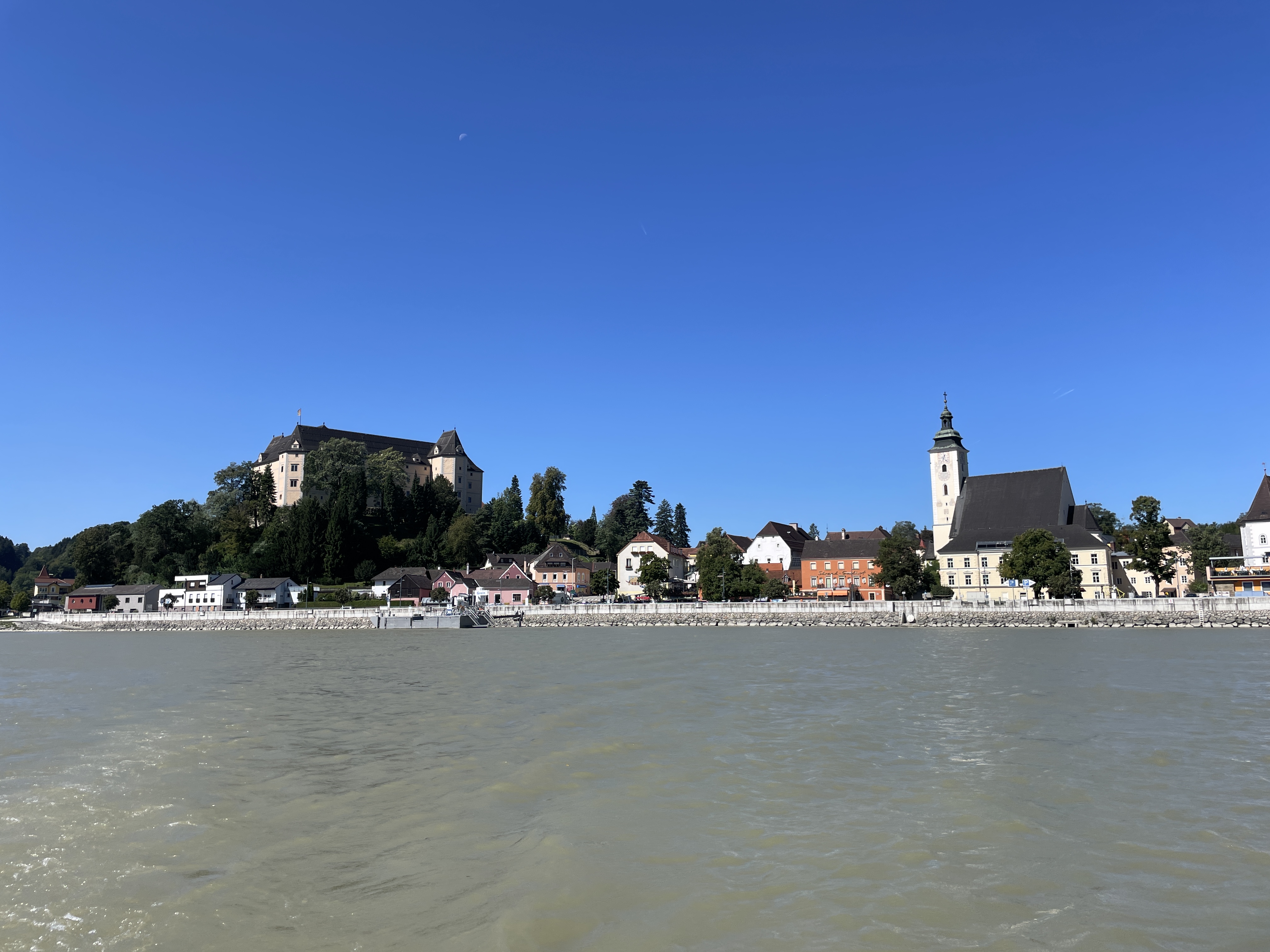
Sept 12th – Klosterneuberg to Vienna 14.76 (8.76 miles)
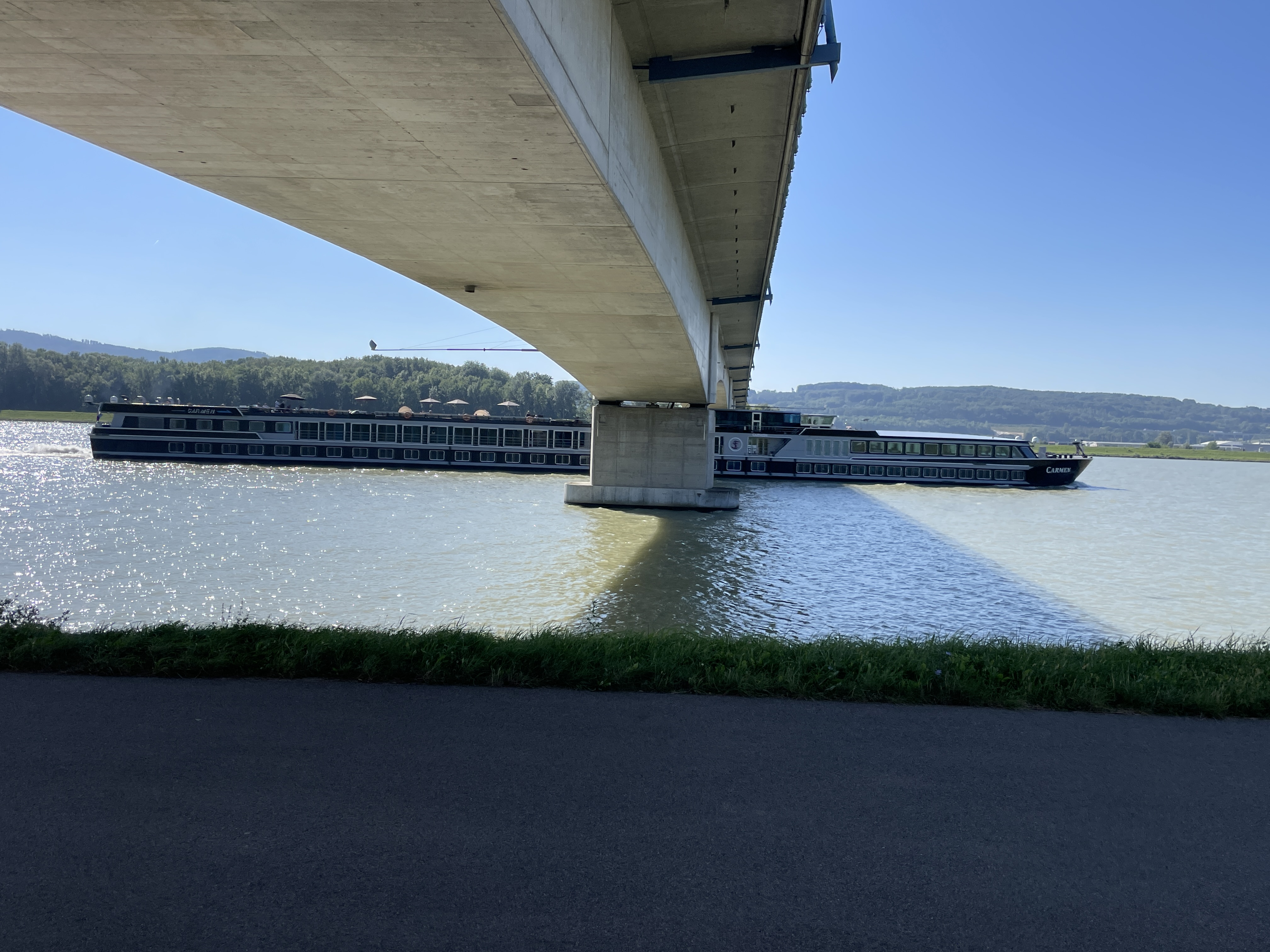
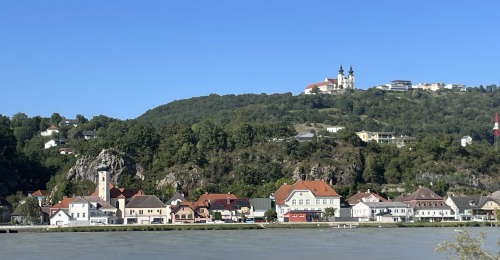
It was time to ride the bikes to our final destination. This was definitely urban cycling, some underneath a major roadway. Vienna, is a pristine city on the surface, but down by the river it is a blanket of graffiti, some quite beautiful.
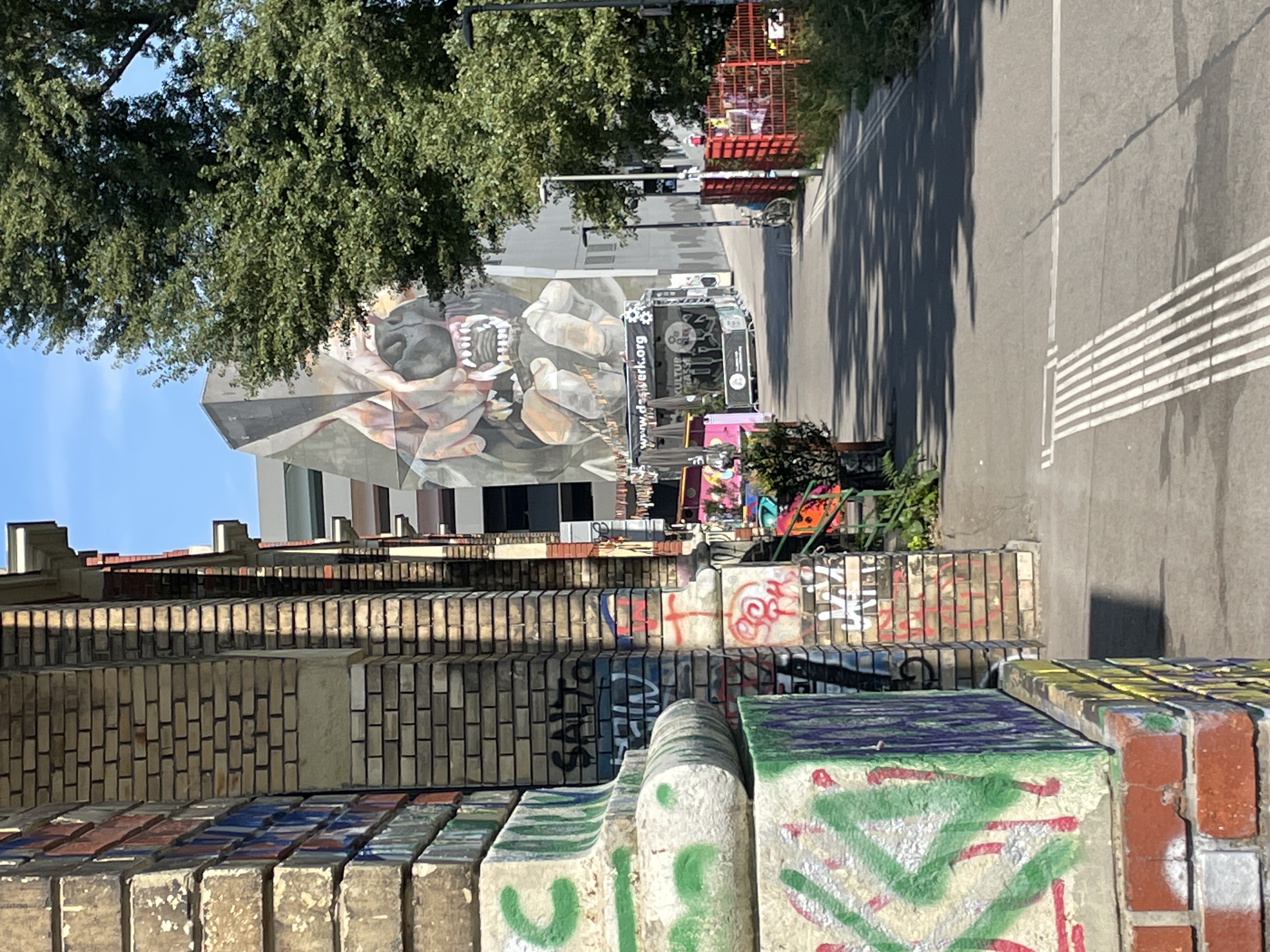
Crazy enough, we hit the only stretch of unpaved slippery gravel of the trip. Then we walked our bikes for the last few blocks as there was no bike lane. We were ready to end this part of our adventure.
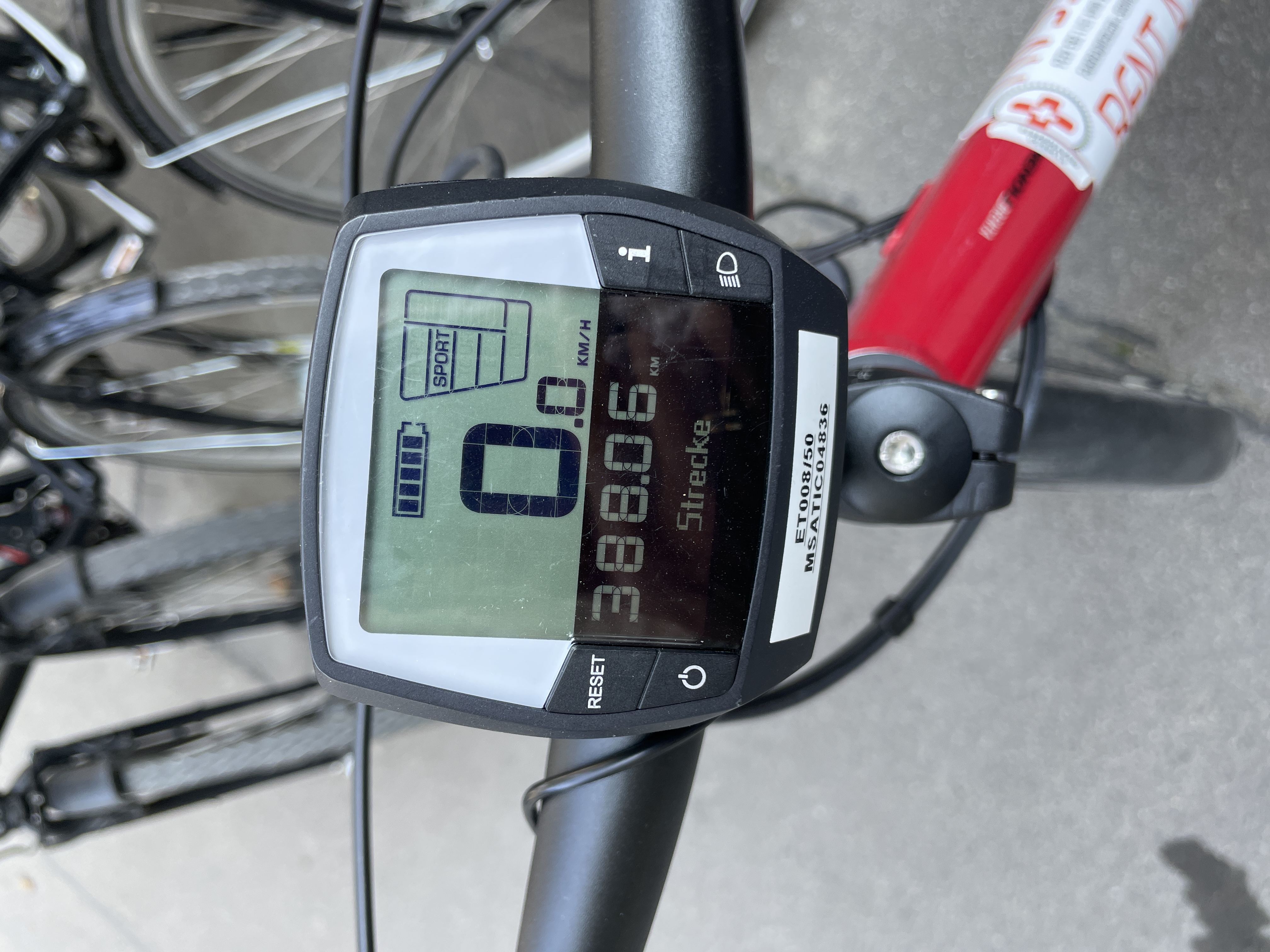
The bike shop was close by and run by a man, coincidentally also an artist, who used to live in Vancouver. We finished the trip with 388k (232 miles) on the odometer. The average wasn't too bad, 55.42k (33.25miles) per day, but we had several days with up to twice the distance averaged with the final short days.
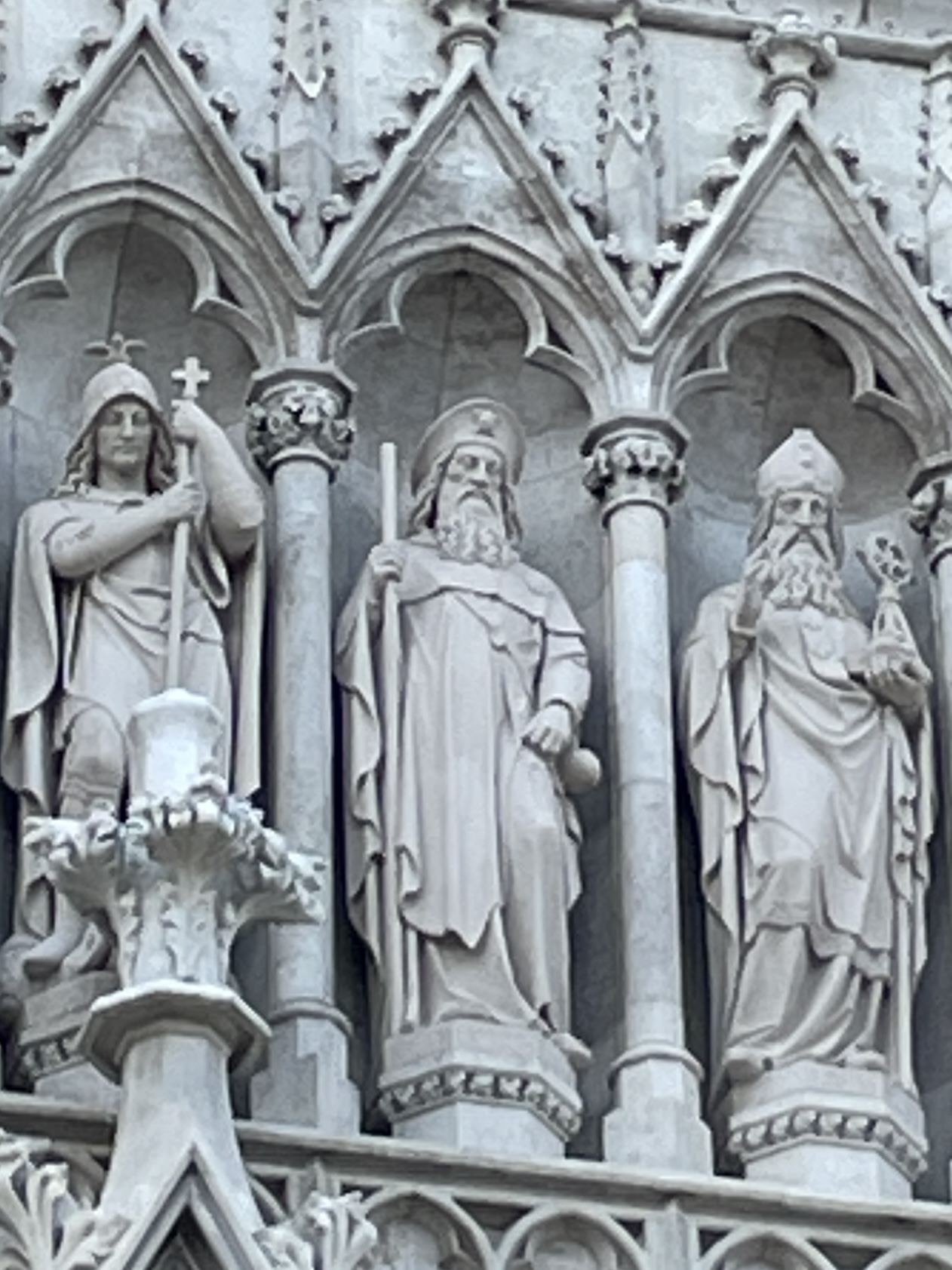
After an interesting conversation we went to his recommended restaurant for a celebratory wine and cheese lunch, followed by one full route on the hop on hop off bus. We passed a church with a statue of St. James, the patron saint of the Camino de Santiago, the one with the scallop shell on his hat. Uh-oh are we being called back to being pilgrims?
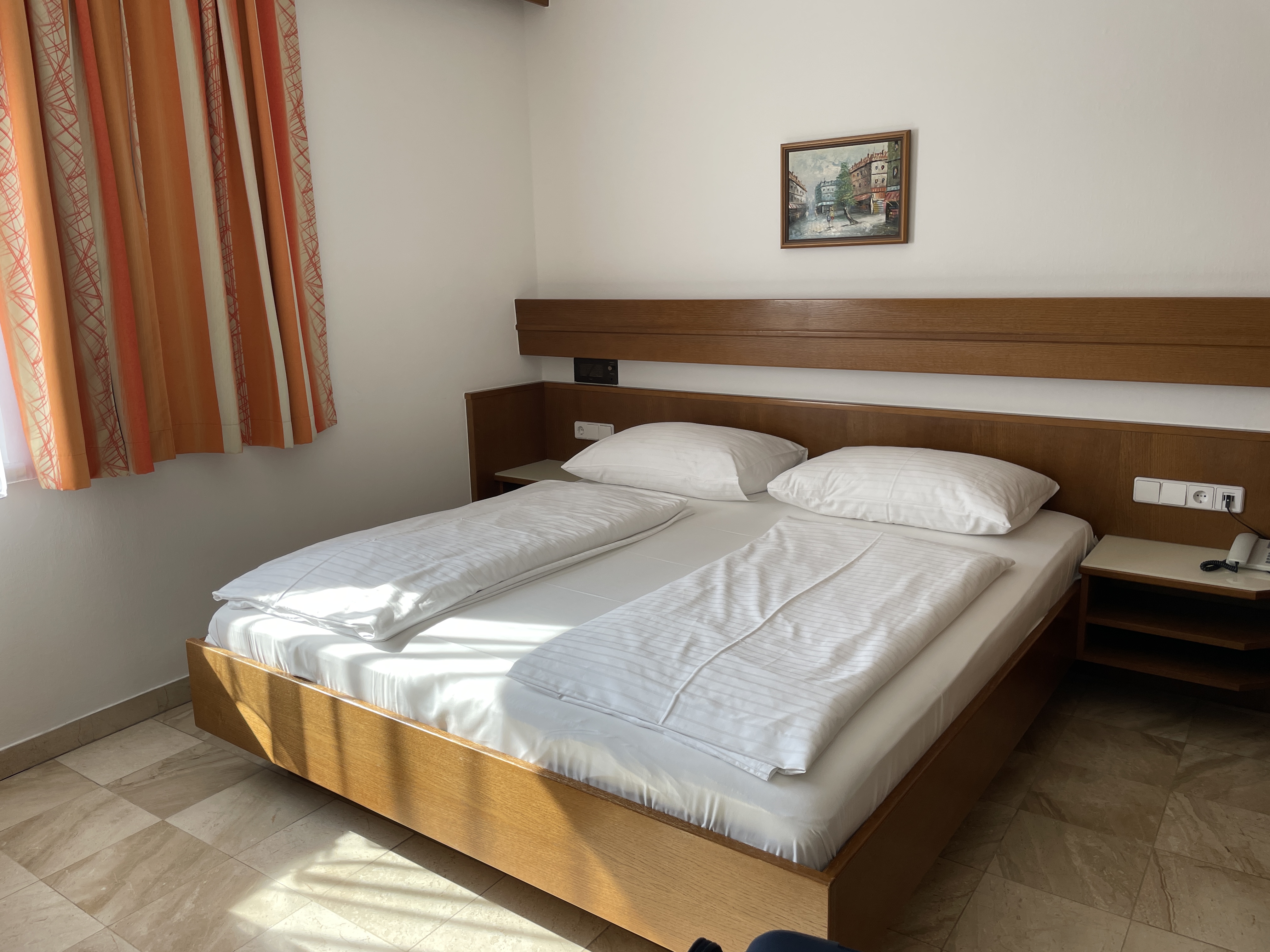
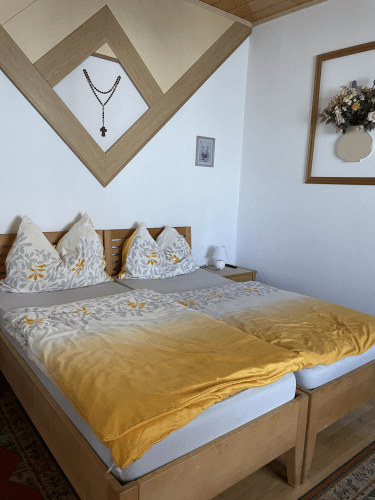
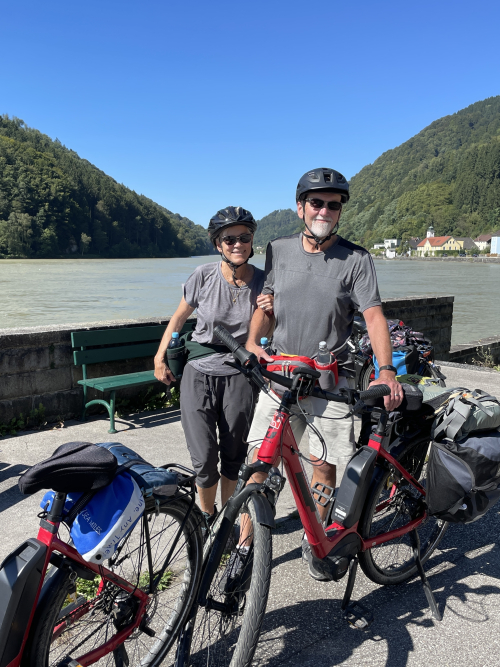
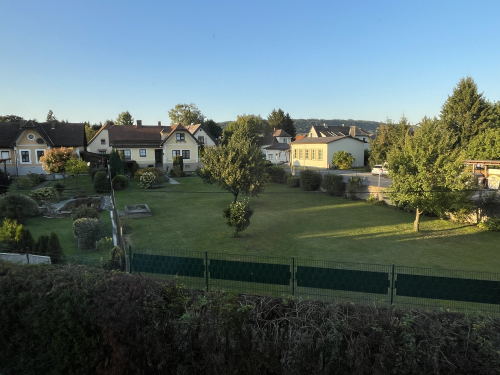
We took the train back to Klosterneuberg and chatted with a local couple. They asked if we were camping and were surprised when I said we were staying in a hotel. We must have looked as if we spent the last eight days outdoors. I guess we did.
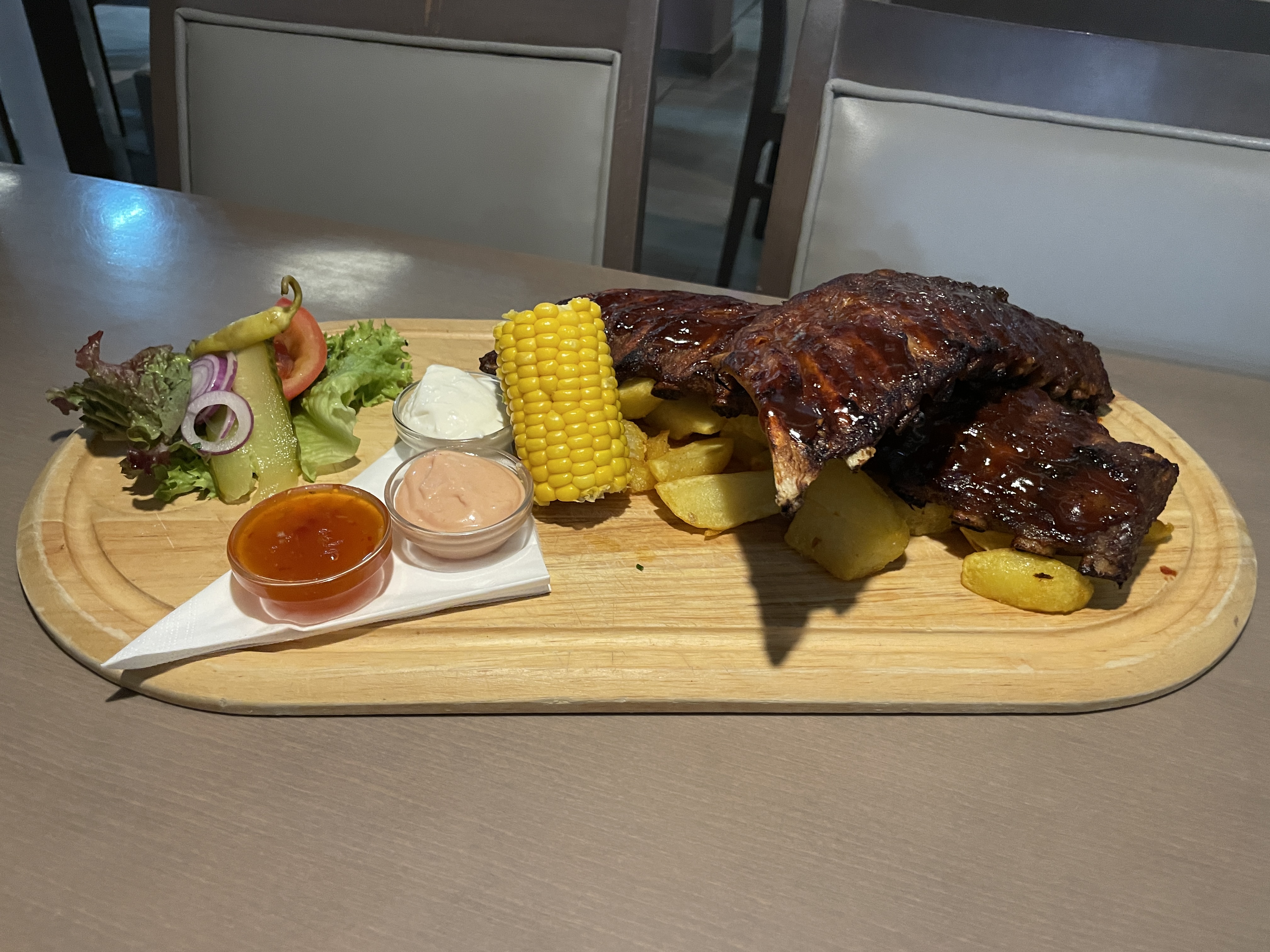
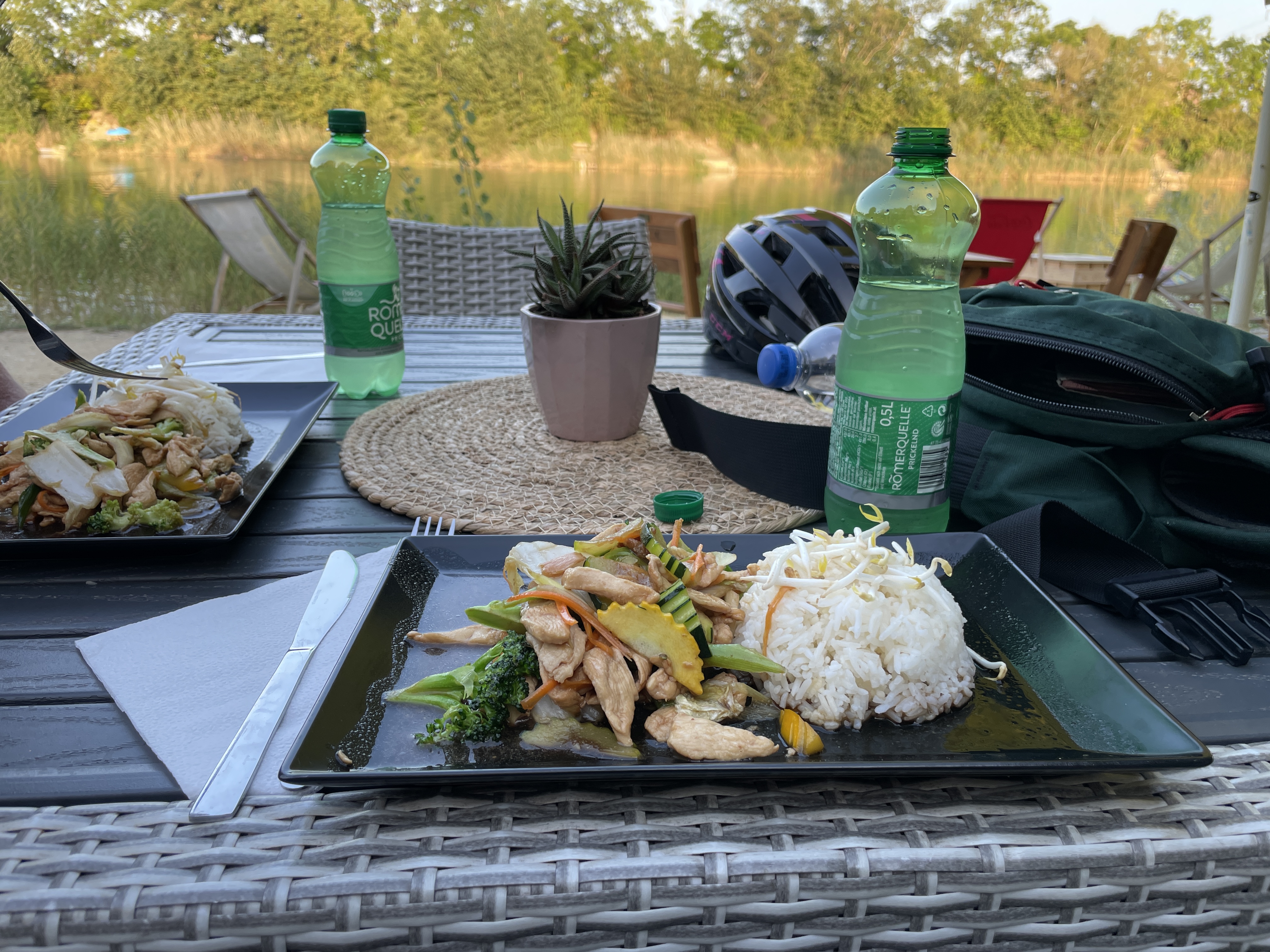
We walked to dinner at a nearby sports complex and shared a HUGE amazing rib meal. Meanwhile mosquitoes made a meal of us.
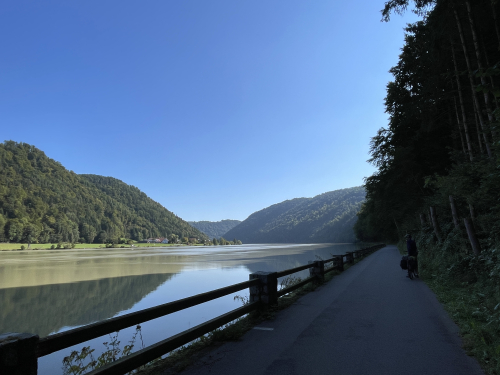
C and I have walked long distances three times on the Camino de Santiago and both agree we prefer it to cycling. When you walk you can get into a meditative rhythm, soak in the scenery or chat with another pilgrim. On a bike you have to concentrate on your riding and safety 100% of the time. The path is narrow and heavily travelled. You have to be careful to hug your side as local riders don’t have bells and I never heard anyone call out “on your left” as we do here.
The trip was good but painful. I think I would bring my own bike seat next time, one that I’m used to. Even with added seat pads, the issue was the pressure not the softness. I felt like I birthed a ten pound baby.
We lucked out with the weather although we carried rain gear. Thank goodness we didn’t have to use it.
It was a very expensive trip between the bike rentals, shipping of two suitcases to our ultimate destination and the high cost of accommodation and meals in Europe. For us, travelwise, there are more efficient ways to spend money for a good experience. We were asked recently, with all our travels, how we decide on destinations. The honest answer was we look for the deals. It has to be an exceptional value.
Bottom line: a bike ride along the Danube – not as romantic as it sounds.
What’s next? A full day and a night in Vienna, then a flight to Southampton, England, where we will start a 16 night Northern European cruise, booked via a last minute sale. We had four European spots on our list for future travel, but airfares are so high we managed to accomplish three on this trip: visiting friends, biking down the Danube and a cruise that included the British Isles. We still have a longterm European goal to achieve – a trek down the Haervegen trail in Denmark and related visits in the Copenhagen area.
















 Life's a Stitch