• September 15: 22k+ (including a detour)

    C's least favourite Camino day so far, but let's back up to last night, which was amazing. We experienced dramatic foreshadowing when it came to finding our accommodation, Ofirina B&B, using Google Maps. After walking through a beautiful but maze-like neighbourhood, a local landscaper walked us to our destination. 

    There are no photos of our stay, so the good memories will be left to our hearts and minds. Host, Grace, has recently bought this house and started her business. She was just what you dream a B&B host should be: welcoming, friendly, helpful and generous. The bedroom was as described, the first one on this Camino, large enough to turn around in. There was some mapping confusion as to our next destination, so Grace took us to her Camino contact at a local cafe. 

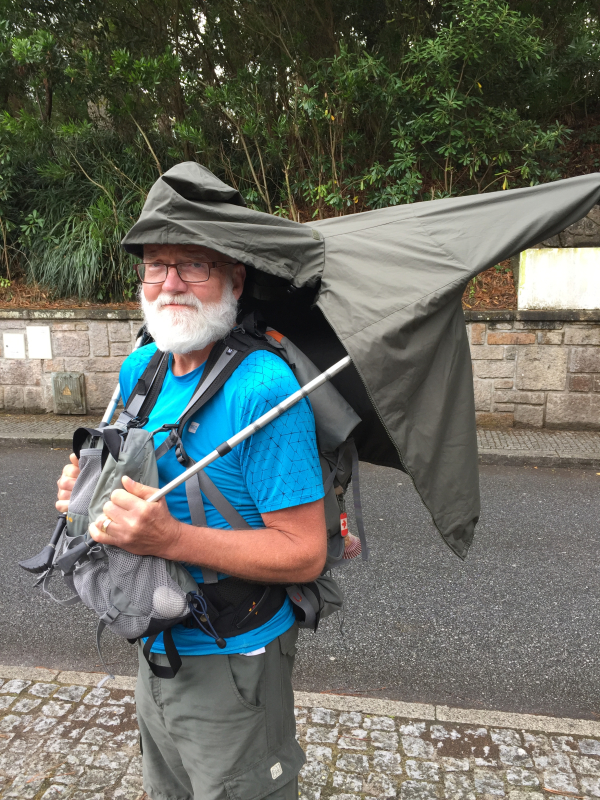
    Off we went as it started to rain. Not-so-Accuweather strikes again. This time I packed along my $5 survival umbrella. C, who refuses such extraneous items, fashioned his own, not without comments and looks by the locals.

    Image
    They can't be too critical. I saw a woman using a large purse on her head for rain protection.
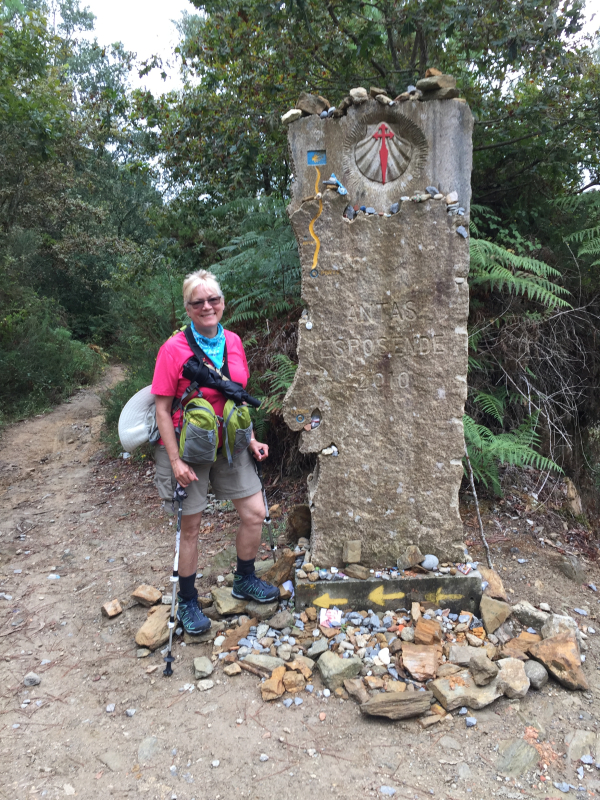
    No boardwalks today. Most was on cobblestones through small villages with a fair bit of incline. Then came the trail through the forest that reminded us of home except for the trees, mainly oak and eucalyptus. Camino signage is getting better.
    Image

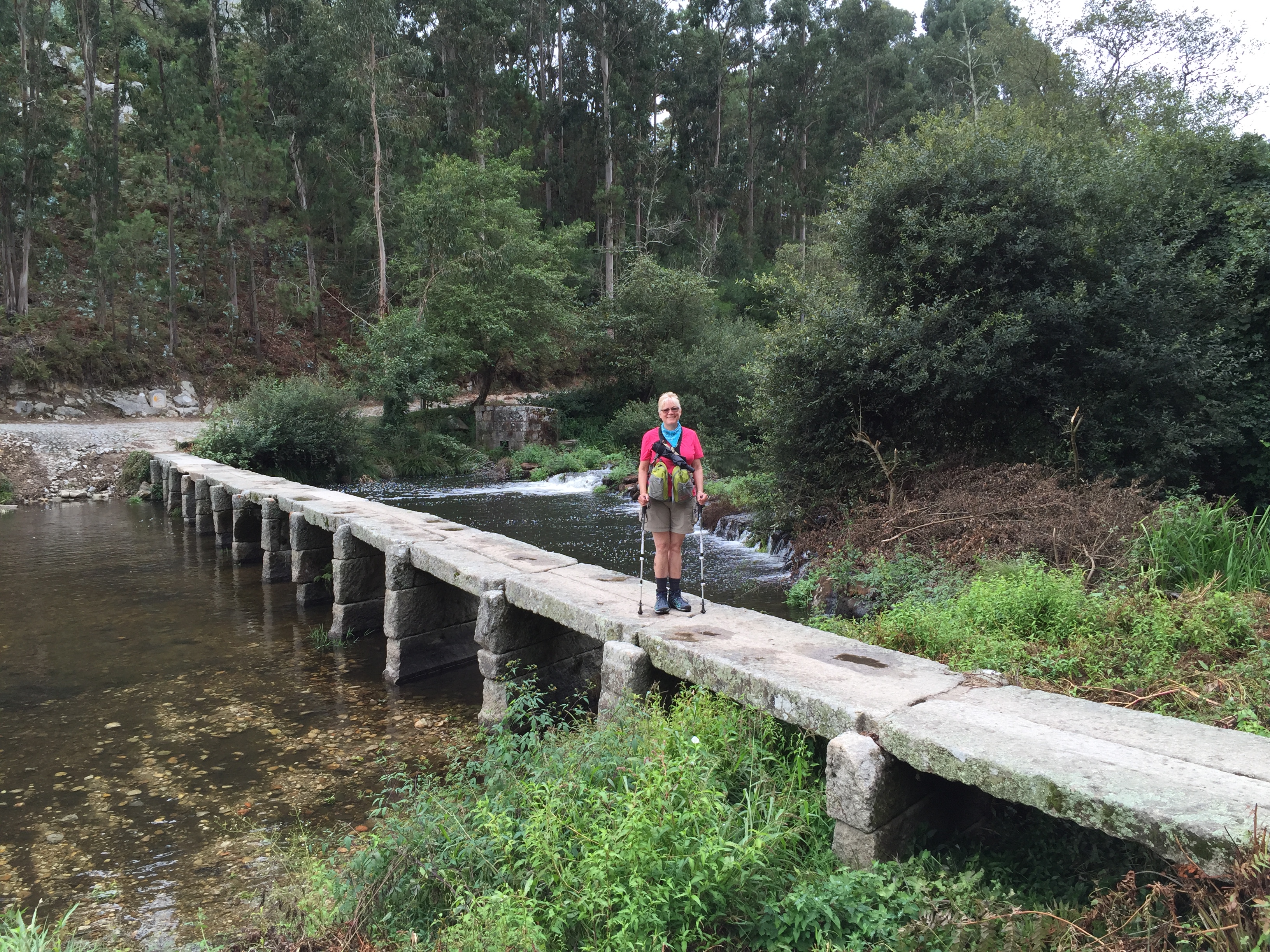
    There are many bridges on this route, this one not so intimidating as the river ran fairly shallow.
    Image 

    The final section was not so good. Due to a typo in the host's email, Google Maps took us 5k out of the way in finding our off Camino accommodation. Five K off when C was feeling the heat to the point of illness. Got to get that boy on my electrolytes. One phone call and our host came to the rescue and all's well again.

    Too tired from an exhausting day we resorted to backpack food for dinner: tuna pâté, the Portugeuse equivalent of cheese whiz and canned pimento. It worked. 
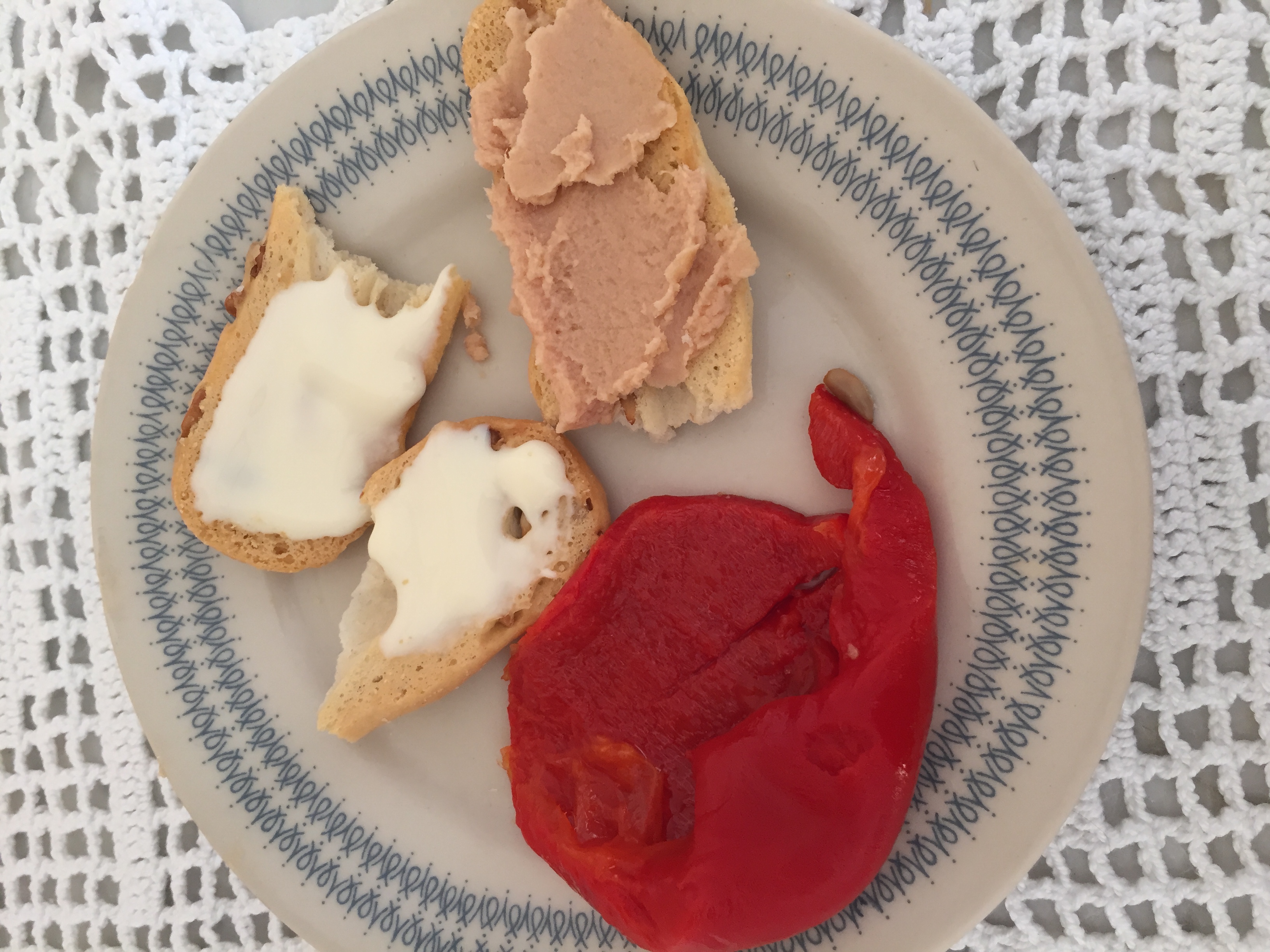
    Image

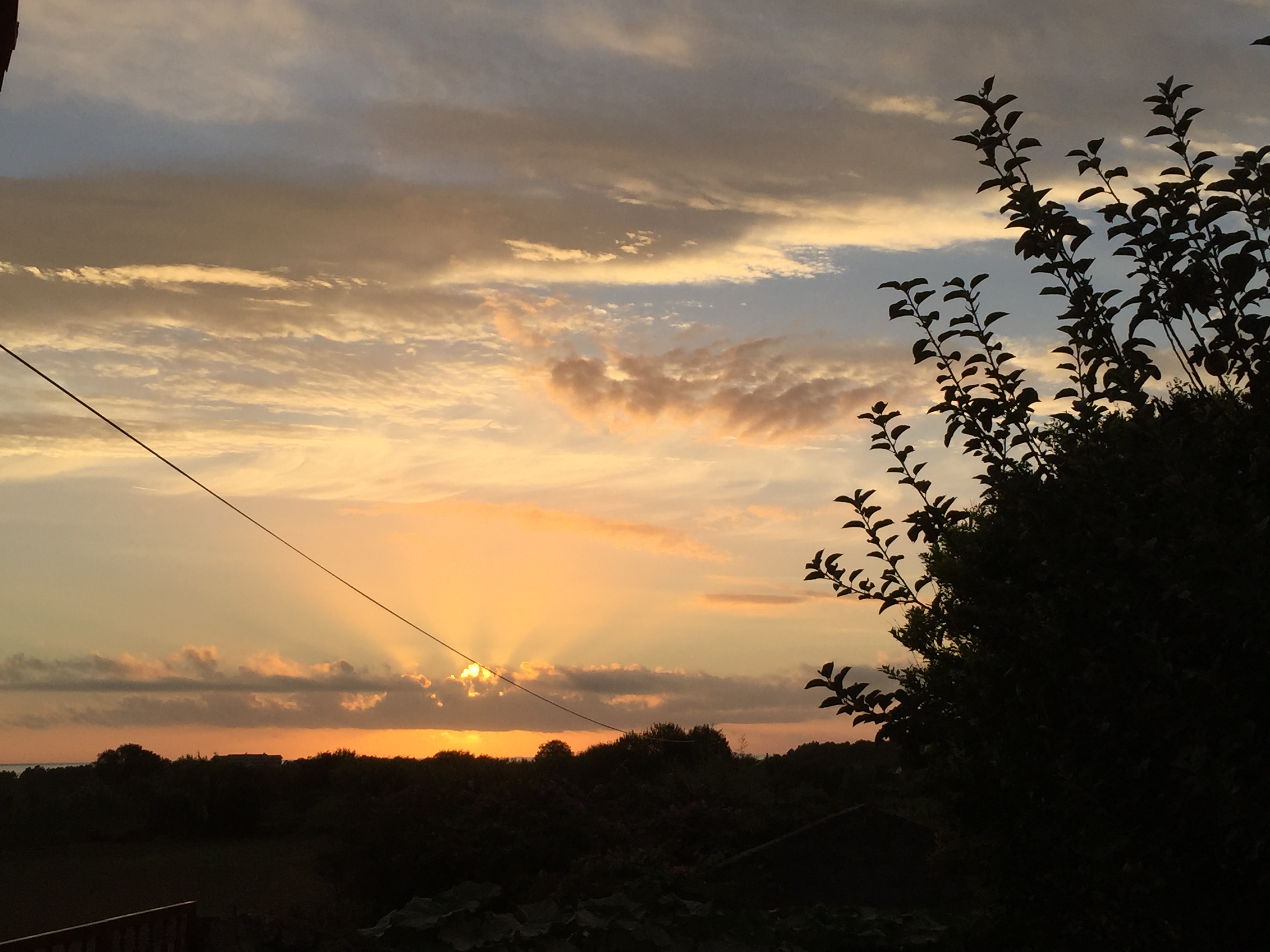
    The good parts: a clothes washer, meeting a group of seven young Polish pilgrims (such energy!), and a magnificent sunset.
    Image

    Hoping for a better day tomorrow.
     

  • September 14:  22K including a bit of being lost 

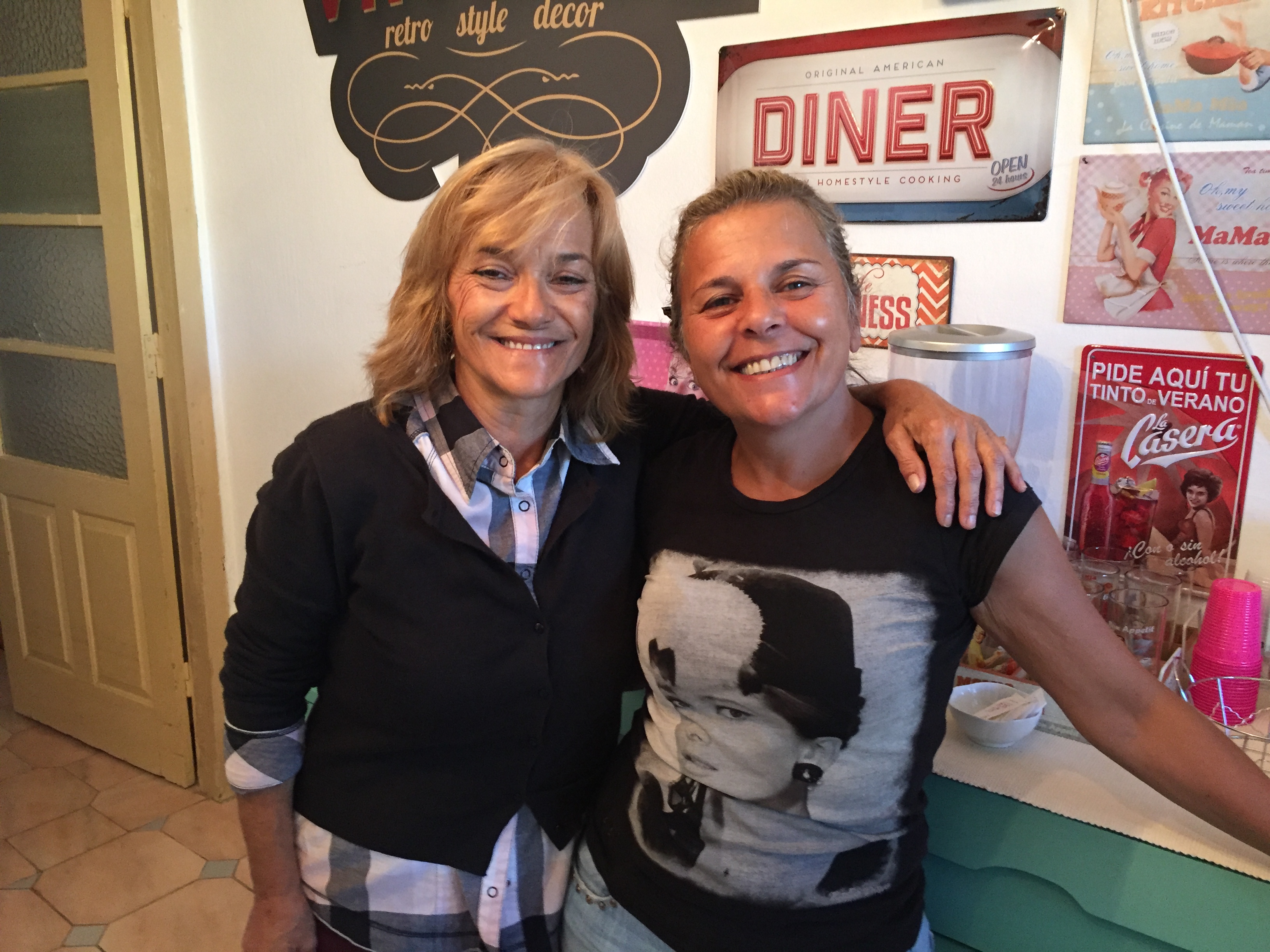
    Last night we stayed in a B&B called the Lapa Vintage, owned  since June by two exuberant women:

    Image

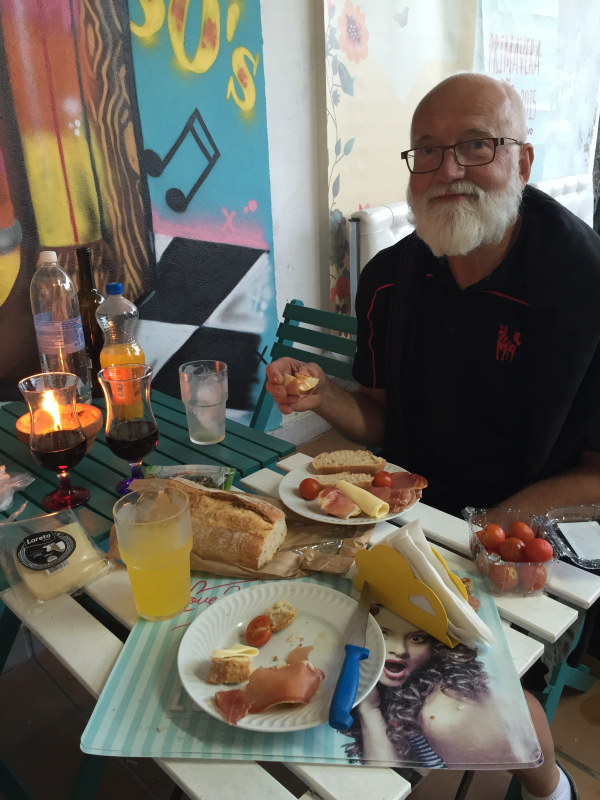
    The downstairs portion of the house was decorated in 1950's or before. The upstairs was a traditional vintage Portugeuse house. We were reminded many times that "this is your home." Too tired to eat out, we picked up ham, cheese, bread and wine for a candlelight dinner.

    Image

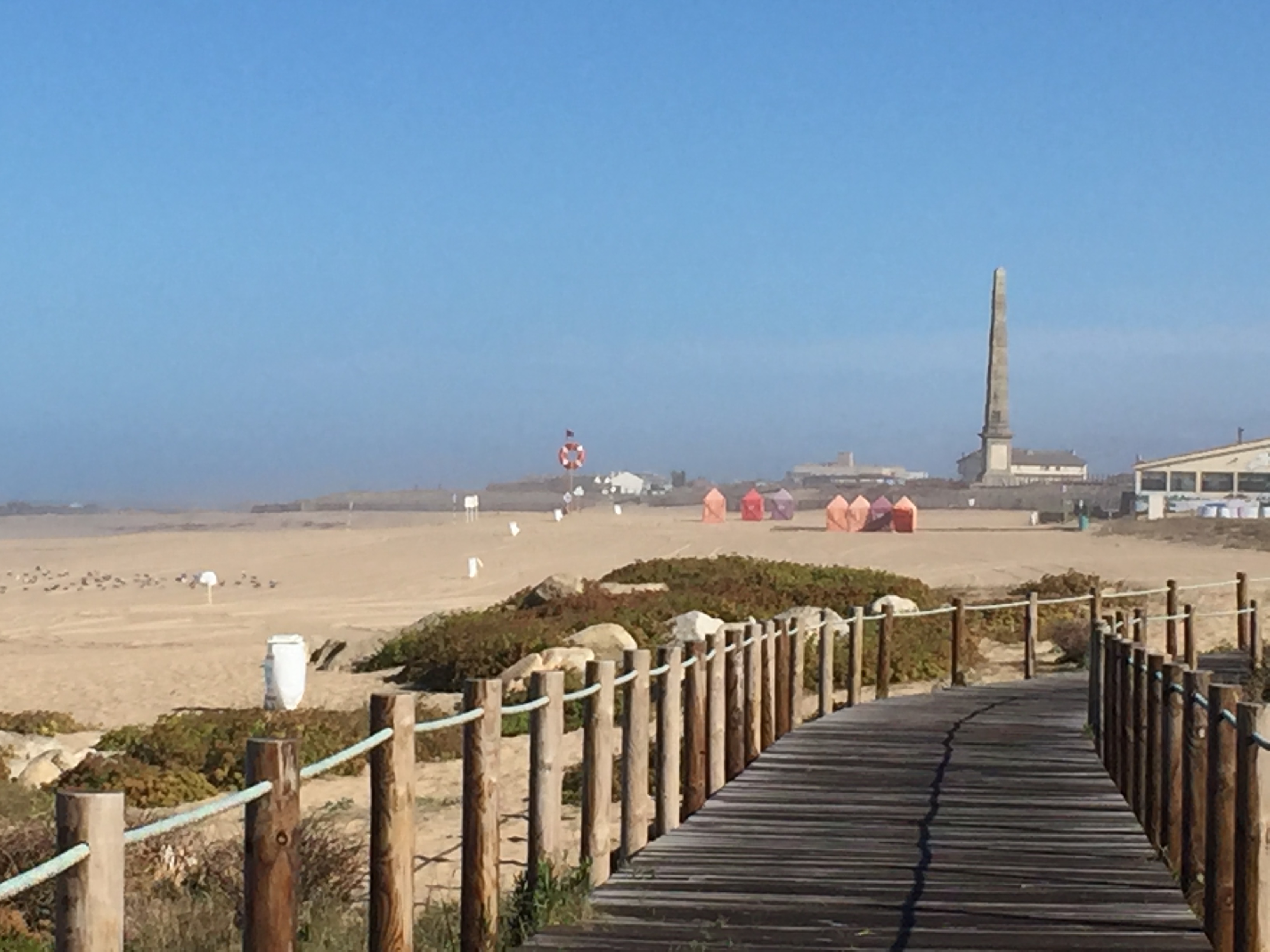
    After a brief period of city walking, where C seemed unscathed by the first fall of the Camino, boardwalks were our walking surface for the first third of the way:

    Image

    We defied our rule of the prior Camino regarding rest stops and didn't pause for lunch until 15k's had passed. Part of the issue was no place to stop. Even with food in our packs, when the beautiful boardwalks came to an end we spent a good deal of time on cobblestones through vegetable farms and deep mud, through eucalyptus forest and barnyards, an interesting combination of scents, but no place to sit.

    Three days in and physically we seem to be holding up. We're noticing aches in different spots than last year attributing them to entirely hard walking surfaces and the fact that the terrain has been flat. 

    The farther we go the more pilgrims we meet. Yesterday were three women from Slovakia and Belgium and a man from Scotland and today a group from BC and another from Olympia, Bellingham and Portland. 

    We have a decision to make in two days as we enter Spain. Continue up the coast or head inland and join the central route of the Camino Portugues. Stay tuned.


  • September 13: 17k

    The Portuguese route of the Camino does not follow the ocean, we chose to take the alternate coastal route. In doing so we've found it lacks some of the pilgrim infrastructure as it takes you through desirable vacation spots.

    No 10e three course meals with all the wine you want. You're more likely to pay 12e, but you're getting delicious grilled fresh fish, roasted potatoes and sautéed veggies. A decent bottle of wine is 11e at a restaurant and last night we found one bargain, a shared 4oz glass of Callem tawny port for 2e.

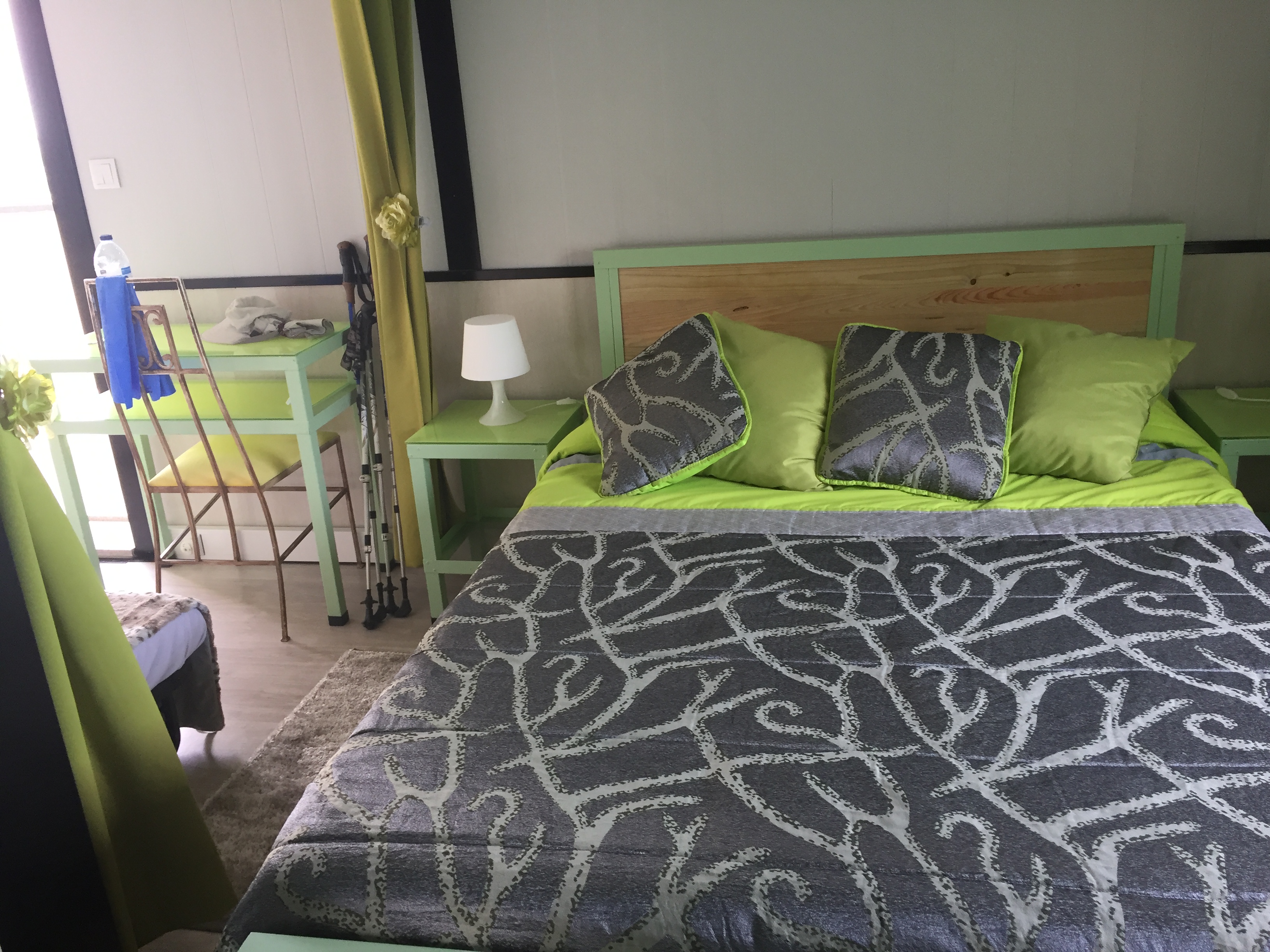
    Accommodation is about the same price as on the Camino Frances. Last night's was at Casa Velha, above a defunct restaurant, run by an older couple who were very proud of their little inn. Rightfully so, but the decorating was a matter of opinion. 

    Lime green was the colour du jour.  Even the bathroom sink matched.

    Image

    Didn't that colour used to be called peuss? An evocative name for a colour. 

    We left the balcony door open to hear the howl of the wind and stormy seas. In the morning, voila, sunny weather.

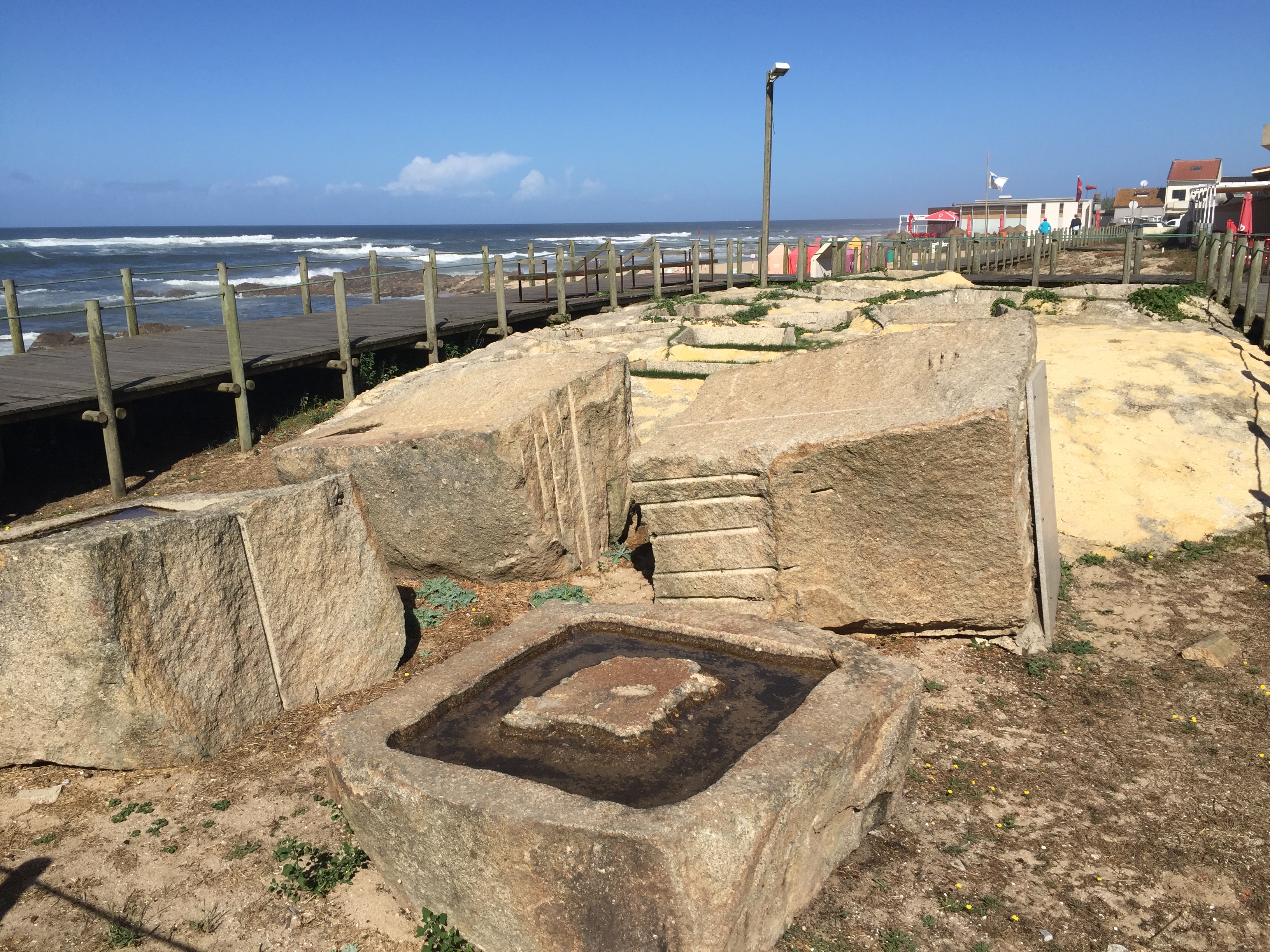
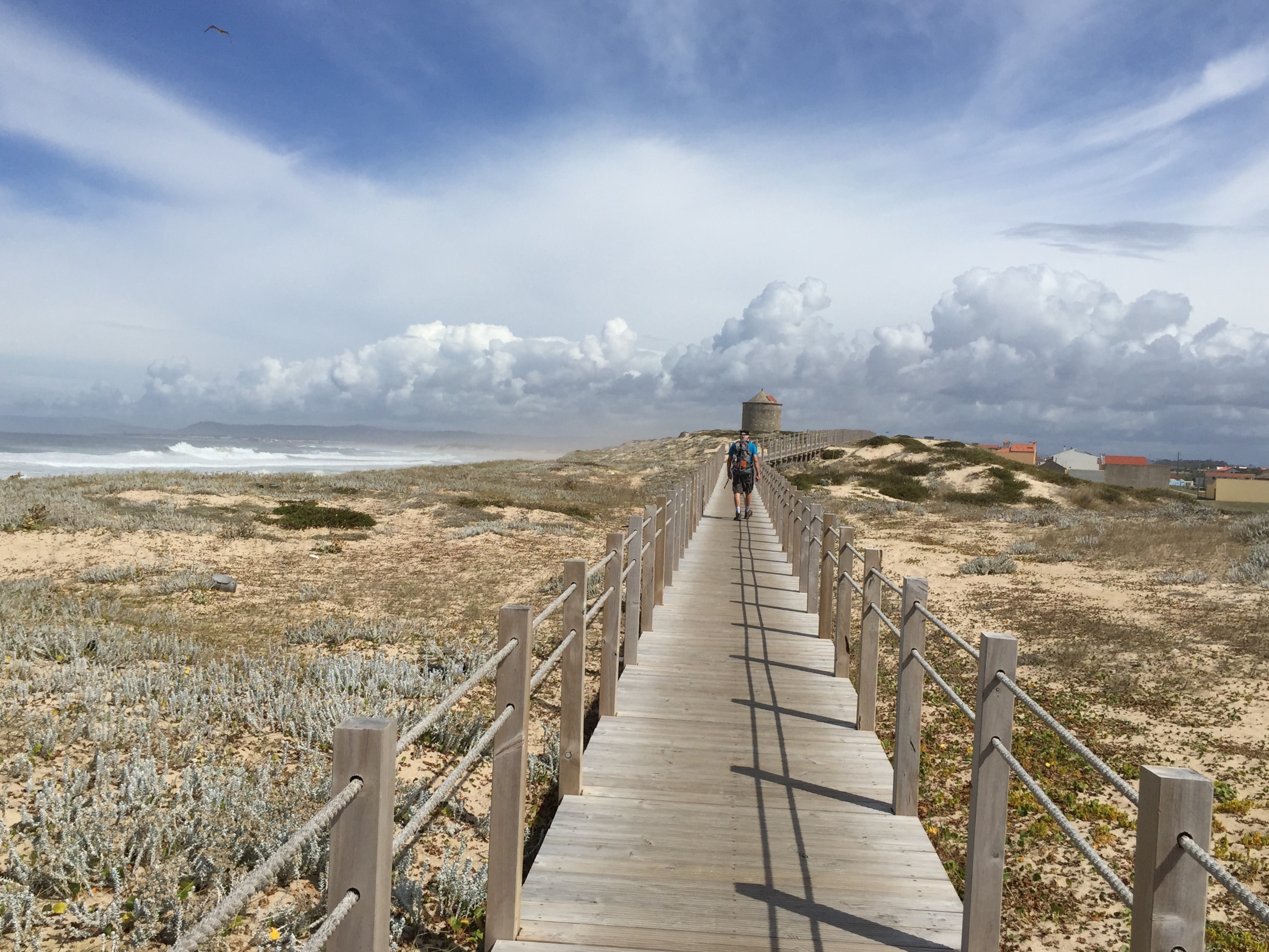
    Most of today's walking was on an extensive system of boardwalks. 

    Image

    Past Roman ruins of an area for preservation of fish with salt. Just like the bacalao (salt cod) they still serve in Portugal today.

    Image

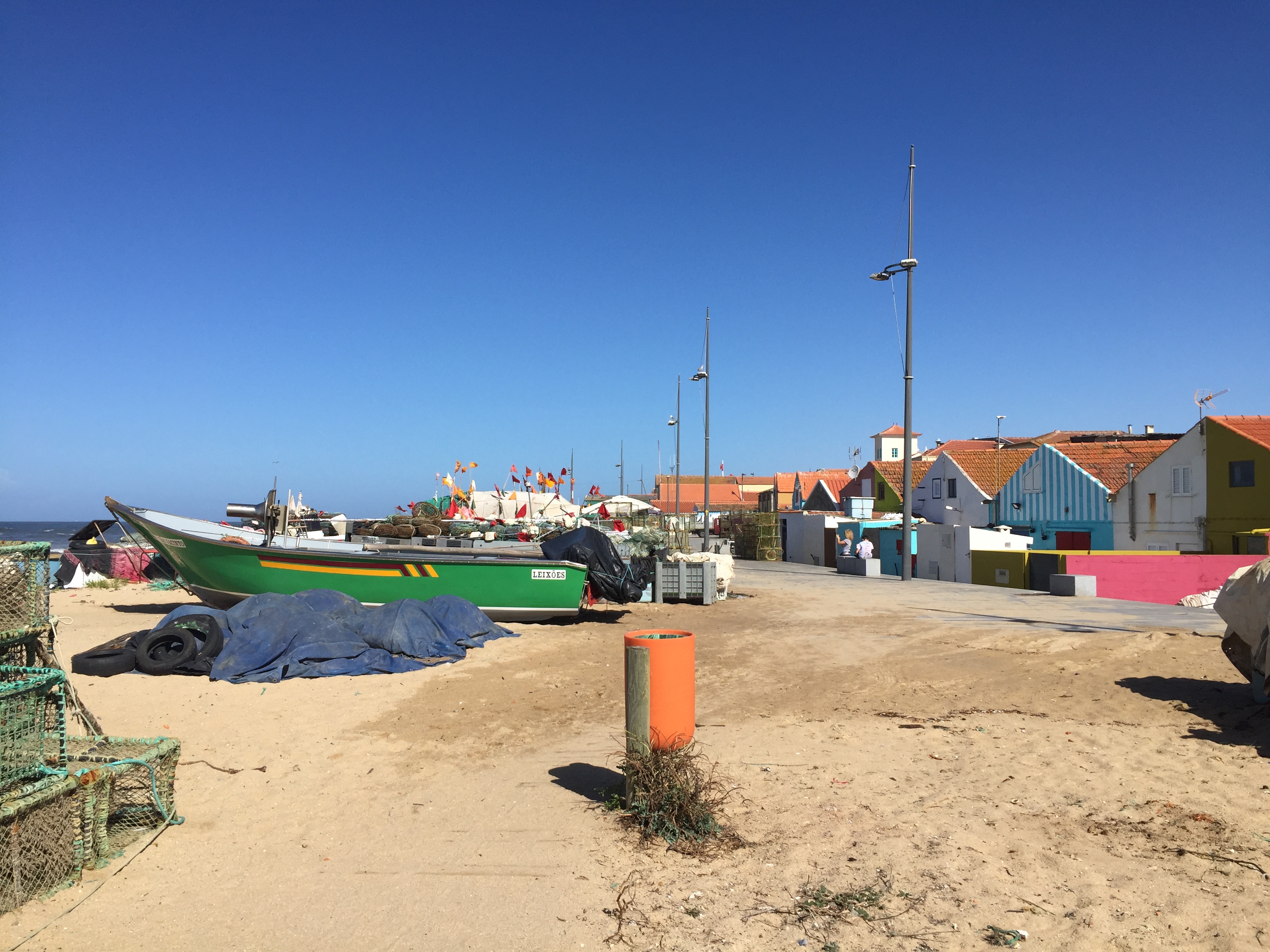
    Through two tiny fishing villages:

    Image

    Stopping for lunch in the dunes by the beach:

    Image

    We walked over the River Ave into the town of Vila do Conde, which we could see in the distance this morning. At the end of our block there is a 17th century aquaduct. There is a lot of history on the Camino still in existence today.

    Image

  • September 12: 18k – note: posts are delayed by a few days and pictures can be made larger by clicking on them.

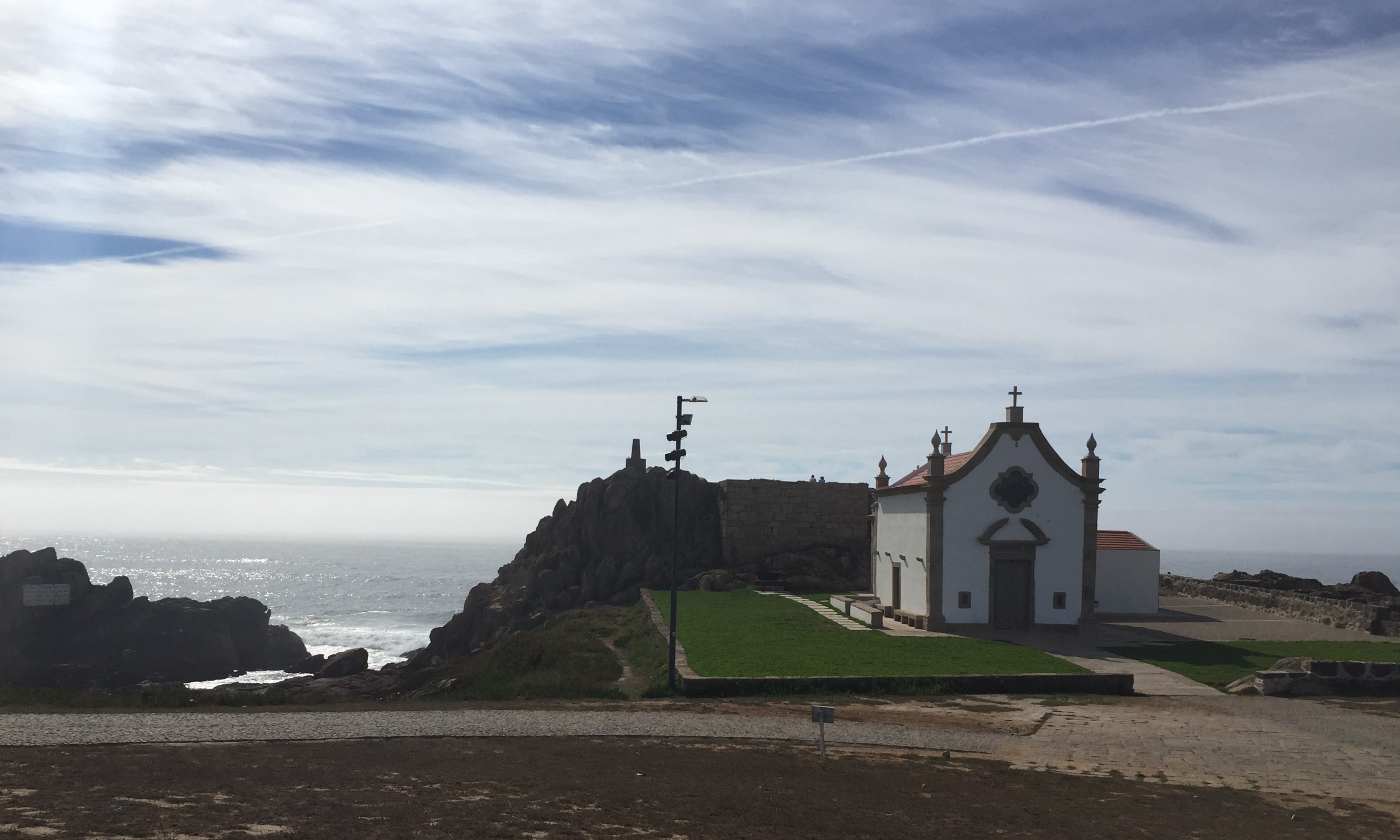
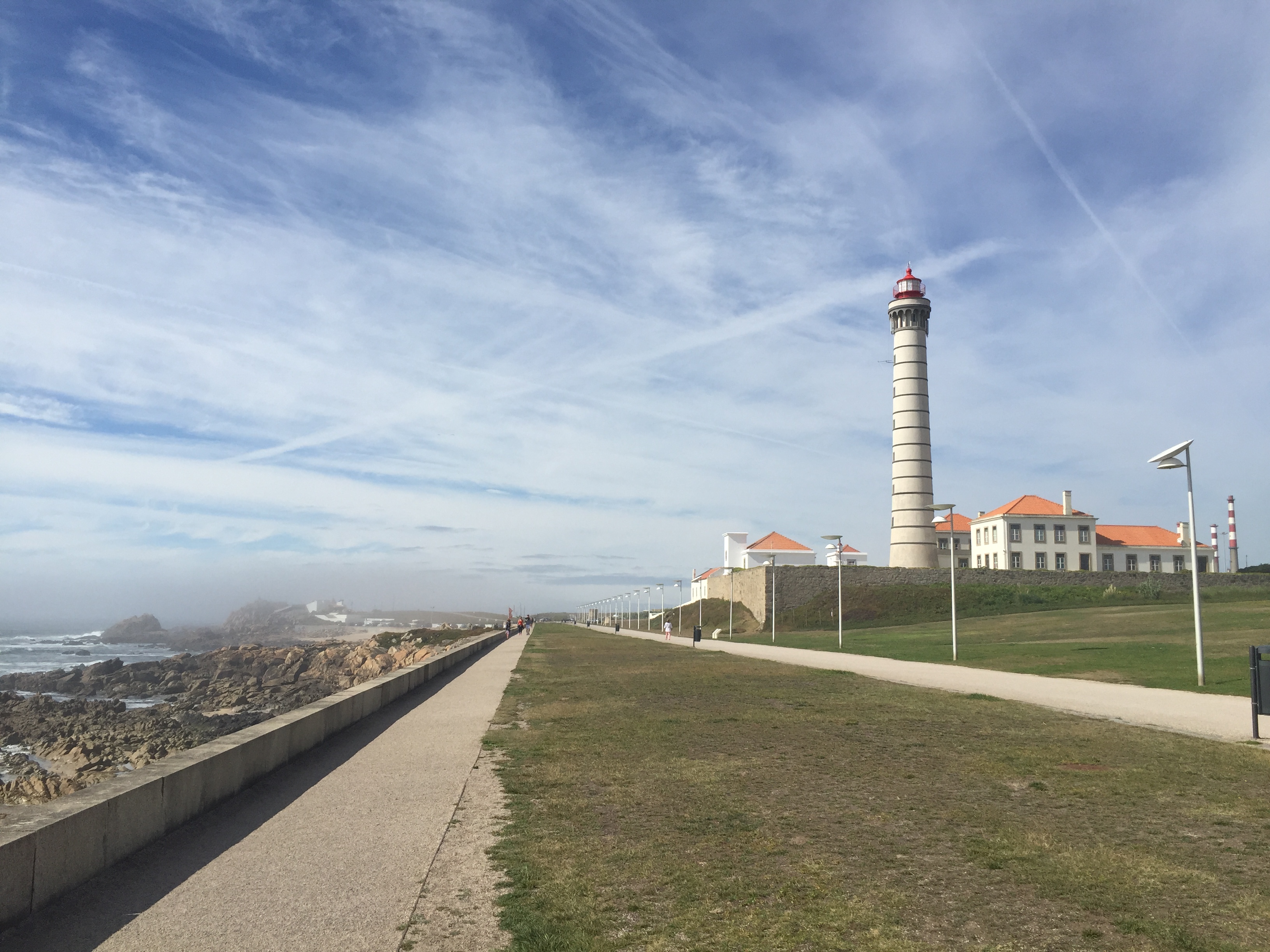
    It felt soooo good to be walking again. These lazy pilgrims didn't start until after 11:00. Ten minutes into it we heard an enthusiastic Buen Camino from two women on the top level of a hop on hop off bus. We walked with the River Douro on our left and took a right when we hit the ocean a bit over an hour into it. 

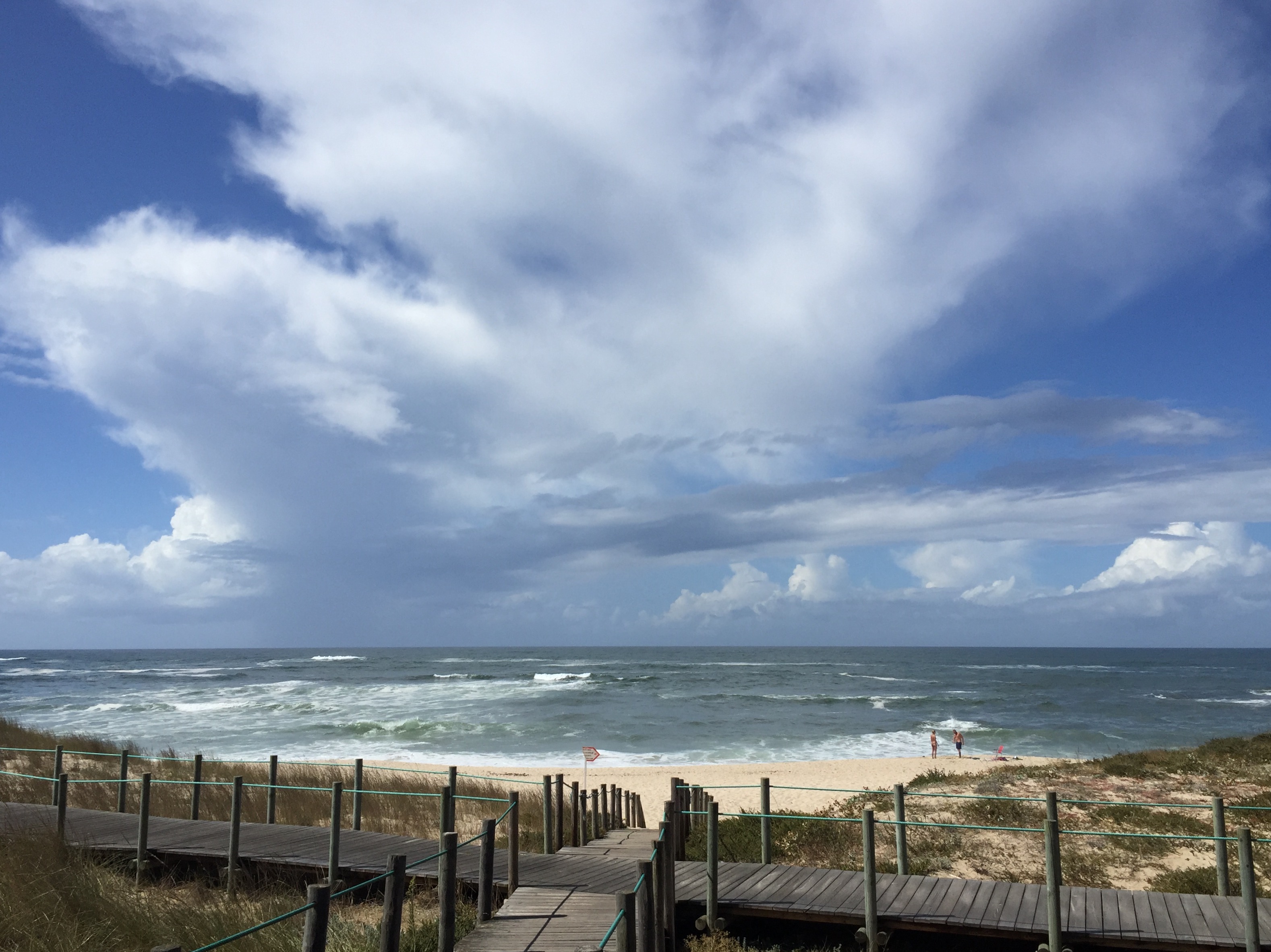
    The mist burned off while we enjoyed pizza and salad lunch on the beach. C got baptized, so to speak, by a swooping seagull. Fortunately the beach complex had lots of facilities for washing. They say it's good luck and every pilgrim could use some luck on their journey.

    Image

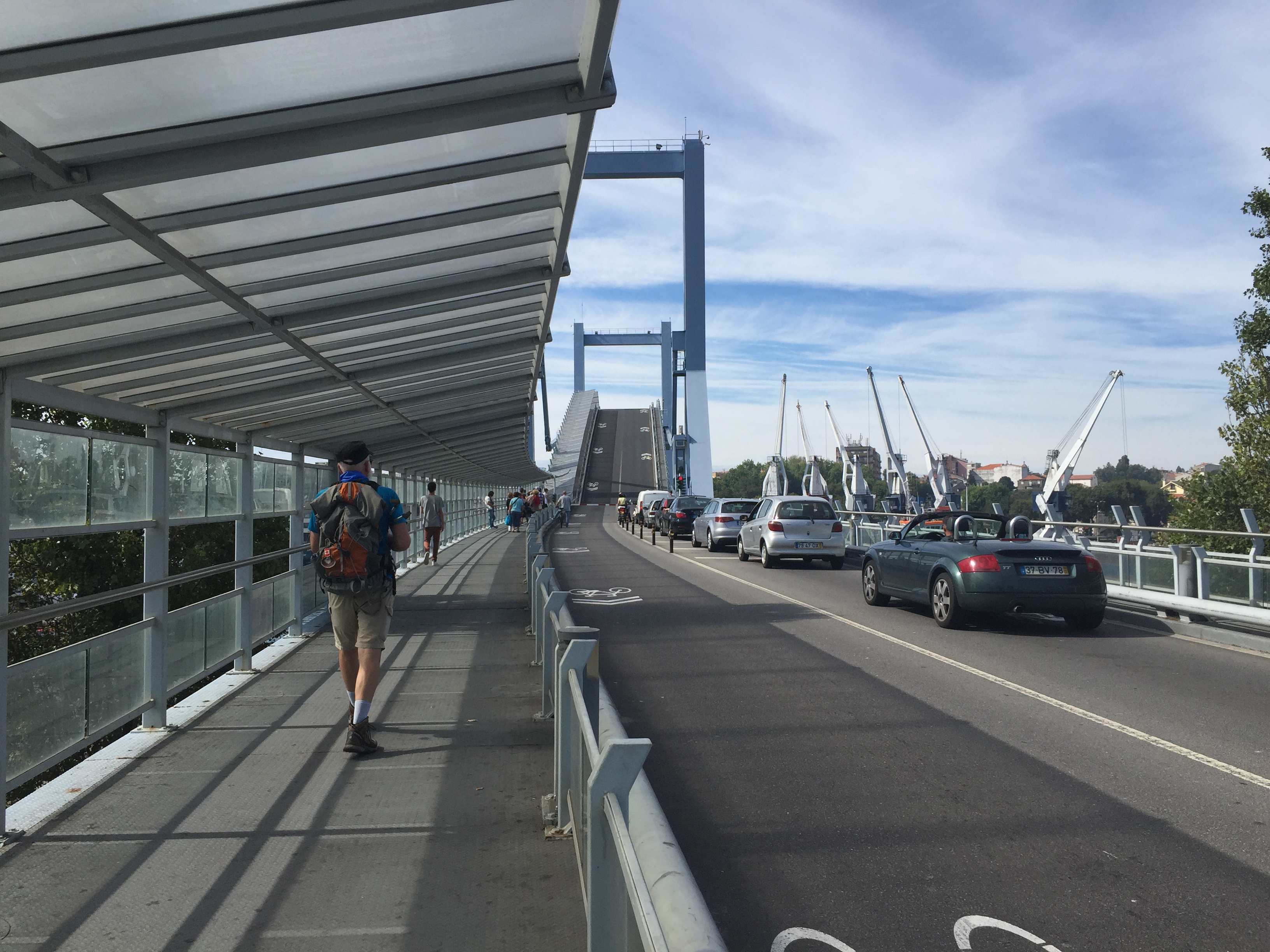
    We crossed over the draw bridge at Matosinhos.

    Image

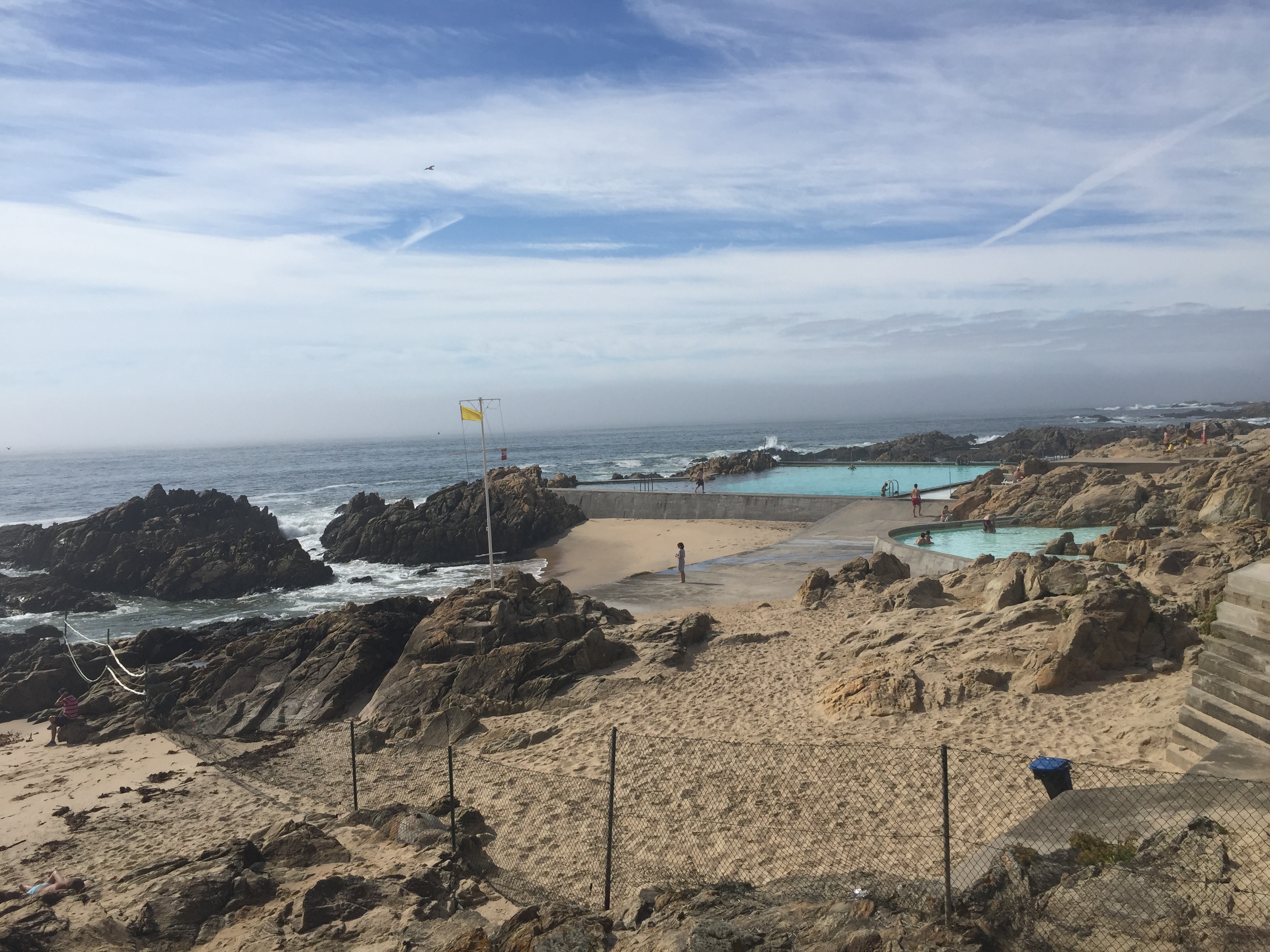
    A short stint through town put us at the beach again. This salt water pool looked so inviting, but there are no swimsuits in our packs, not worth the weight for their occasional use.

    Image

    Image

    The constant roar of the surf was different from last year's clinking of cowbells on the mountainside.

    Image

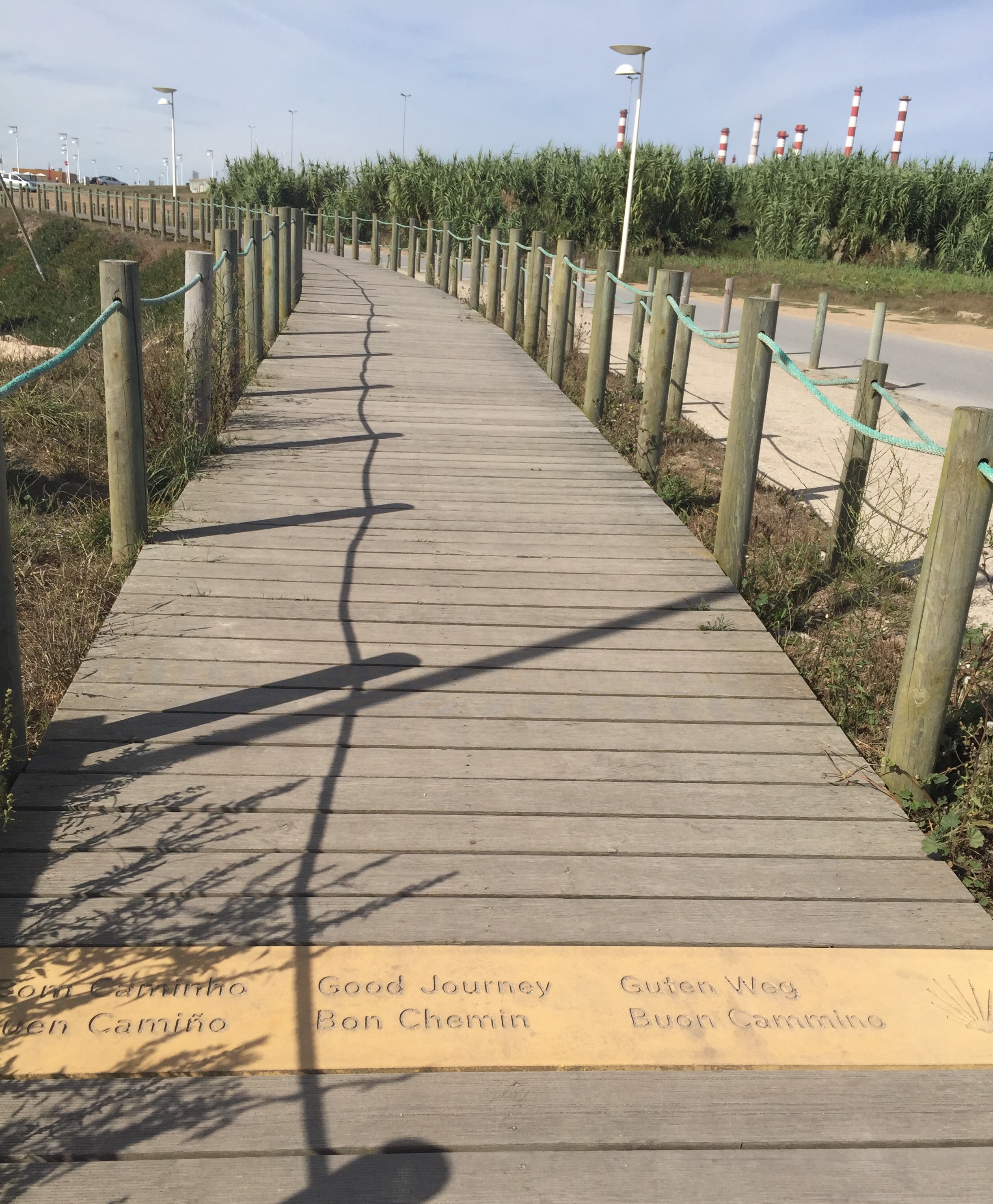
    Our last three kilometres were on a boardwalk, where we ended our day of walking, just as we began, with wishes for a Buen Camino.

    Image


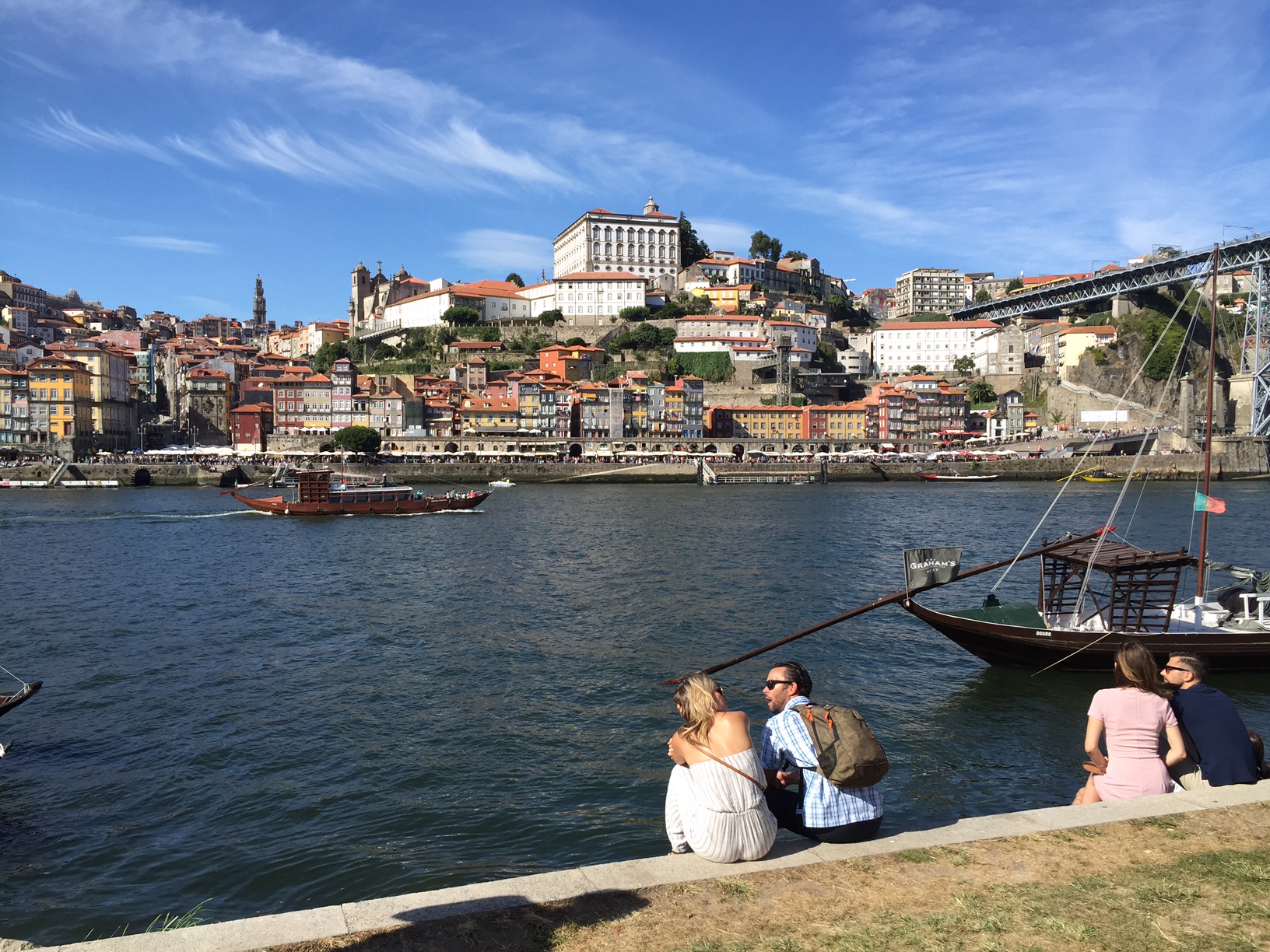
  • Porto is a charming city of 235,000, but if you count the metro region it has a population of 1.5 million. Although it attracts throngs of tourists, it's worth a visit. Still on vacation we ate our way and drank good wine through the historic areas of town. 

    Image

    We stayed in the highly recommended "Trendy Oporto Apartments," about a 12 minute walk to the Cathedral, where we obtained our pilgrim passports and located the first arrows of the Camino. 

    Image
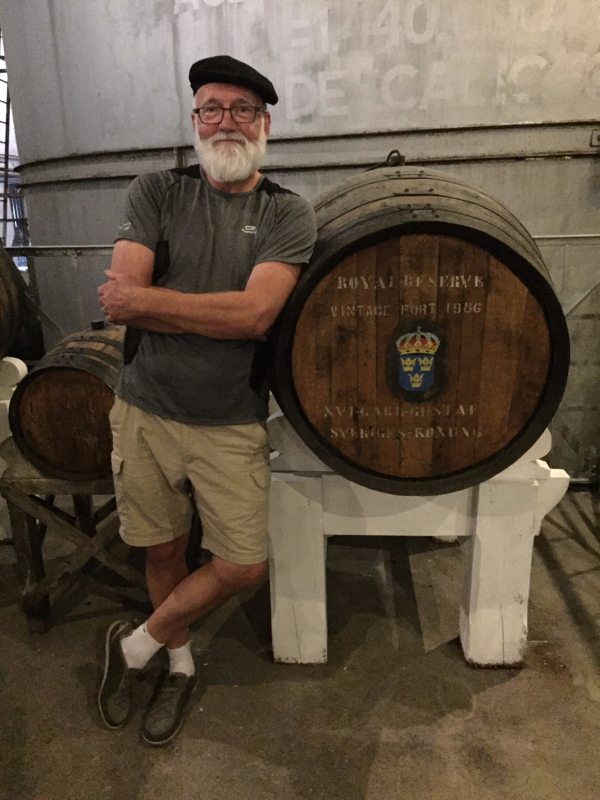
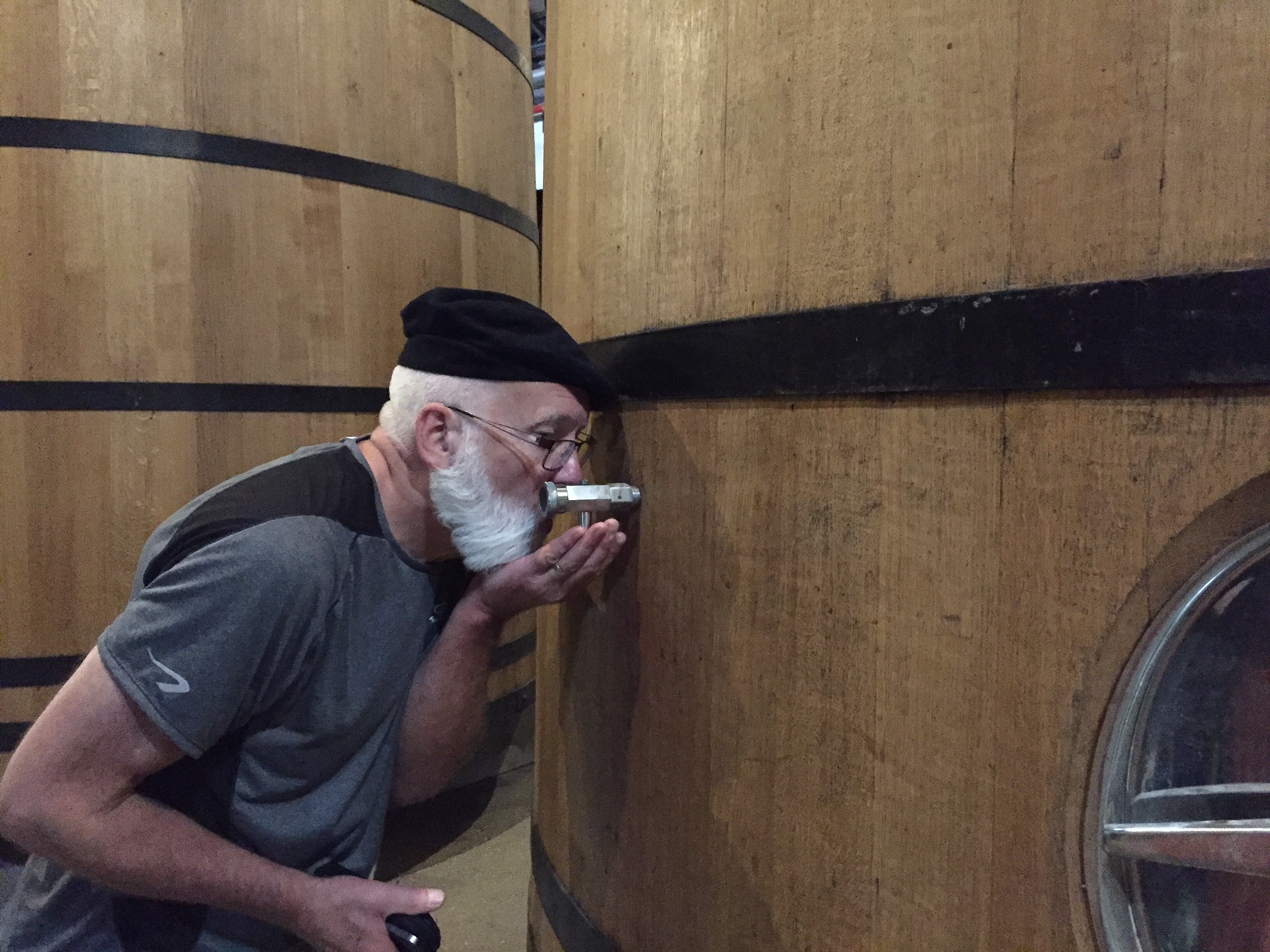
     C was in his element touring two port caves, one better than the other. The Callem cave is supposedly the only Portugeuse founded brand, and their product is excellent. Then we visited the Real Companhia Velha caves, founded in the 1700's, also Portugeuse owned. 

    Image

    Image

    He still sports his Hemmingway persona from last year's Camino, wearing the winter liner from my Dad's WW2 navy hat. It would have been perfect in Basque Country last September.

    I judge port by its flavour and character as well as headache potential and Callem was high on the first two qualities with no after effects. Mind you, we were given a limited amount of 3-4 ounces at each winery. RCV, on the other hand, rated lower on the first two and for me, had a higher headache factor. One difference bwtween the two is that RCV's grapes are totally crushed by human feet rather than machine. Coincidence? This is written for Blogless Marsha, who given her limited, but negative history with port wine, would never cross the threshold of a port tasting room. Hmmm, maybe grape crushing technique makes the difference,

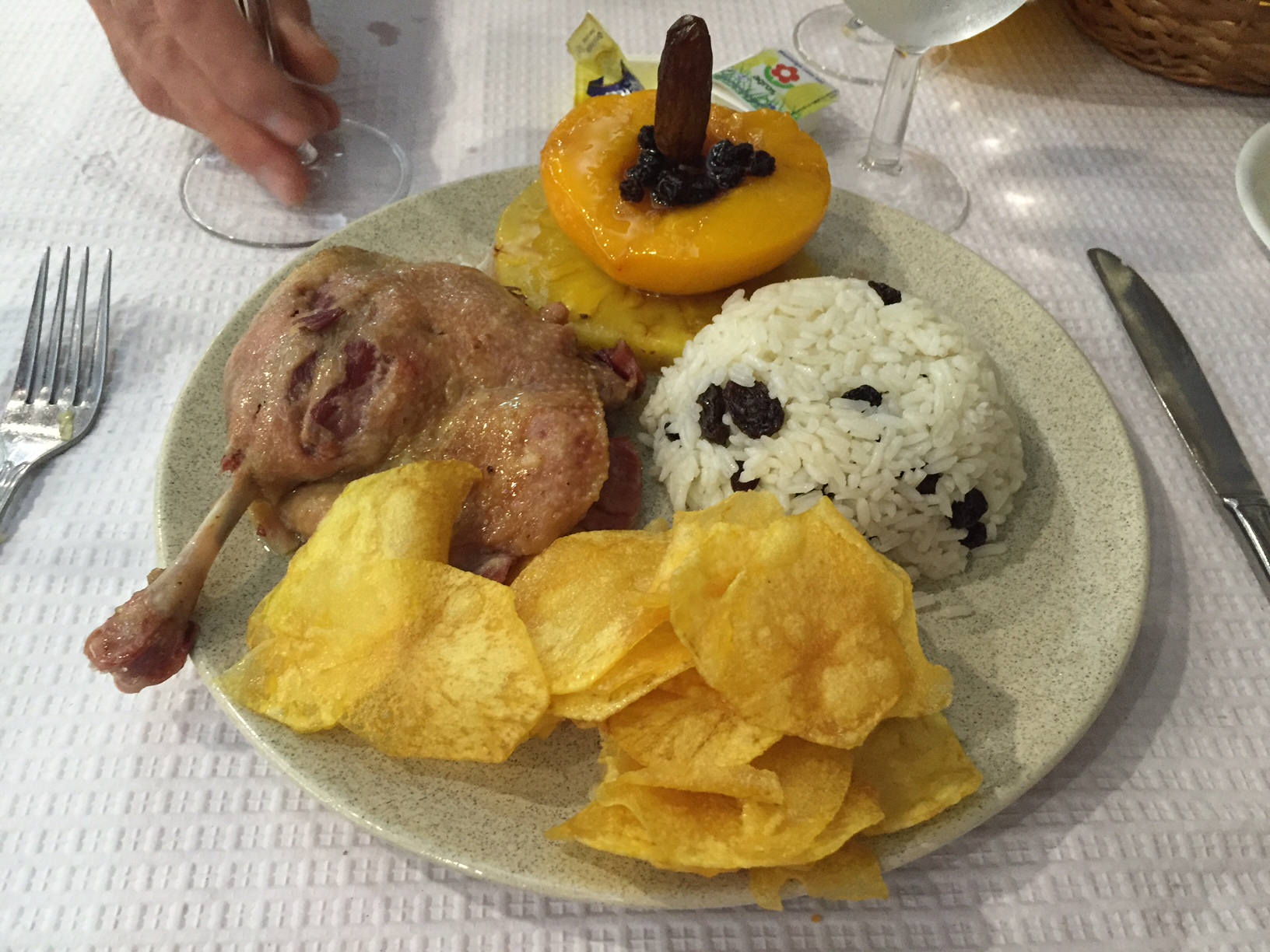
    We have a tendency, when spending multiple nights in a city, to patronize a good restaurant on more than one occasion rather than take our chances on others. This time it was Estrela de Orient. After a long day and approaching the hangry stage, we saw what we thought was a Chinese restaurant. Appearing to be family run, the menu was not what we were expecting, definitely more  Portugeuse in style. We feasted on duck leg with fire roasted fruit for the bargain price of e9.50.

    Image

    Back we went for takeaway the next night, then to be disappointed when they were closed the third evening. I guess they deserve a well earned night off. 

    We agree that we are now ready end our stint as tourists and begin the pilgrim phase.


  • Serra de Santo Antonio, though a tiny village (population 750), was perched within an hour of the ocean and lots of history, thanks to our car rental, a Renault Captur:

    Image
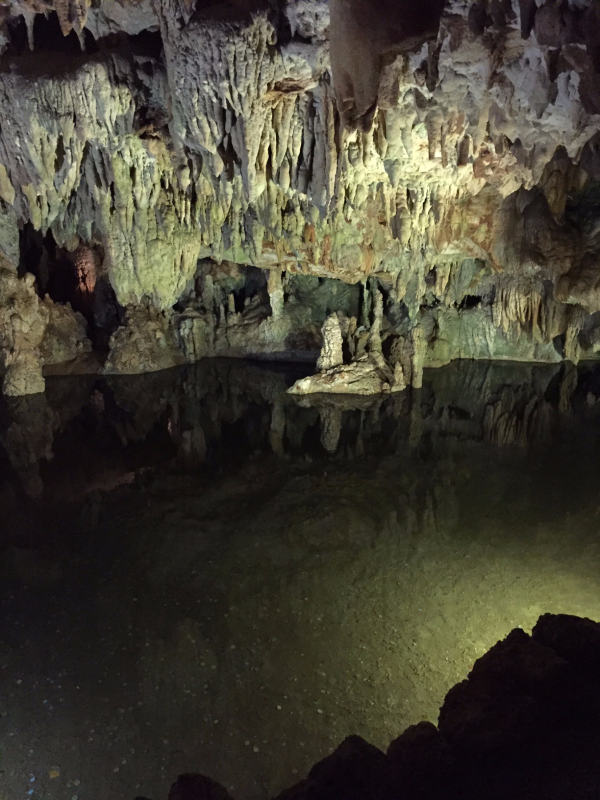
     The town itself is famous for its caves, discovered in 1955  by a boy chasing a bird.

    Image

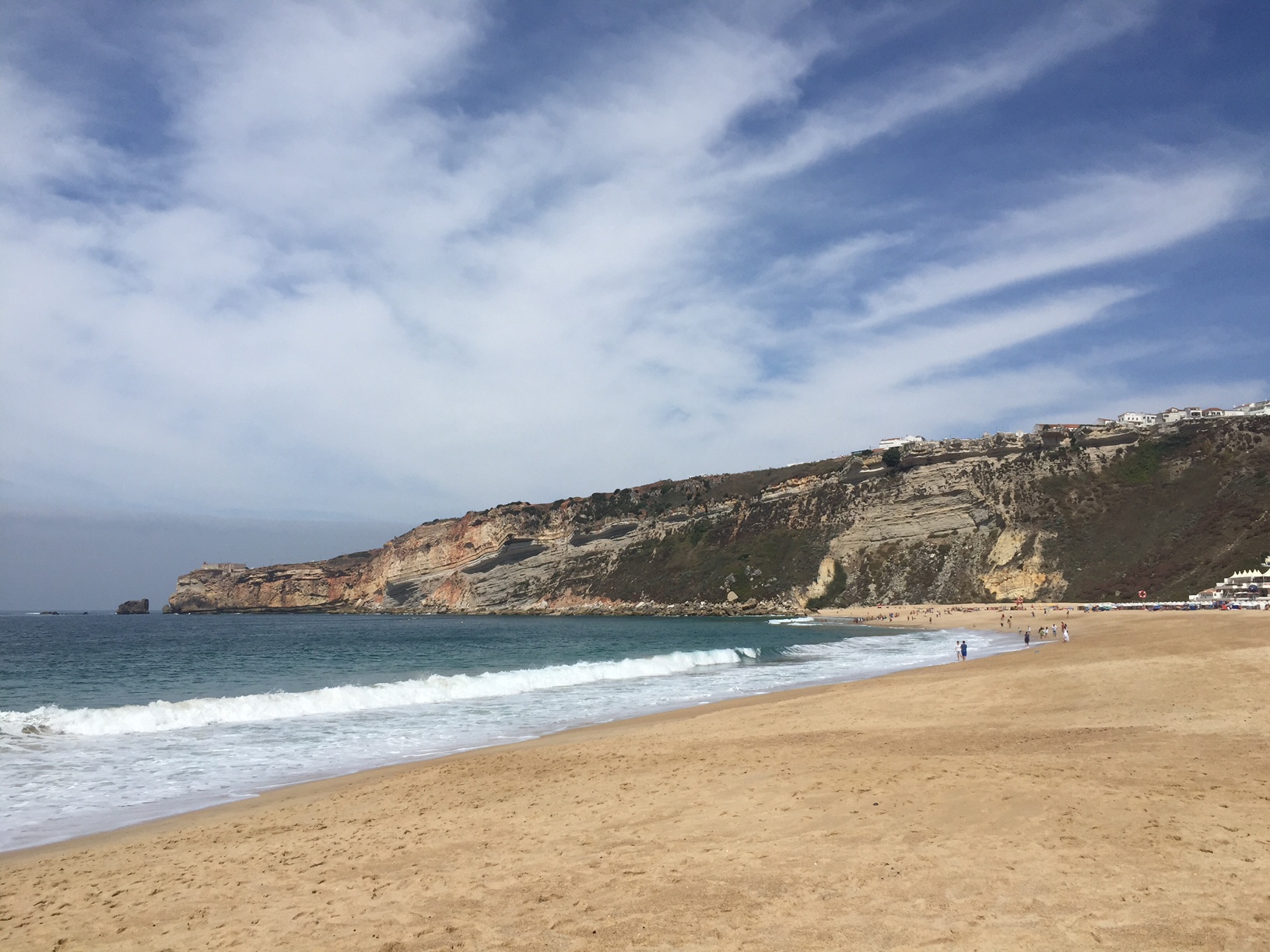
    We drove an hour eastward to the beautiful beach village of Nazare, famous for seafood, and due to an underwater canyon, world records in surfing.

    Image

    Nazare gave us  the opportunity to dine on the percebes, AKA  goose barnacles, that I raved about last year. There is a culinary competition between Spain and Portugal as to whose are the best. Well, they were good in Portugal, but served cold. We eventually learned, after finishing the entire plateful, that we were eating them raw. Got to say, I prefer them warmed accompanied with garlic butter.

    Image

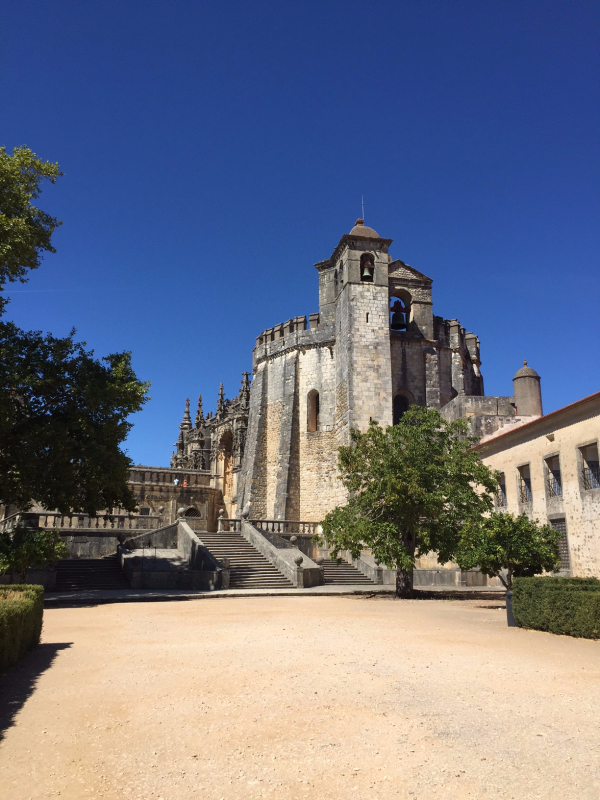
    To the west we we visited Tomar, home to the Convento de Christo, a castle built by the Knights Templar in the 12th century.

    Image

    Big thanks to our friends Lynn and Dennis for arranging the house in Serra de San Antonio and their guidance in the must do category. 

    The next day we boarded a bus to Porto for the last part of our Portuguese vacation before we begin our Camino pilgrimage. Booking busses early allows you to pick your seat and several times we've been lucky to get the first two seats on the right side for great views. This time I discovered the views include more than the scenery. Generally the European bus drivers present as professionals who take their jobs seriously. This particular driver appeared dozy and at one point was texting while driving. I was glad to arrive safely in Porto.


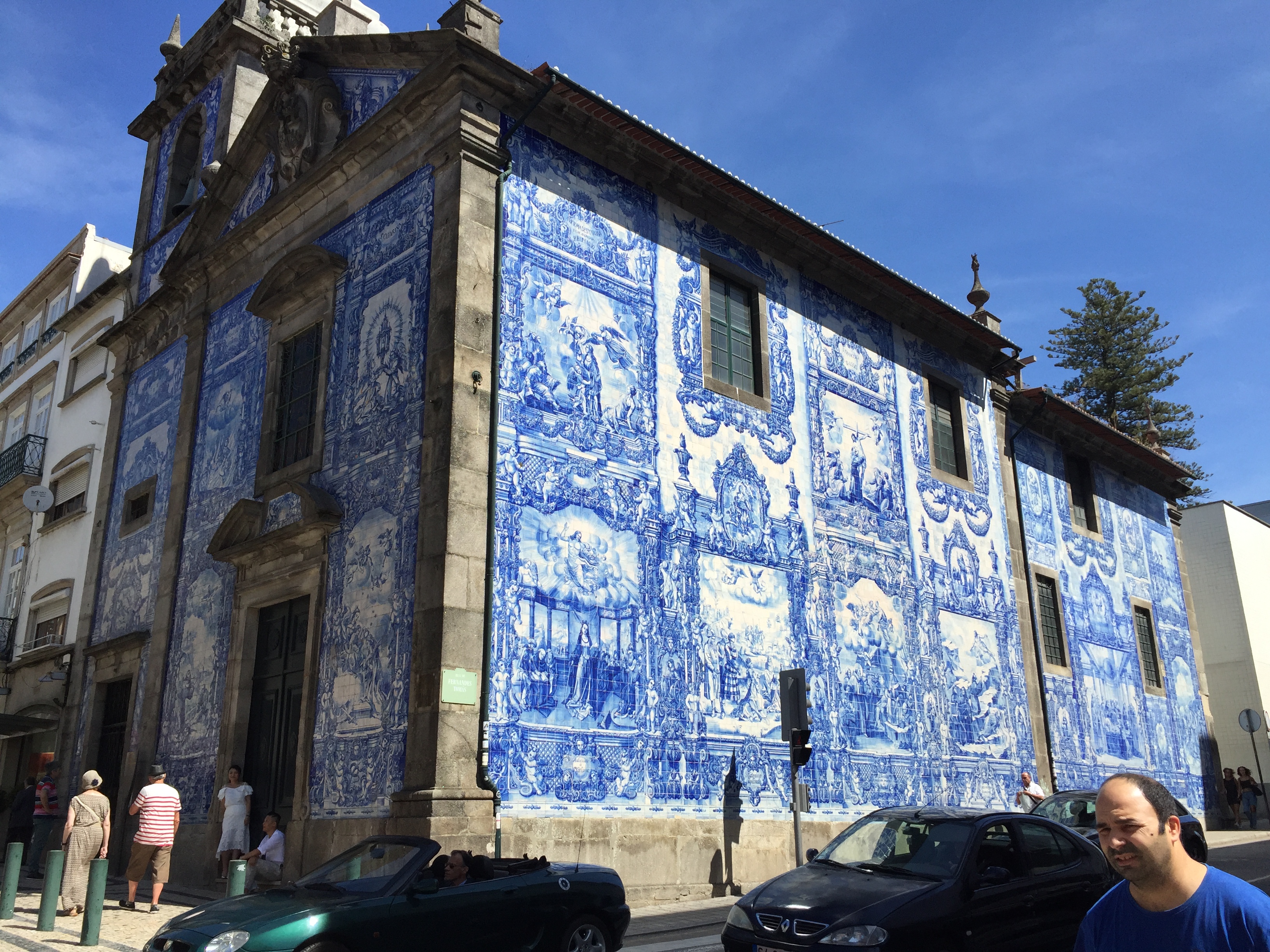
  • The packed red eye flight out of Toronto put us in Lisbon, the oldest European city, even older than Rome. A charming touch are the buildings sided in hand painted ceramic tile, many intact over centuries. I wonder why North America hasn't adopted this building material rather than siding that needs eventual replacing. I remember seeing undamaged ceramic tile in the Roman Forum, a testament to its durability. I guess we've taken it a step closer at home with the popularity of fibre cement boards. Not quite the same charm factor, though if it were on my house, I'd probably choose a solid colour, but that would have looked out of place hundreds of years ago. This church, actually in Porto, is an extreme example:

    Image

    These are the houses outside our window in Porto:

    Image

    Those first 24 hours were spent in a haze of heat (102F/39C) and jetlag. Glad we had visited Lisbon before and seen the sights, as this time was just a stopover.

    Stop two was Fatima, on our way to tiny Serra Santo Antonio, where we stayed in the house of a friend's mother, located on the fringe of a national forest. 

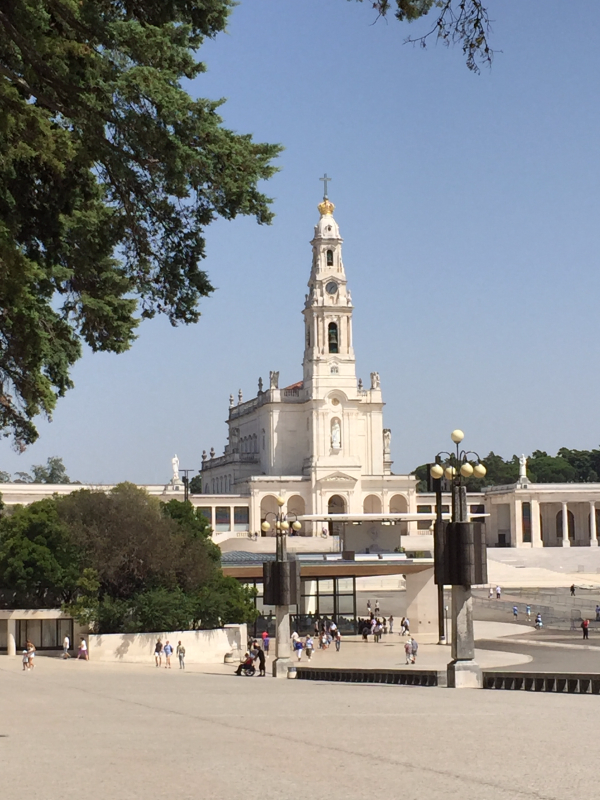
    The shrine on Fatima is the location of a series of apparitions of Mary, the mother of Jesus, to three local children in the 1920's. The story is complicated, but the actual site, home of the documented miracles, is a place of emotion and deep faith.

    Image

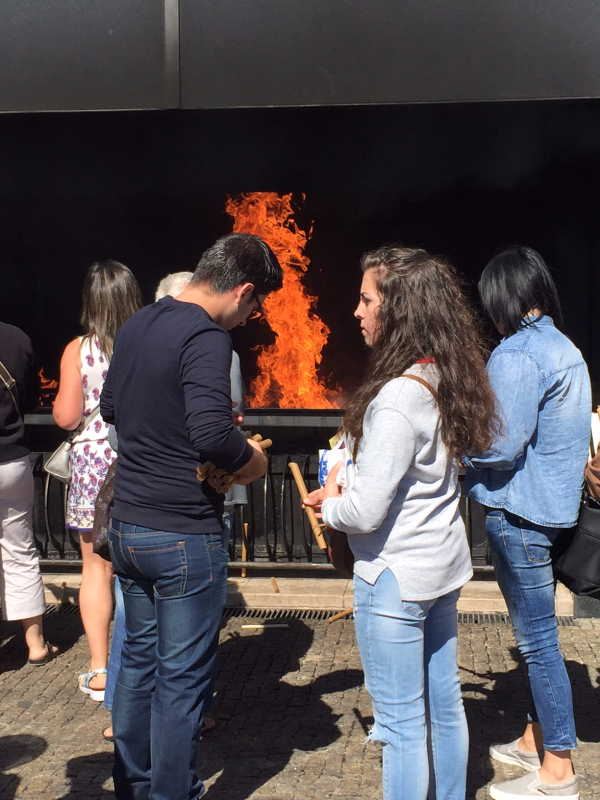
    The town of Fatima thrives on the vast site of the shrine, which includes three large churches, the chapel of the apparition and a huge enclosed fireplace where people place candles or wax figures in hopes of their own miracle, healing or as an act of thanks. Outside the gates you can buy many forms of wax figurine or body part. 

    Image

    Image

    Although the endpoint for Fatima pilgrims, it was a perfect spot to begin the contemplation in preparation of a second pilgrimage on the Camino de Santiago. The first mass I attended included a pilgrim blessing, although in Portuguese, it was a nice way to begin this journey. 

  • With limited wifi access, I'm writing with the intention of posting when internet is available, please excuse the delay. This was written on September 4th:

    We sorted, disposed of, or packed everything we owned. We boxed most of our lives into storage jokingly agreeing to be nice to each other because a packed up house and money in the bank might provide an easy exit strategy for those so inclined.

    "Camping" for a few nights in our crumbling and leaky new home, it took a total of three hours to come to the realization that it was worth the effort to land in the town of our long shared dreams. A walk score of 92, most everything we need can be found on foot with far fewer rainy days than in the rain forest location of our previous neighbourhood.

    We celebrated with friends, inviting them to view the "before" house. And now, on a soon to be demolished water stained wall, hang our floor plans, the collaborative effort of our naive ideals and realistic but accommodating and very talented local builder and designer. 

    So, to put an end to the madness of moving, I'm writing this while flying over the Atlantic to hopefully complete our second route on the Camino de Santiago. All the stress of the past months assuaged by the opportunity for another pilgrimage of gratitude. 

  • As soon as you seal a box another item will appear that belongs in said box. Wait for me, wait for me, says the reference book, I don't want to go into storage with the kid's books.

    After the garbage is collected, the one with that bin that holds a beloved children's book missing a few pages, those pages will reappear, neatly stapled together having waited years to join their book. Oopsie.

    And immediately after the Big Brothers donation truck comes to pick up reuseable items, stuff appears to fill another half dozen cartons.

    I've kept U Haul in business. I found a receipt, dated in March, for packing boxes. Have I really been doing this for six months? A major move goes through phases: in the first you methodically sort like items for packing. By the end you shove anything together into the same box, only requirement being that they fit. We're also at the end eating-wise, dinner is carry out, salad from a bag, or fast food. Every night.

    I remind myself this is the privilege of the first world. An embarrassment of riches. A 24kt problem. I remember the book, Material World: a Global Family Portrait, that featured photographs of families from over the world, standing outside their dwelling with all their possessions. That was an eye-opener. I have no room to complain, this  being culturally and self inflicted.

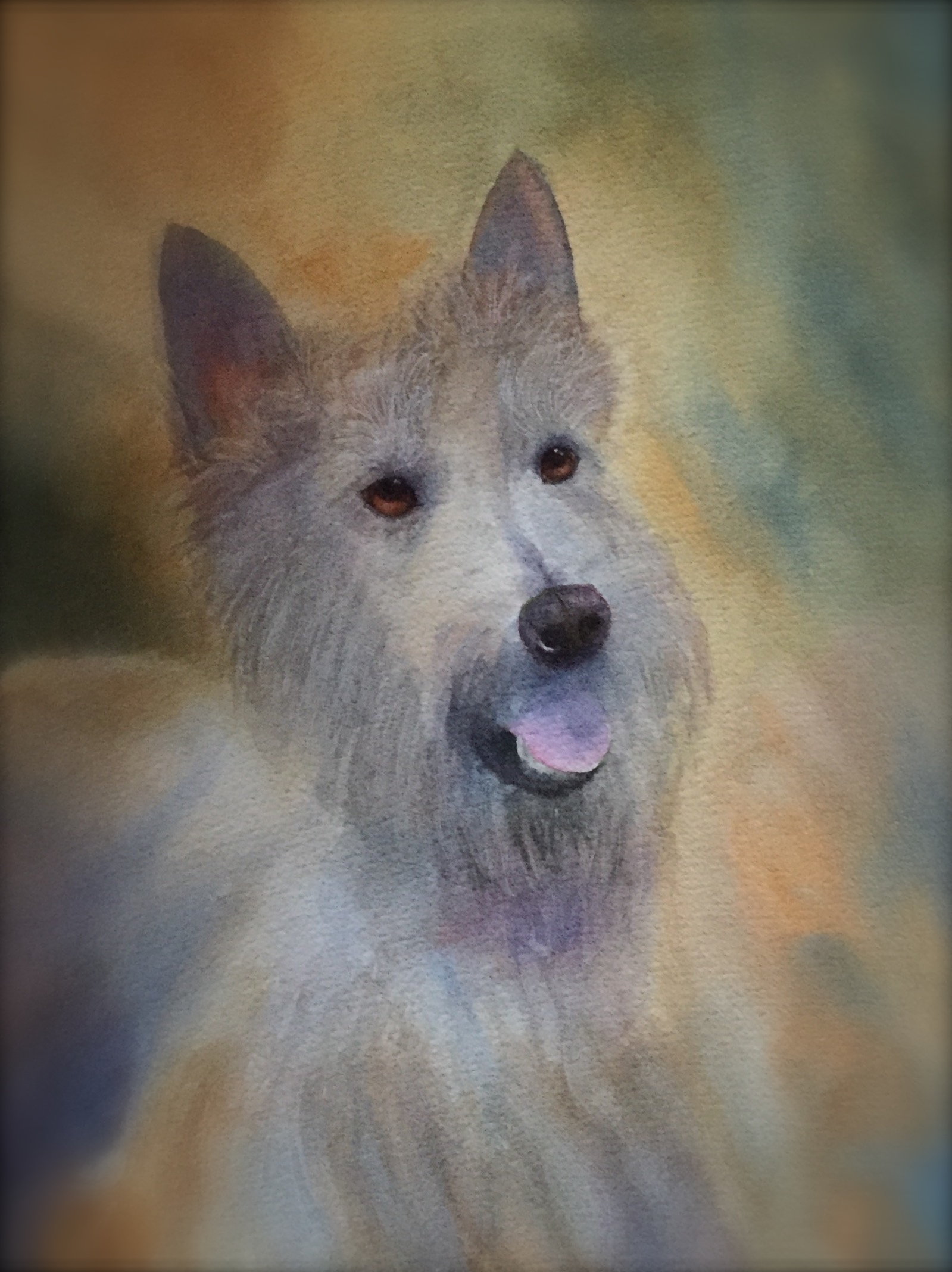
    Today I packed up the art supplies, a small amount to accompany me in our next 18 months of drifting. This is the last painting I finished, a portrait of dear Ms. Gracee. We had many good times in this house. 

    FullSizeRender (19)


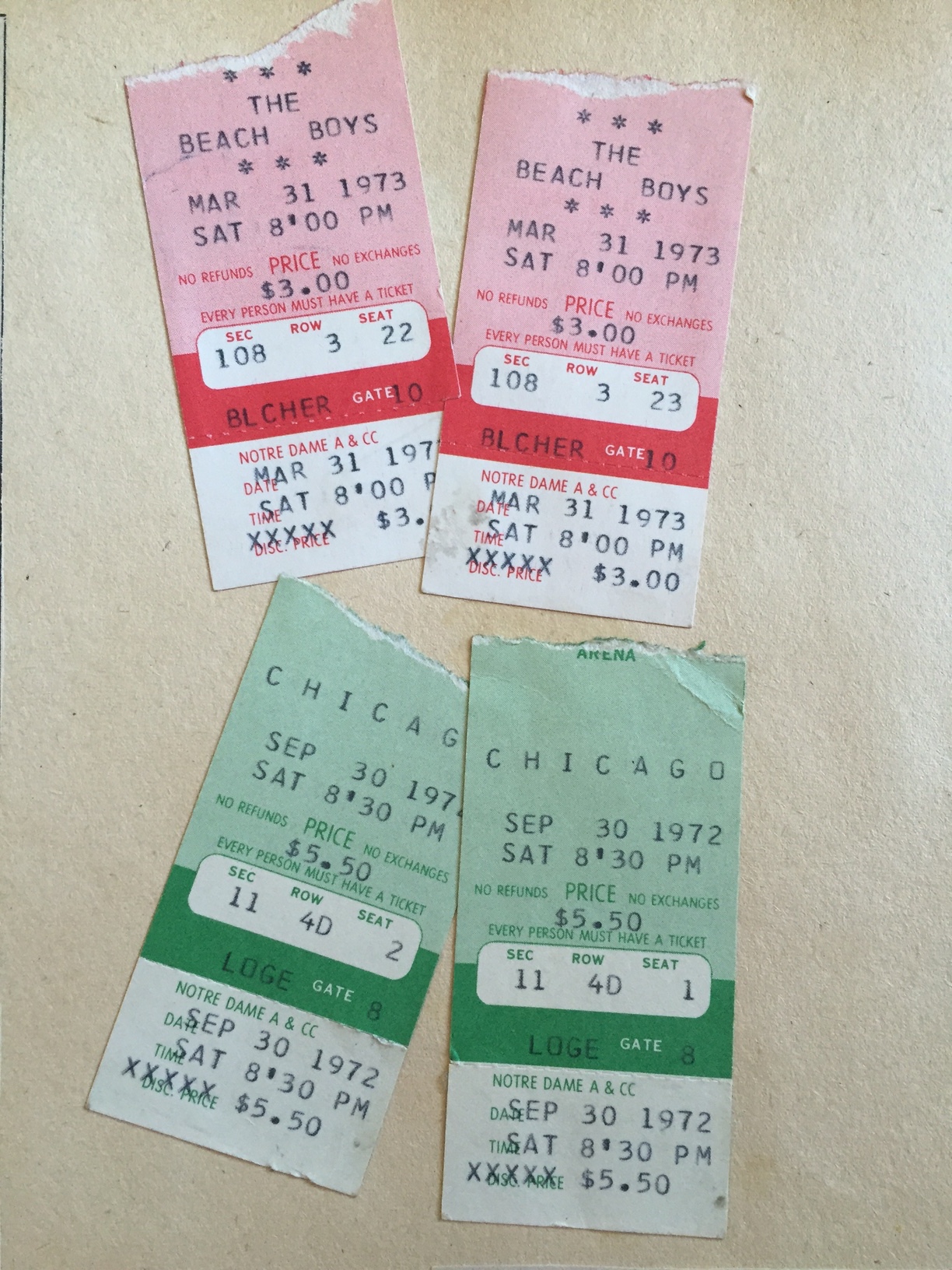
  • The majority of our possessions are going into a shipping container for at least 18 months, while our "new" house is waiting for permits prior to being rebuilt requiring a huge amount of stuff sorting. For me the items that are hardest to leave behind are made of paper: photos, letters, invitations, announcements, tickets, programs, the kid's artwork, my newspaper columns, certificates and diplomas… These minuscule pieces of paper, toted along for over 40 years and now in the trash, gave us an moment of entertainment particularly in regard to the pricing:

    IMG_7715

     Two things have aided in this monumental task:

    1. I allowed myself a treasure chest, a rubbermaid container that I can fill with whatever items of paper deemed keepable.
    2. Take a picture: some things are easier to get rid of if I take a photo prior to discarding.

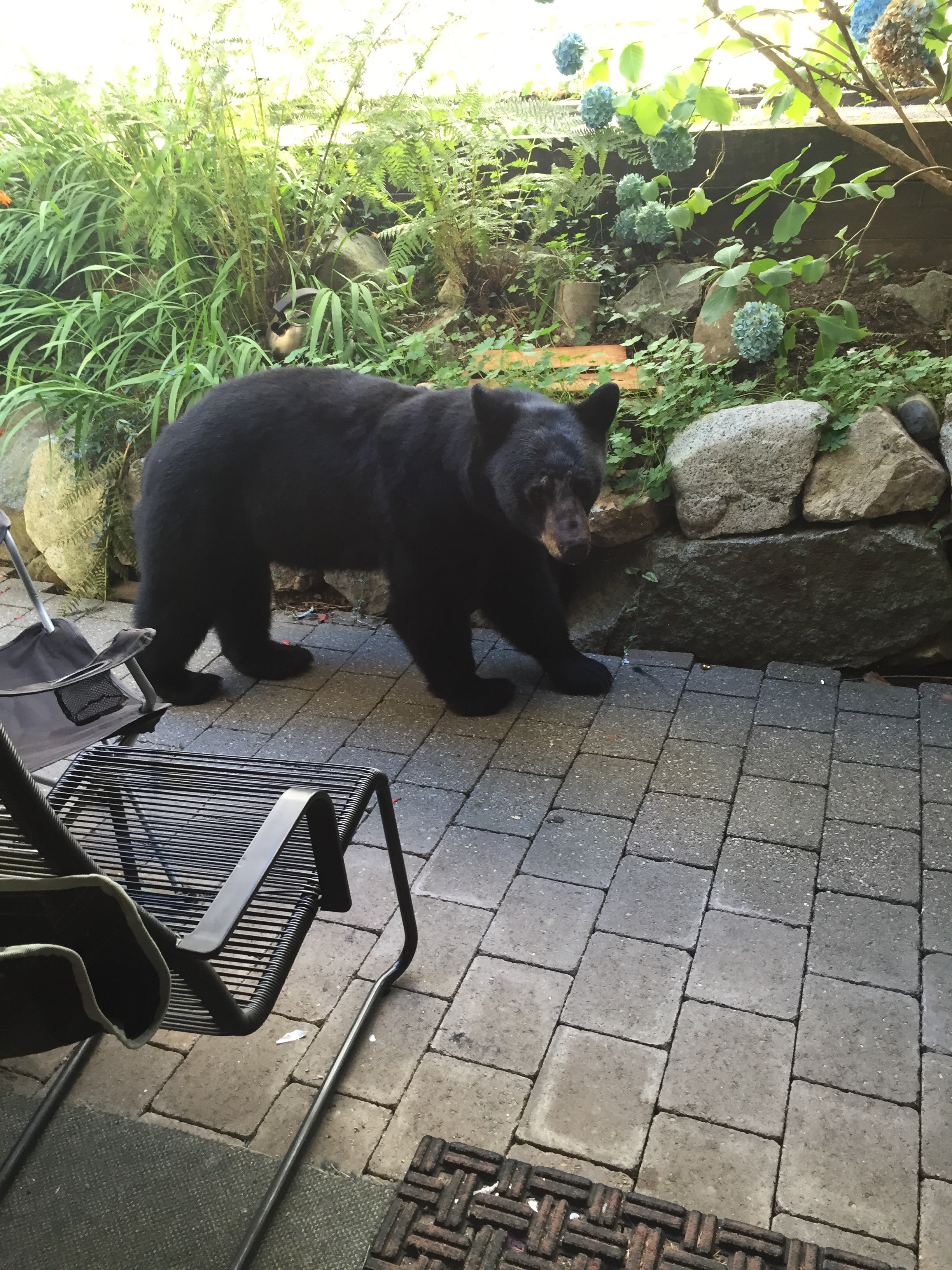
    Here's someone we're leaving behind:  IMG_7630
    C had warned me that there was a bear wandering around. I had my phone for an impromptu photo just in case, but I didn't expect to meet him so up close and personal when I went out the front door. He wasn't interested in me, but I could see and smell his breath while he lumbered past, down our walk and up into the neighbour's yard. 

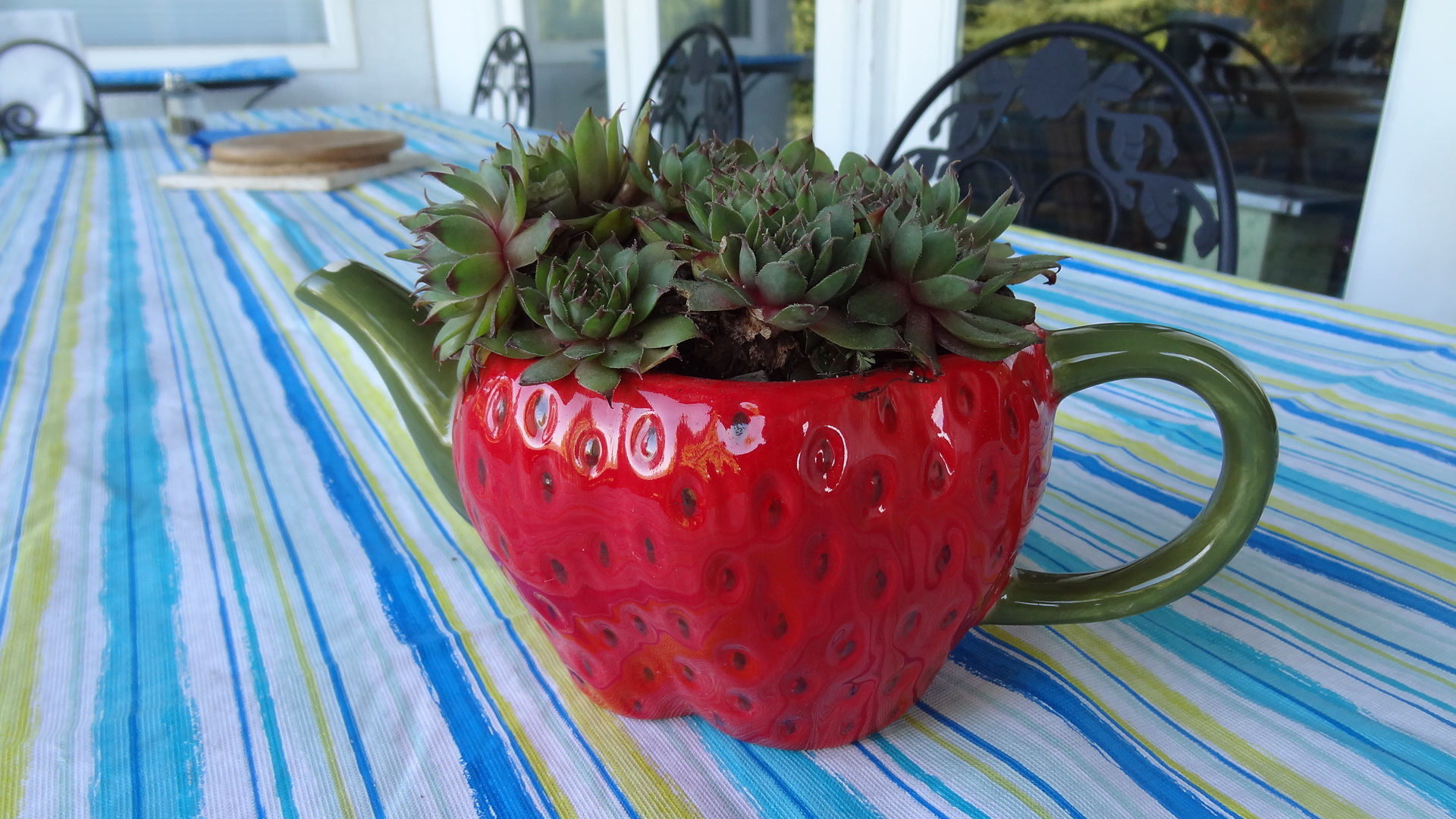
    As our house is being torn down shortly after our exit, we have permission to take the plantings of our choice. Our new location features an easy care lot, perfect for our retirement, but sadly there is no room for our 12" tall palm trees. In anticipation of an eventual move we planted two Japanese maples in containers, easier to transfer. We've found a unique way to take items from our garden while repurposing small items that we technically need to get rid of. Two things in particular were difficult to throw out: a chipped mug I bought my mother while in Rome when I was 14 and a teapot, also bearing chips. Chuck dug up some of our dependable hens and chicks and voila, the damaged containers as well as part of the the garden will accompany us to the new place:

    DSC06274

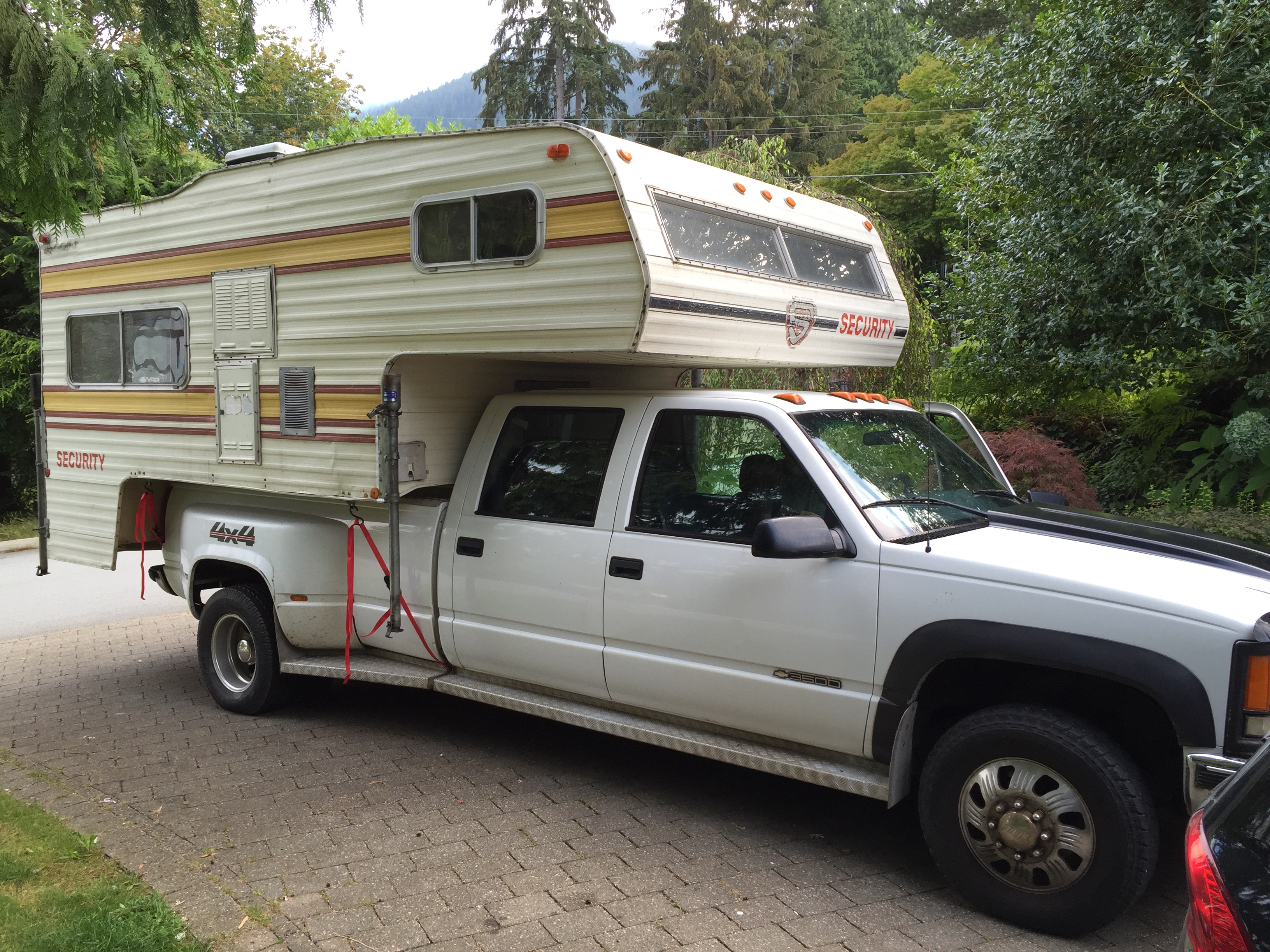
    And then things keep arriving, just prior to our exit. Bryant has brought home a replacement for the huge motorhome of two posts ago. 

    IMG_7702

    This one consists of an ex-RCMP truck: a 2000 Chevy with 137,000K and a 1978 camper, manufactured before his dad and I met. That puts it into perspective. At least it's going in the right direction in the spirit of downsizing as well as motherly anguish.