Life's a Stitch

And more recently life’s a creative adventure with some travel thrown in.

  • When I managed a family life education, aka "edutainment," program, a popular and highly emotional course was "Moving from the home you have loved." 

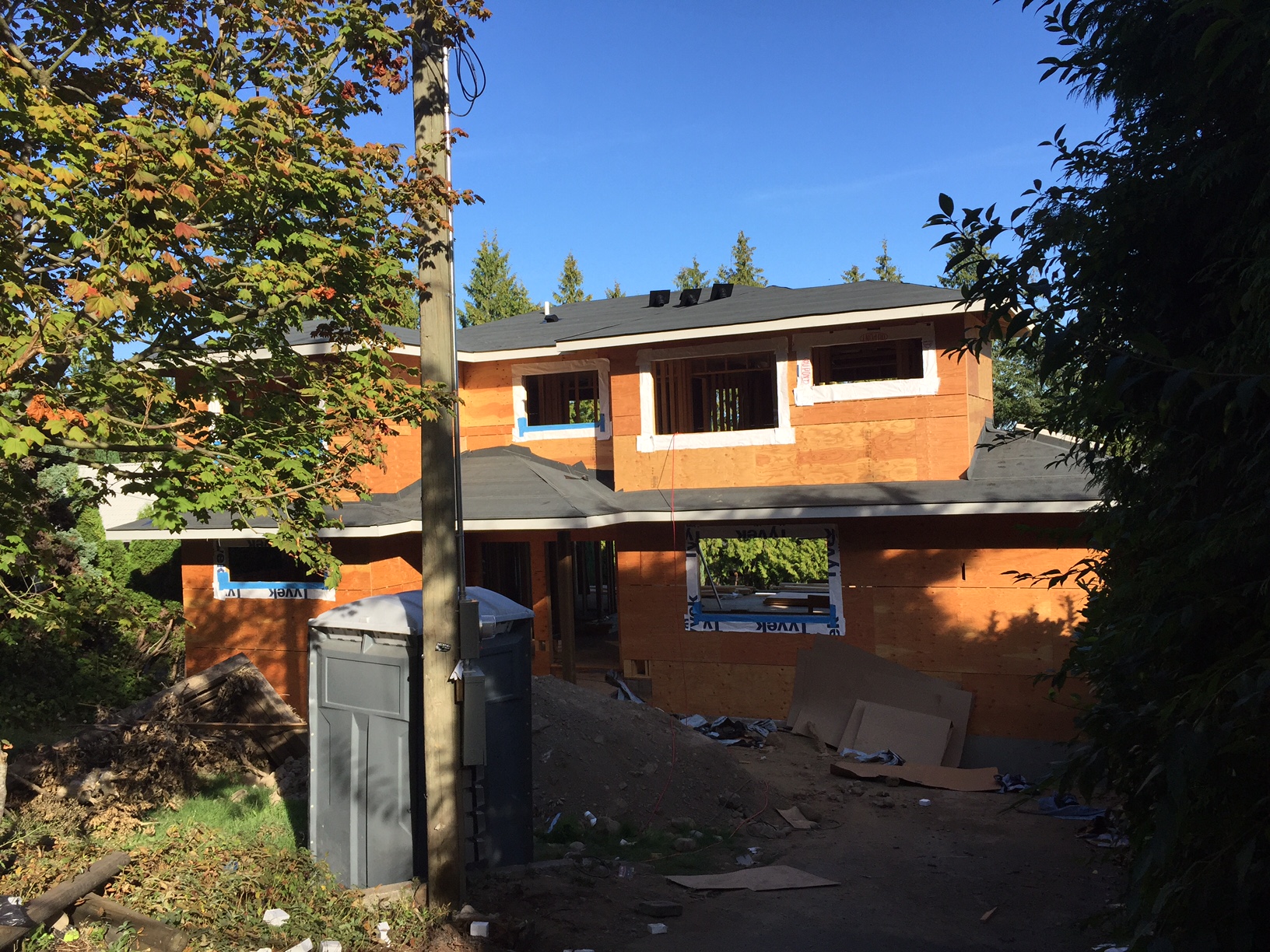
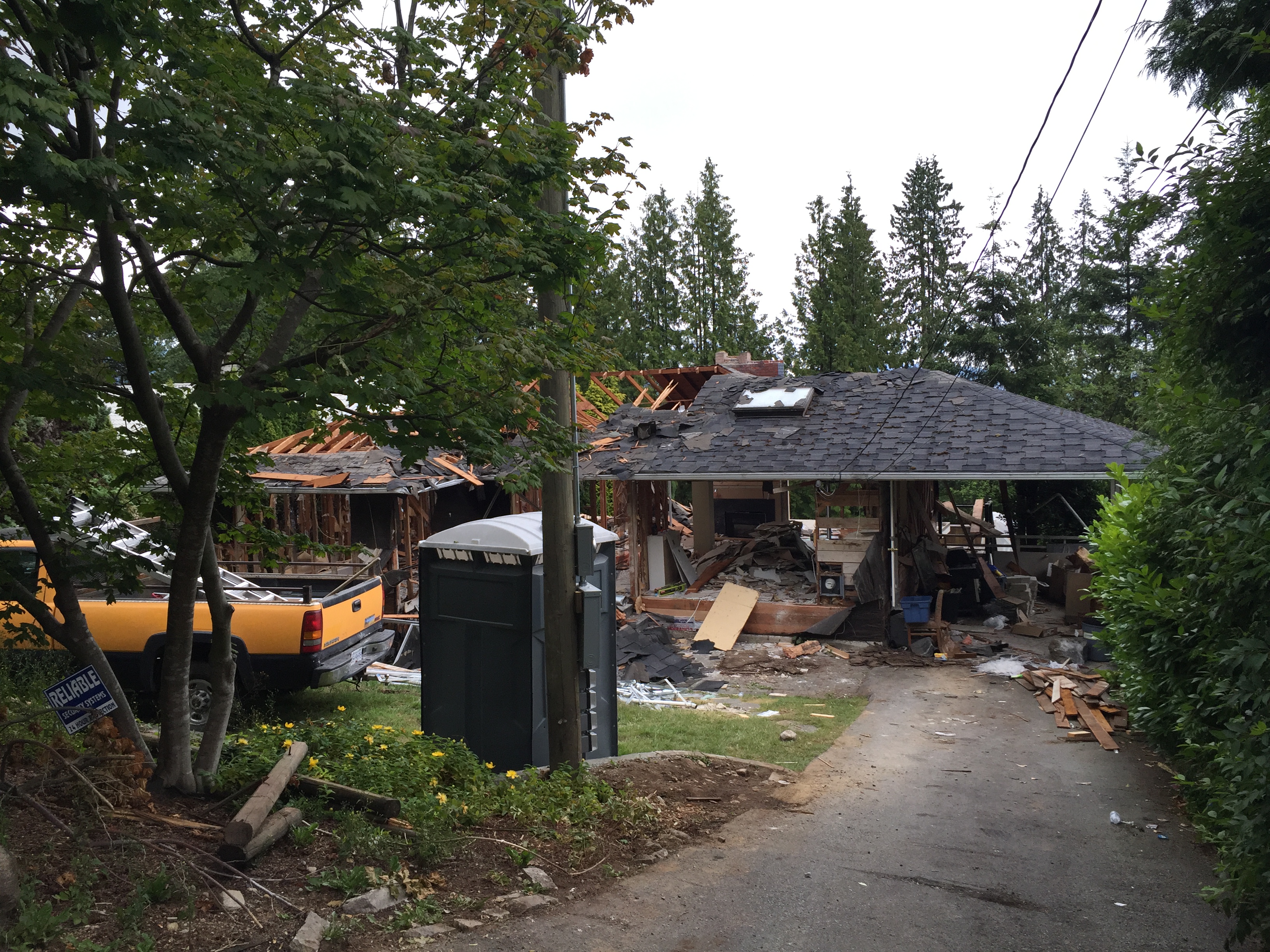
    Last week we drove by our old place, the house that I lived in for the longest period of any place  in my life, and saw the beginning phases of demolition. Several windows having been removed, leaving sad hollow eyes on the front of the house. It looked so unhappy in the cold and wet. A neighbour questioned our curiosity in seeing it being demolished, saying she would find it too depressing to see the house in which she raised her family being torn down. Our house required too much work to bring it back to life and really is ready for the wrecking ball, having lacked "good bones." I don't find it depressing as our happy times will be sealed there permanently in spirit. The beautiful lot needs an opportunity to host a new growing family to create their own memories. That being said, I didn't like seeing it partially dismantled, experiencing a slow demise.

    Our old familiar North Vancouver world is changing. An entire four square block area that housed the grocery store where two of my children had high school jobs, as well as our doctor's office, has been levelled for a townhouse development complete with trendy food store. I drove past our previous house and guess what? It was taken down to its foundation similar to what we are currently doing, but I remember that house as structurally sound. I have to admit, though, that the new house, built upon the foundation of the old one looks very nice.  Mirroring its original lines, it looks like our little house has grown up. 
    IMG_7298  IMG_7790
    The next day I went down the street where I worked for ten years. You guessed it. The entire complex was gone to make room for another West Coast contemporary development. Hurricane Progress has hit our community. I am not exaggerating when I say every block in our town has been hit by this storm. Most have at least one rebuilt house and others involve the wiping out of entire blocks of homes. Our new town is experiencing similar change, but not to the same extent. And it's probably easier because I don't know what it was like before. It's unsettling to see all your familiar points of reference being replaced in short succession.

    But on to the new: we've noticed traffic patterns are more efficient, where we are, and are growing accustomed to the ease of living in a highly walkable community. More on that in the next post.

  • Back in Spain for a few days, laying low. I picked it up first, Camel Fever we're calling it. AKA Montezuma's revenge. Was it that wonderful salad or shaking hands with the souk vendors, agreeing on a deal? We thought we were being so careful, Ali Baba and I. In the five days in Morocco I went through an entire package of sanitizing wipes. Tap water never crossed my lips. That bug was determined to get us.

    No pun intended, the only photo I've gotten in our brief period back in Spain are delicious fartons:

    Image

    Seriously, as you can see, that is the name of the light and long pastries from Valencia, intended to be dunked in a glass of horchata. The ones we particularly enjoy are stuffed with lemony vanilla custard. 

    Goodbye Spain. Tomorrow we leave for the final leg of this adventure, a transatlantic cruise back to North America. 

    I'm not too sad as we're sailing home to our new reality with good friends. Not the house we're used to returning to, the one that recently had a temporary power pole installed, as it's being prepped for demolition. We're on our way to temporary quarters while we progress on our own partial demolition and rebuild. A journey of a different kind. 

    For the time being I'll be going back to my usual once per week blogging schedule. Stay tuned. 

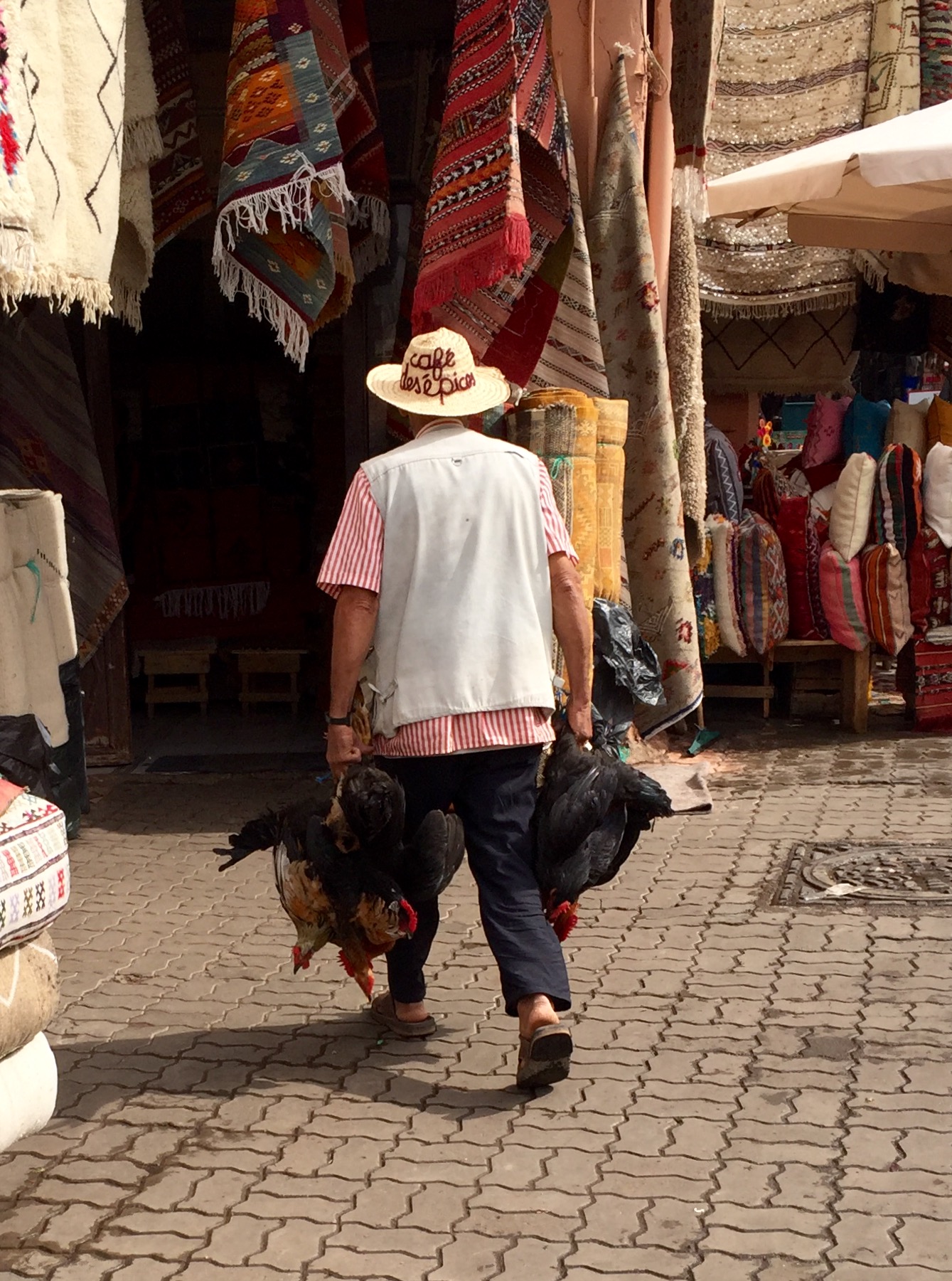
  • This was our last day in Marrakech. Half way through our shopping we went back to our riad to drop off our finds passing an open area featuring food items for sale. The chickens were so fresh they were still alive:

    Image

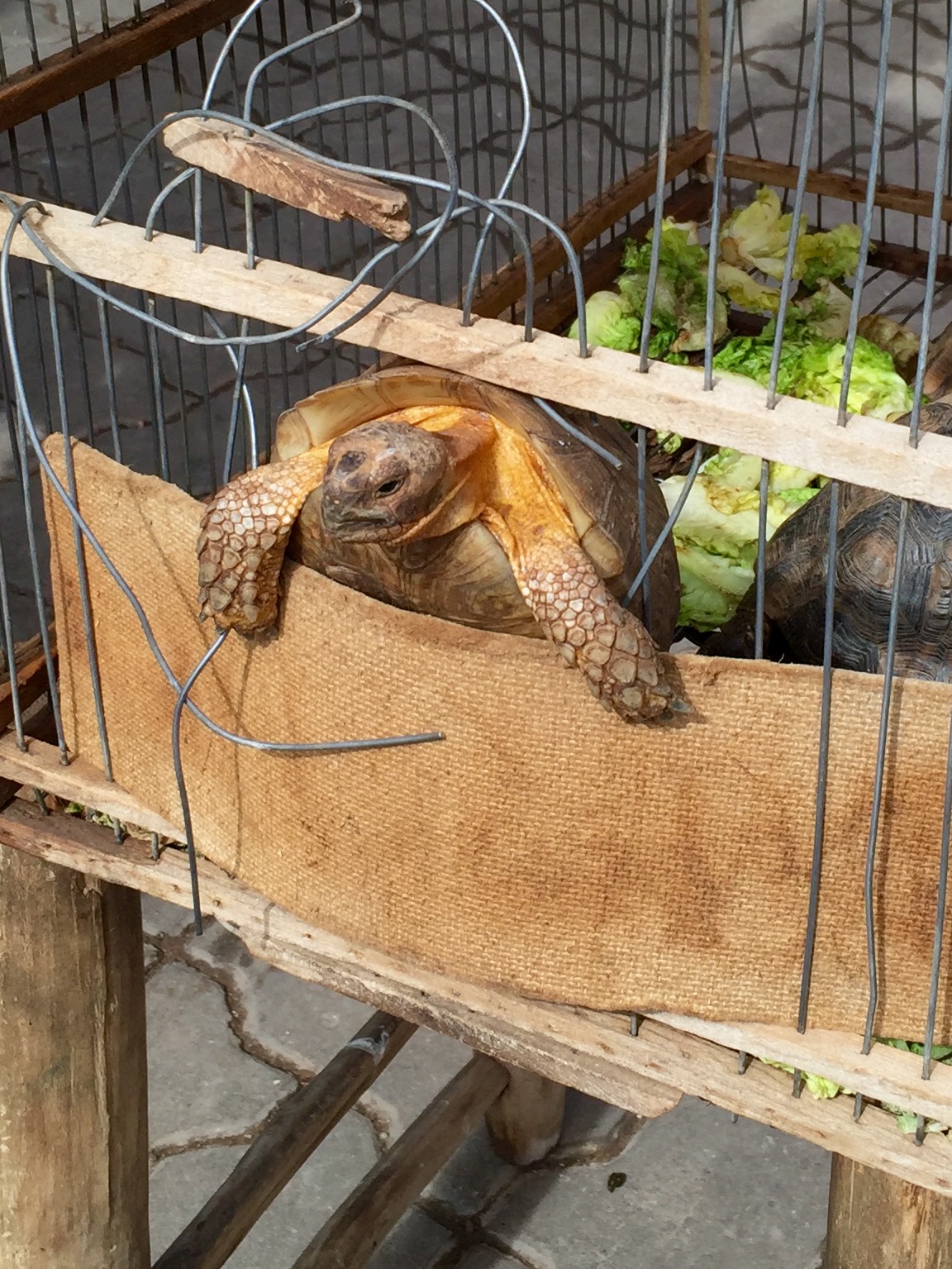
    An escape attempt:

    Image

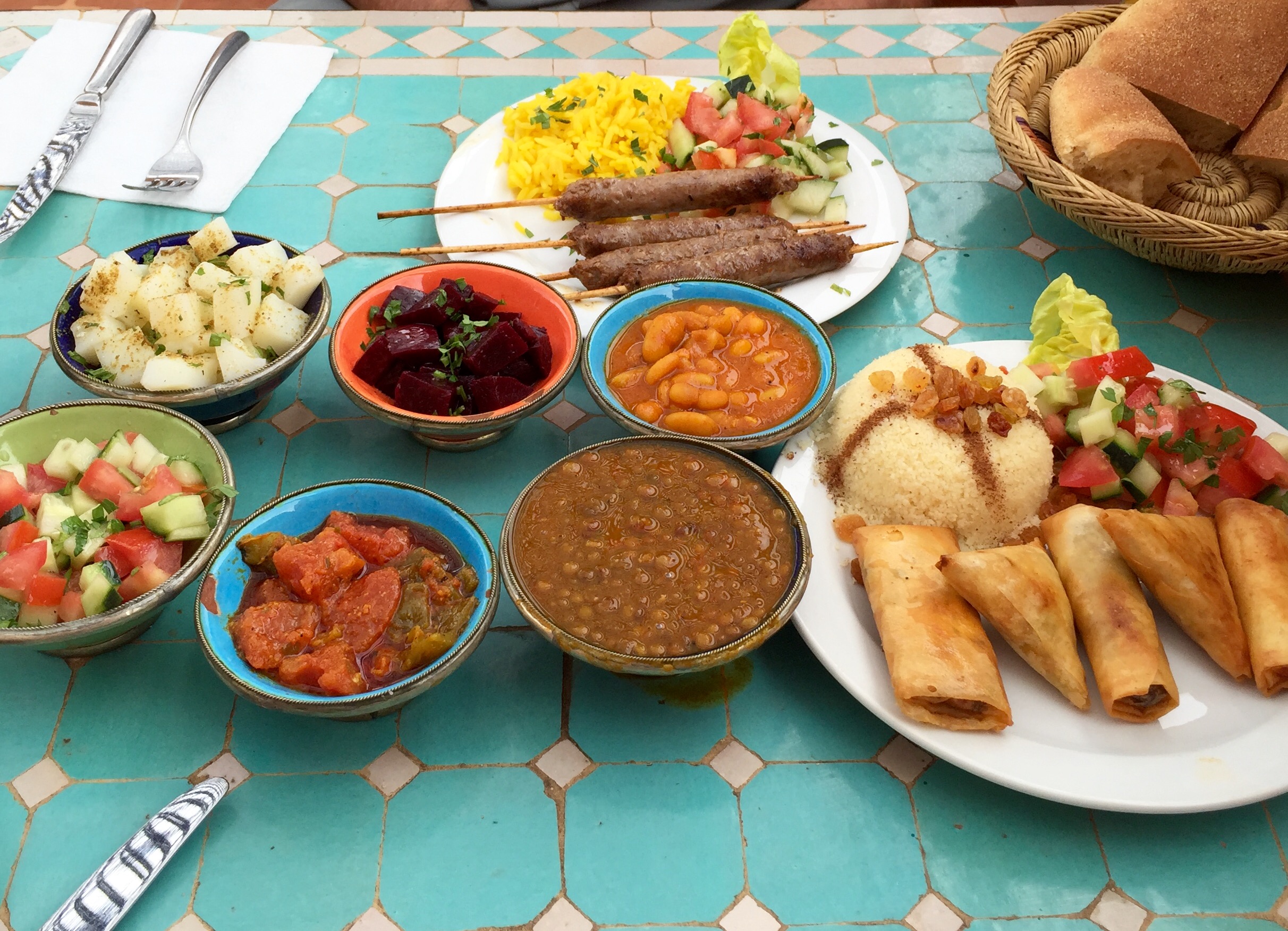
    We decided to have lunch at first restaurant we visited upon our arrival, ordering a sampling of Moroccan salads, fried appetizers and murguez, spicy Moroccan sausage (not as good as we can get in Vancouver). 

    Image

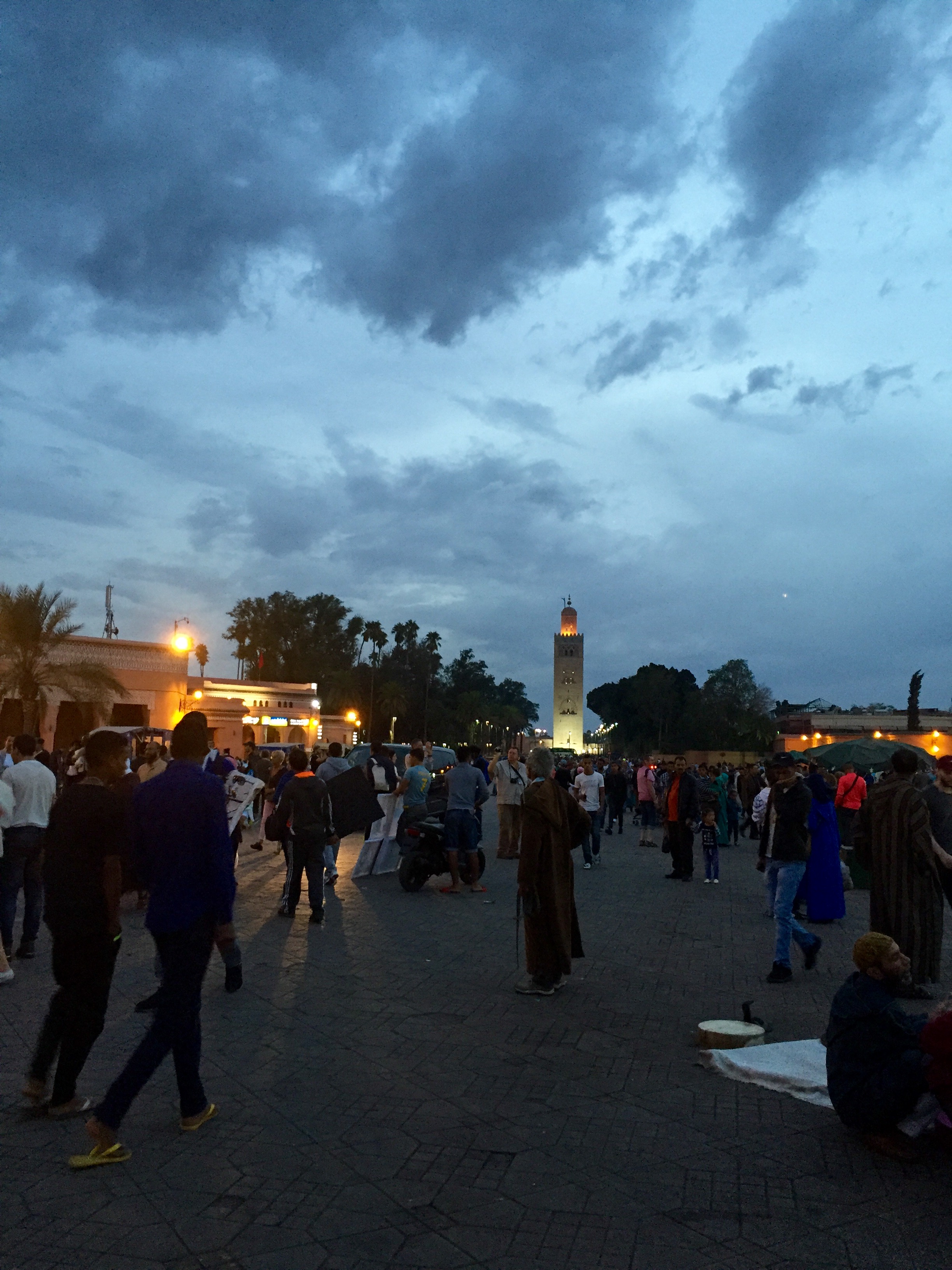
    Went back through the souks to experience the main square,  Jamaa el Fna, at sunset.

    It was a zoo, literally, snake charmers and monkey tamers and a variety of side shows and tons of people. 

    Image

    There were food booths, five in a row featuring snails:

    Image

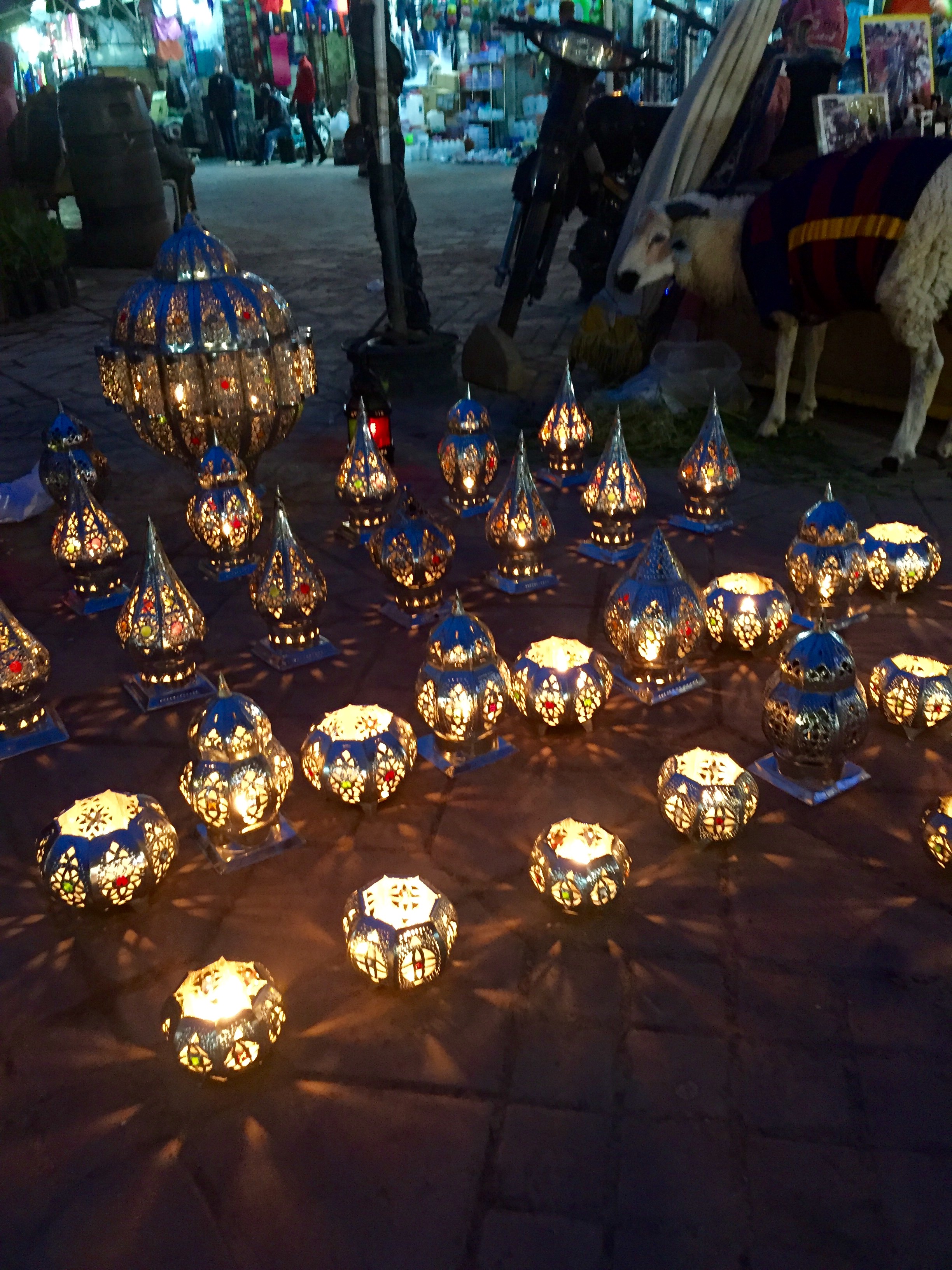
    We made our way  through, past a lantern seller:

    Image

    … to have our last dinner in Morocco. We ordered a platter of mixed grilled veggies and our most delicious tagine of dried figs and lamb, with a bottle of African wine, a great way to end our whirlwind Moroccan vacation.

  • This is the educational experience. We should have read up more on the culture of haggling specifically to Morocco. I'm not into that, based on my experience in Mexico, where I'd rather pay a bit more to support a family in a poor economy. It's the social worker in me. I once got too good a deal on a bracelet from hard bargaining and still feel guilty. That's the Catholic school girl in me. 

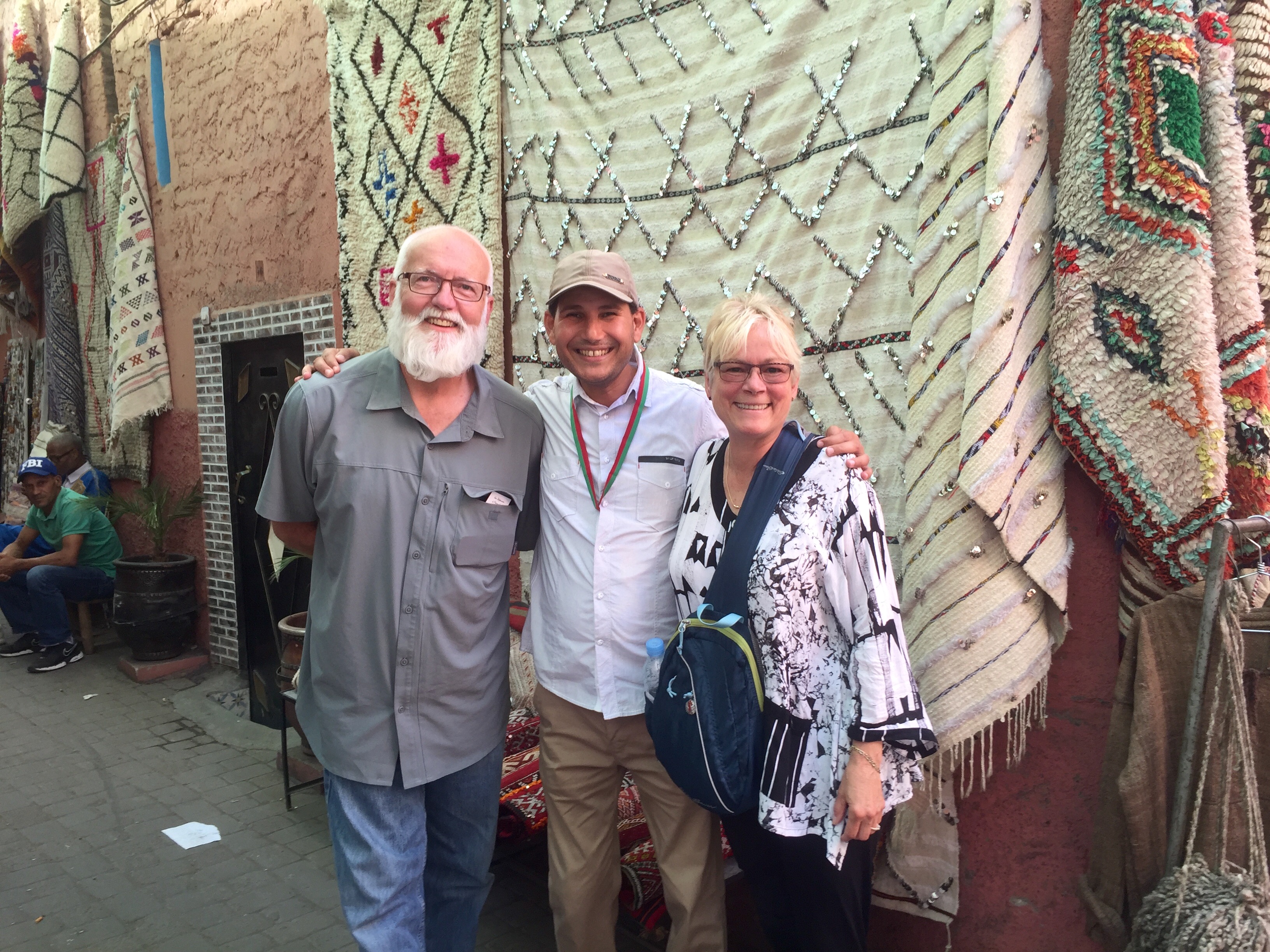
    On our way to the souks, the young man from last night offered to take us to his mother's spice shop where his brother was the herbalist. Right. We were introduced to a professional looking young man in a white coat. Nice conversation ensued, a matter of building trust.

    He showed us a number of items and quoted very reasonable prices. Long story short, I handed over the money to the 'mother,' and immediately was told a higher price. Too late, she had my money in hand and the change was far less than I was expecting. Not a good experience. I should have listened to our private guide, Nour, from the first day and shopped for spices in the Jewish Quarter spice souk where the prices are mostly fixed. 

    When we left the shop our unofficial guide was still hanging around to collect his share of the profit from the shop owners. Then it dawned on us, we probably paid for C's rudeness from the previous night. Tricky business in the medina.

    After researching the place on Trip Advisor we found that it's not an uncommon experience.

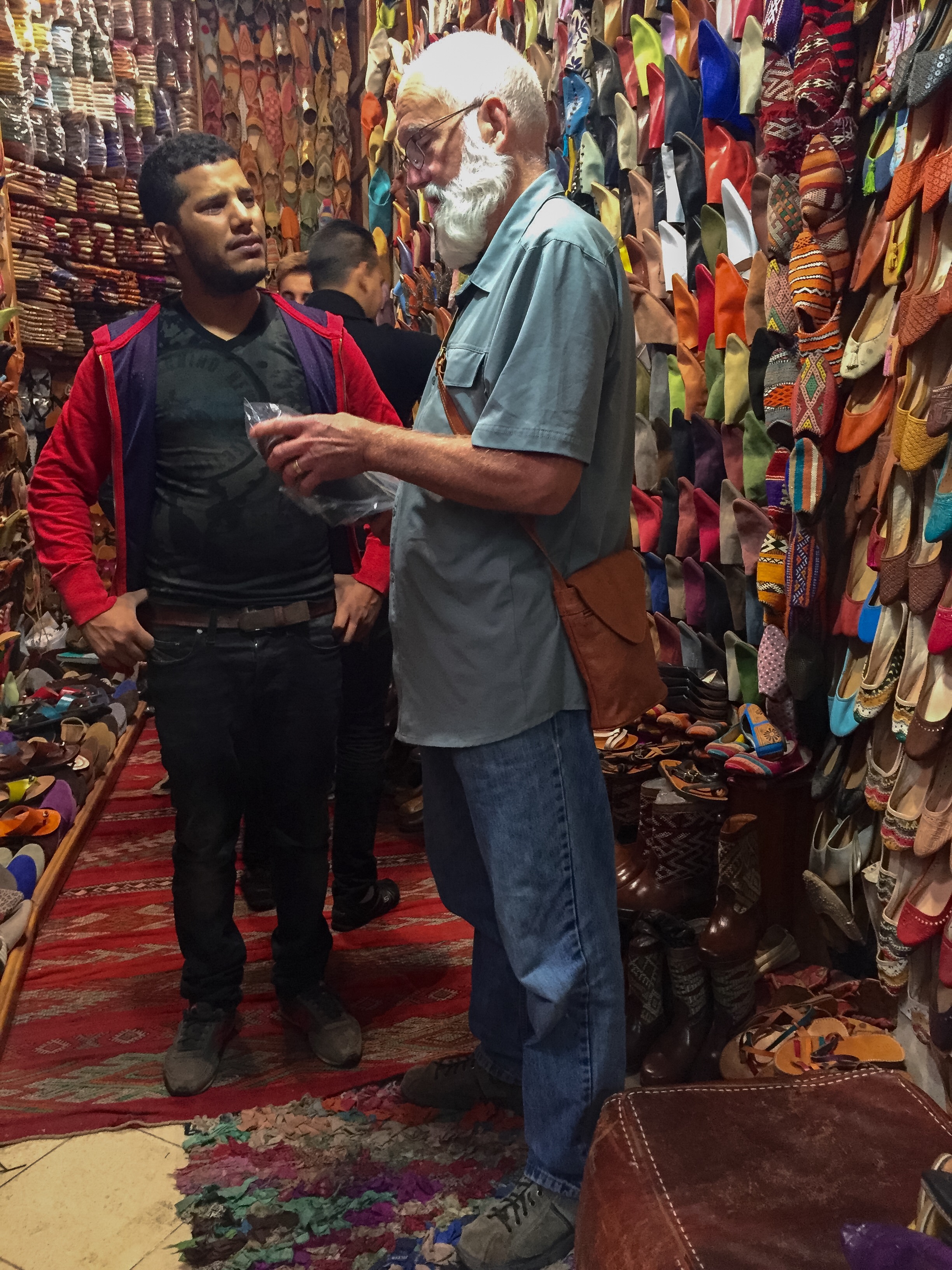
    Chuck negotiating in the leather souk:

    Image

    After buying three items of leather we had an interesting conversation with an older craftsman on how life has changed in Marakesh over the years. He was very nice and offered to design me a "banana" shoe for my interestingly shaped foot. We all got a good laugh over what that might look like.

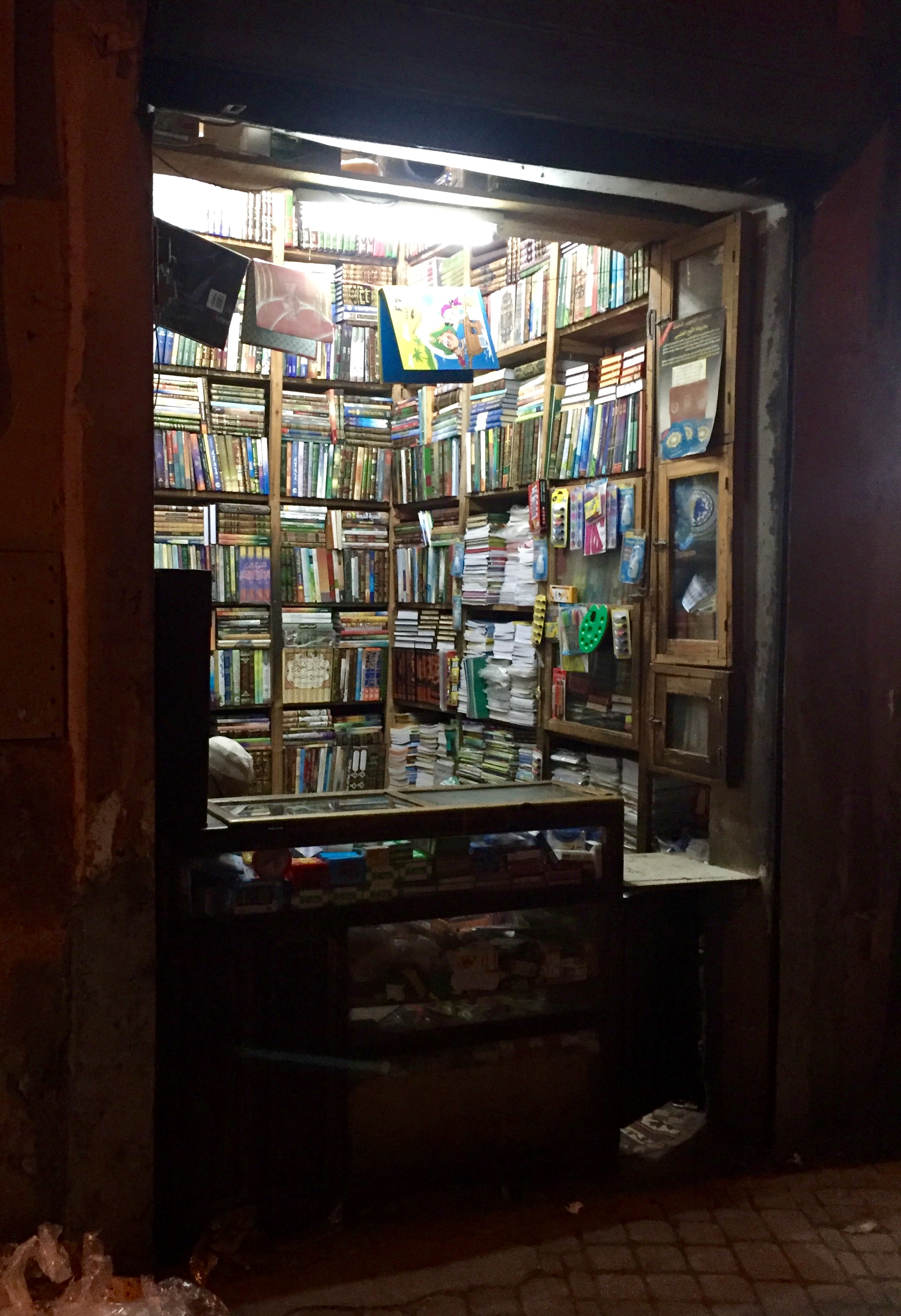
    A bookstore in the souk:

    Image

    The rest of our shopping was exhausting, but not as bad, and I've learned the following from research and experience:

    1. When asked is this your first time in Morocco, answer "No." Prices are different for experienced shoppers. 

    2. We had repeated experiences of the price going up as we handed over the money. If this happens firmly stick to the agreed upon price.

    3. Check your change immediately.

    4. Exchange rates are confusing. Do all your negotiating in one currency, preferable dirhams, don't be fooled if the price is quoted in different currency during the negotiations. If you feel confused, there's probably a reason. 

    5. Some shop keepers are rude, many are nice. We were looking at an item in a shop and noticed it was made in China. The shop owner was quite peeved when we said we were no longer interested and he insulted us right out of his stall.

    6. Don't fall for the "my brother, my mother owns this shop." It's not likely a relative, and you've been taken there so they can receive a kickback that has been added to your price. Plus there's the expected tip from you for having been taken there.

    7. Expect the quality excuse to be used when a shop owner thinks your offer is too low. His merchandise is of a higher quality than others. It most likely comes from the same place as the others. Or China.

    This is the haggling game specific to Marrakech. Buyer beware, but it wouldn't keep me from going back. It's part of an overall positive and fascinating experience.


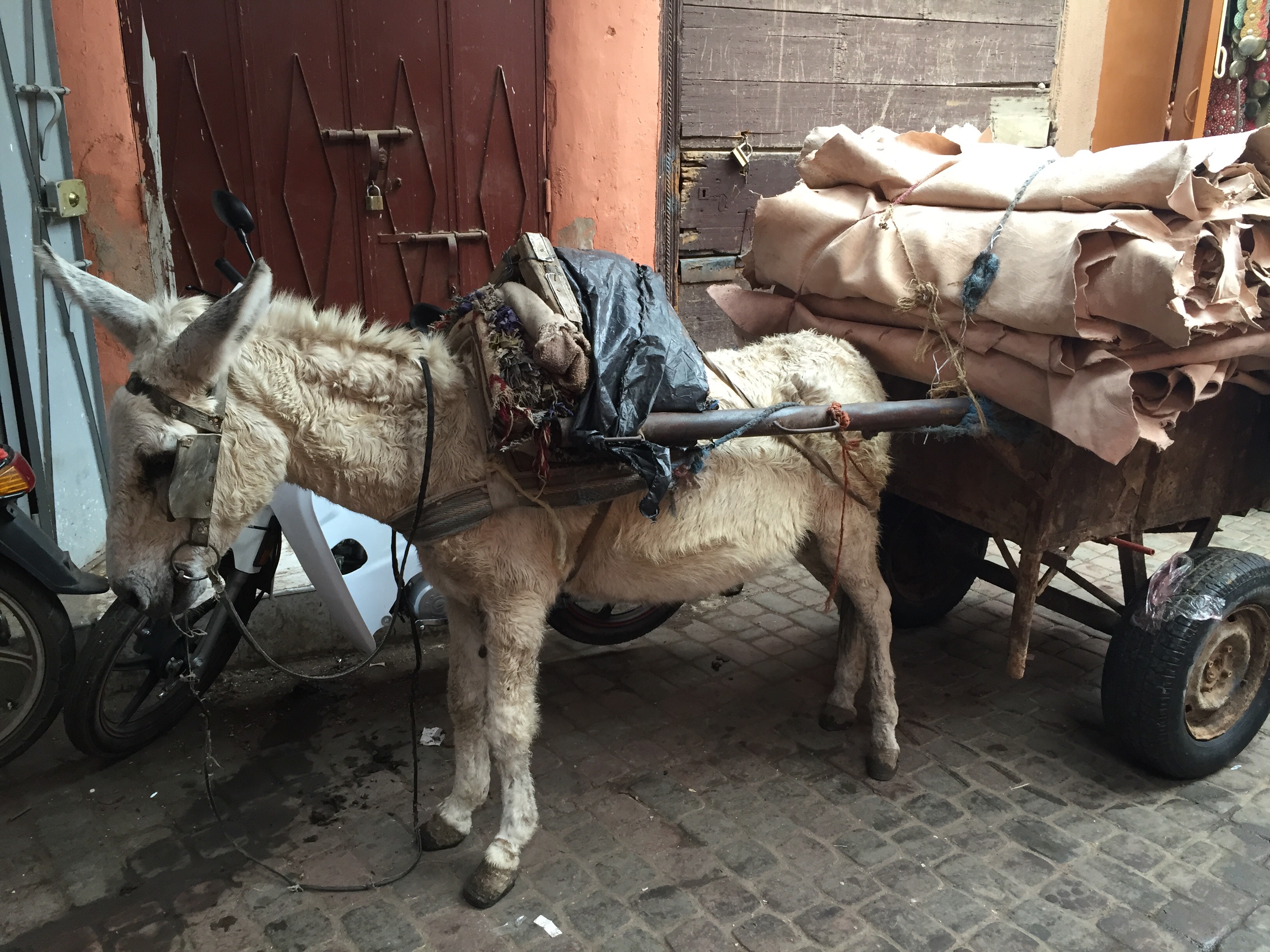
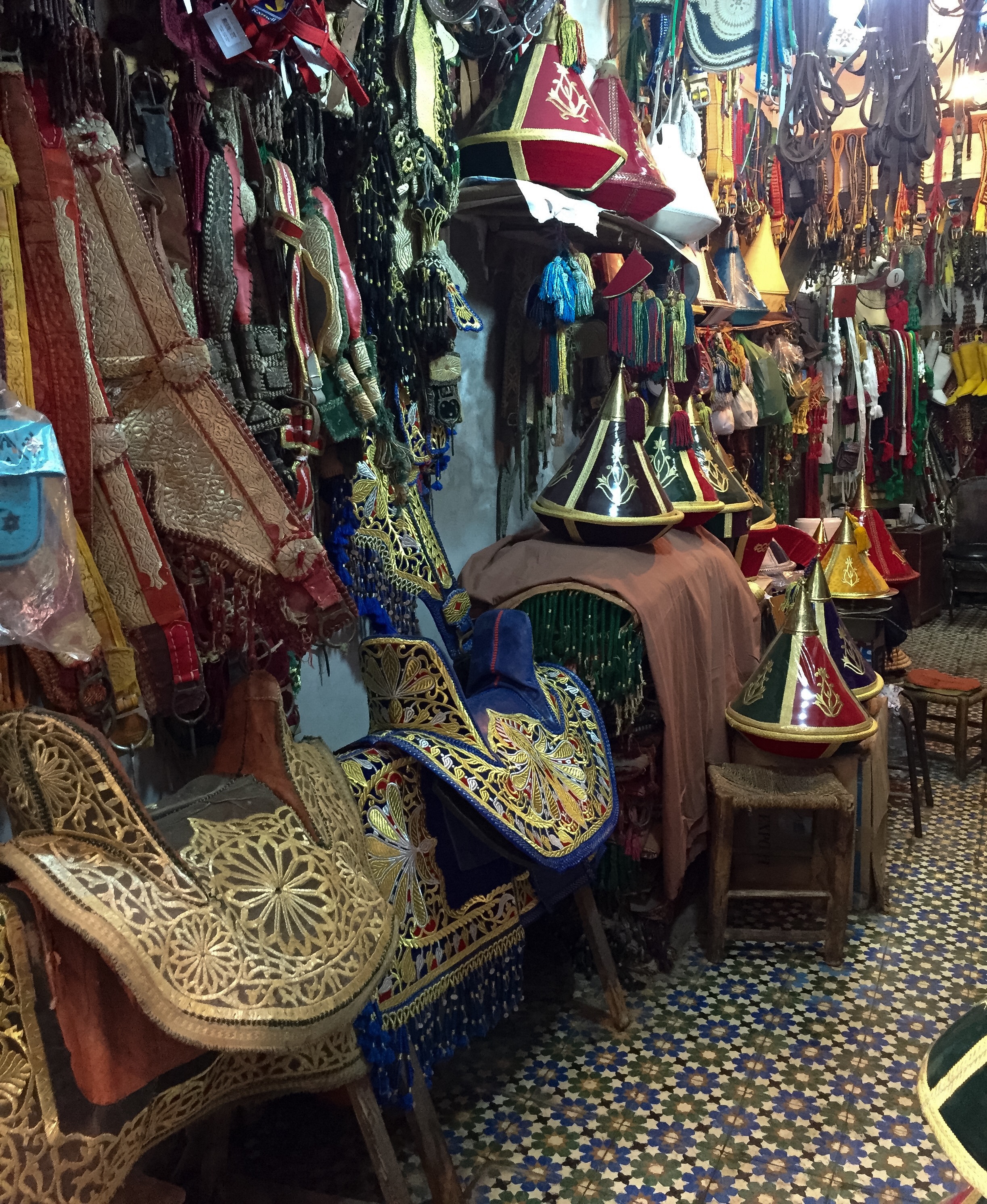
  • The Medina has areas dedicated to specific craftsmen. For example, in the leather souk the morning starts with the leather auction, skins brought from the tannery by donkey. 

    Image

    Image

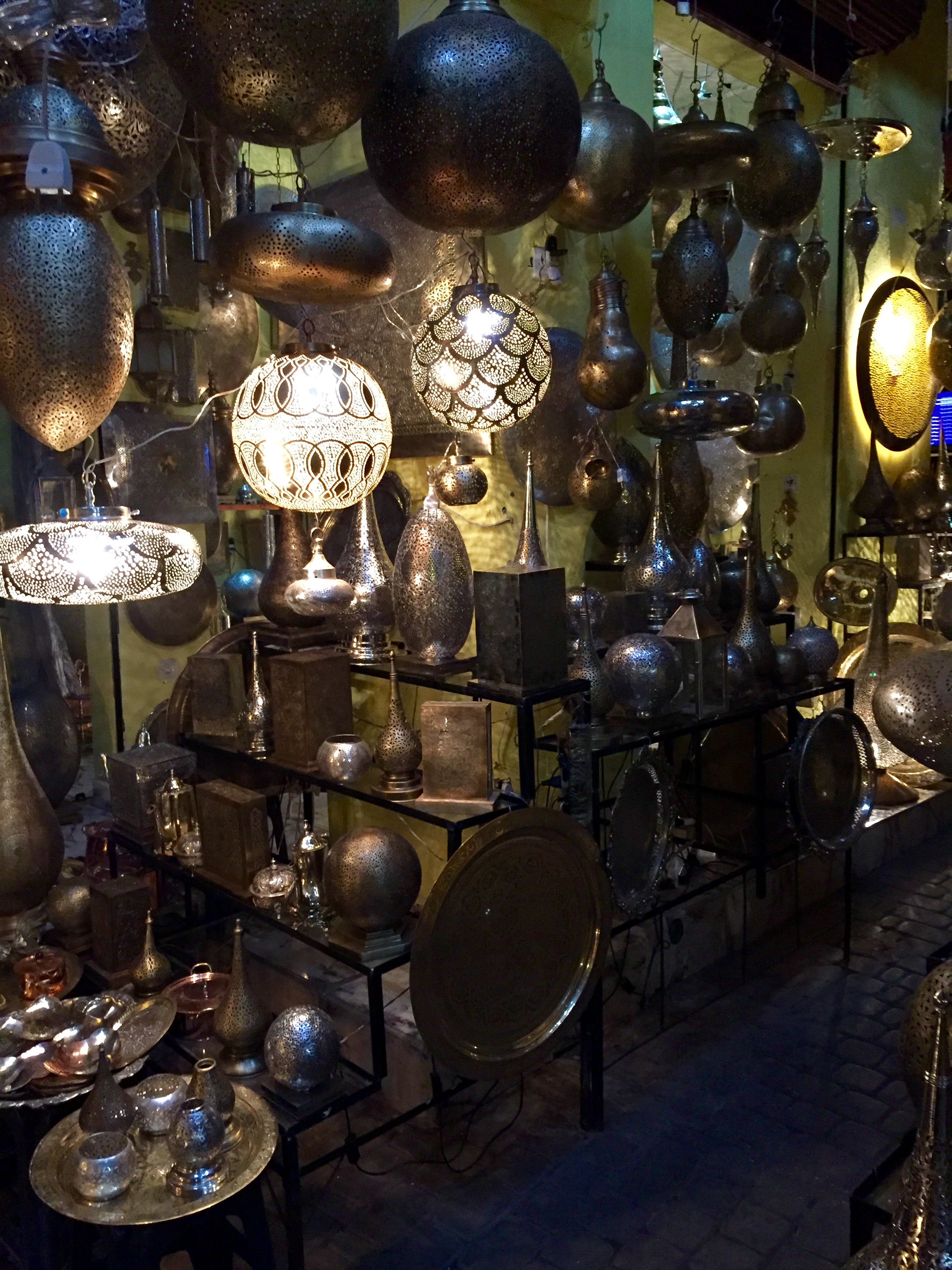
    The craftsmen make the stock distributed to the individual stalls. Besides leather, there is the metal workers souk featuring Moroccan lanterns. 

    Image

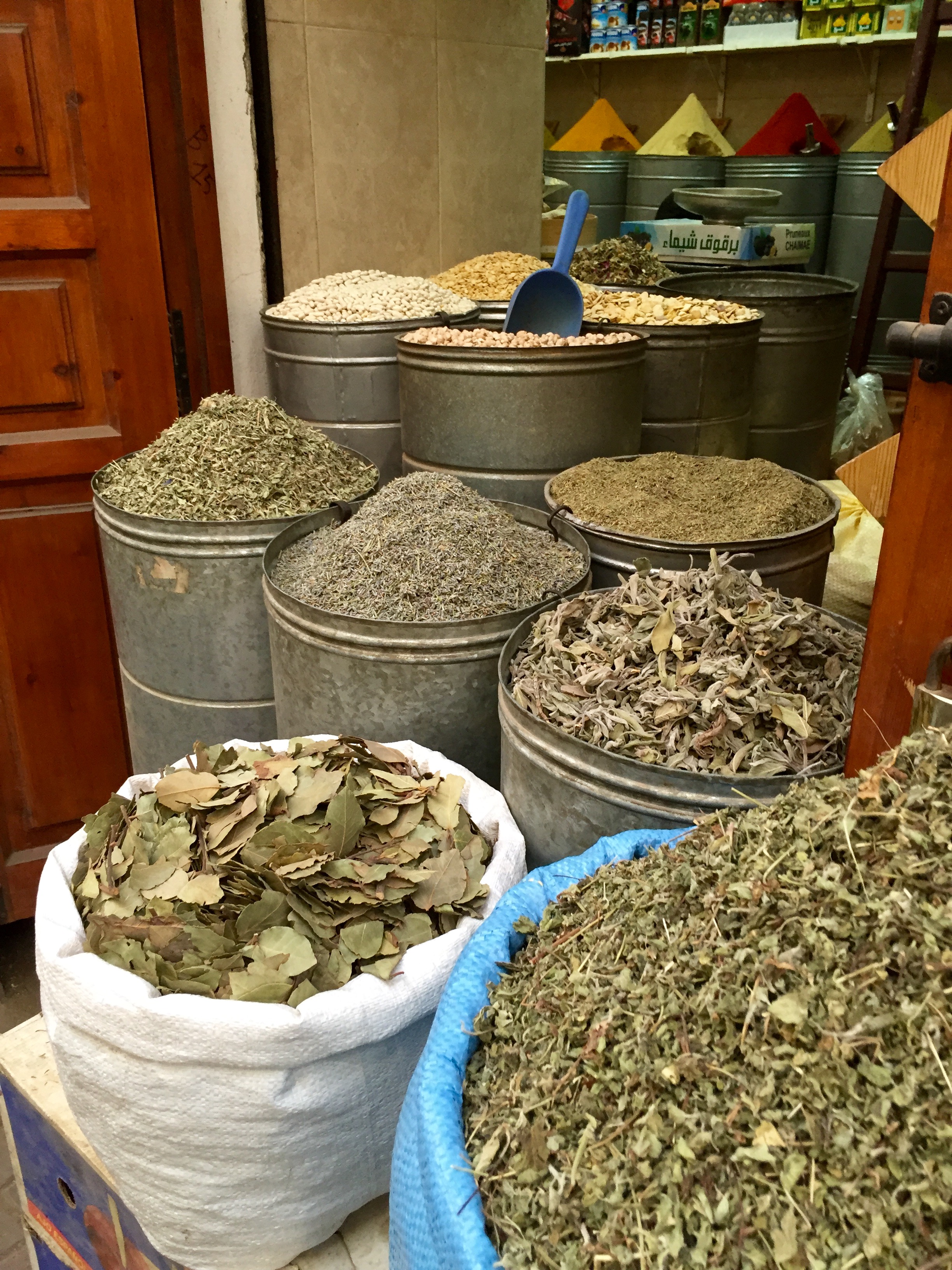
    The spice souk Is located in the Jewish Quarter. 

    Image

    Image

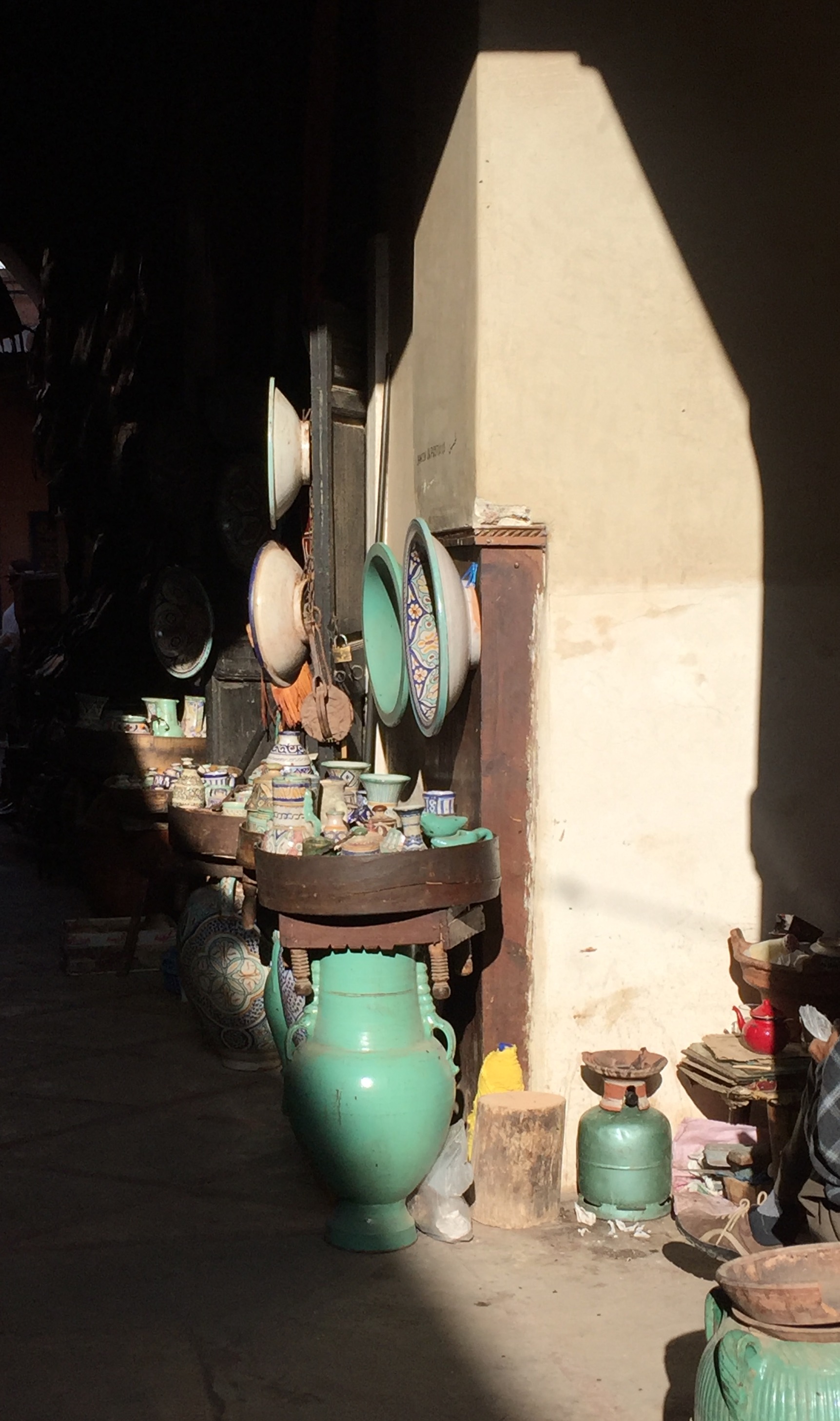
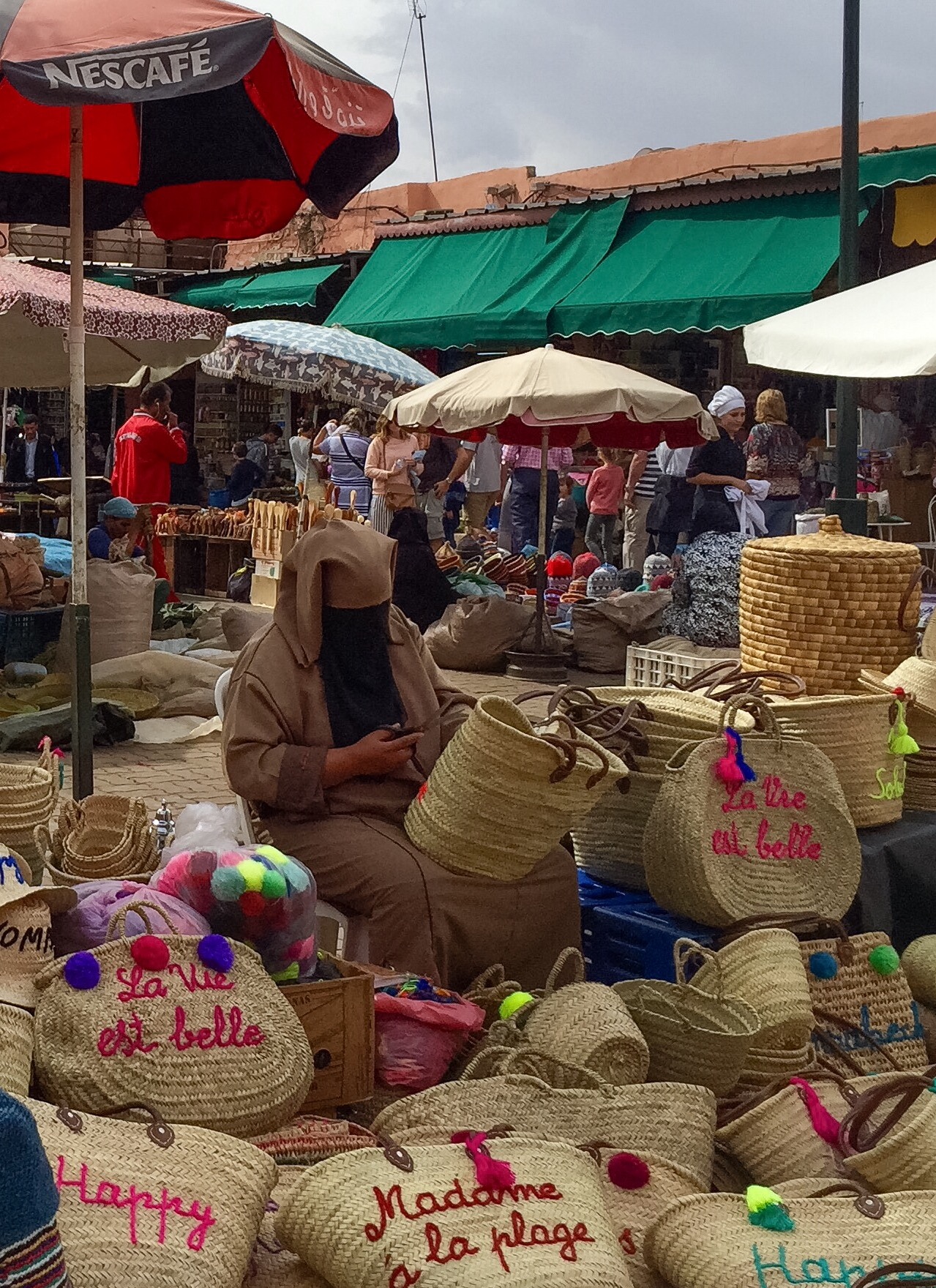
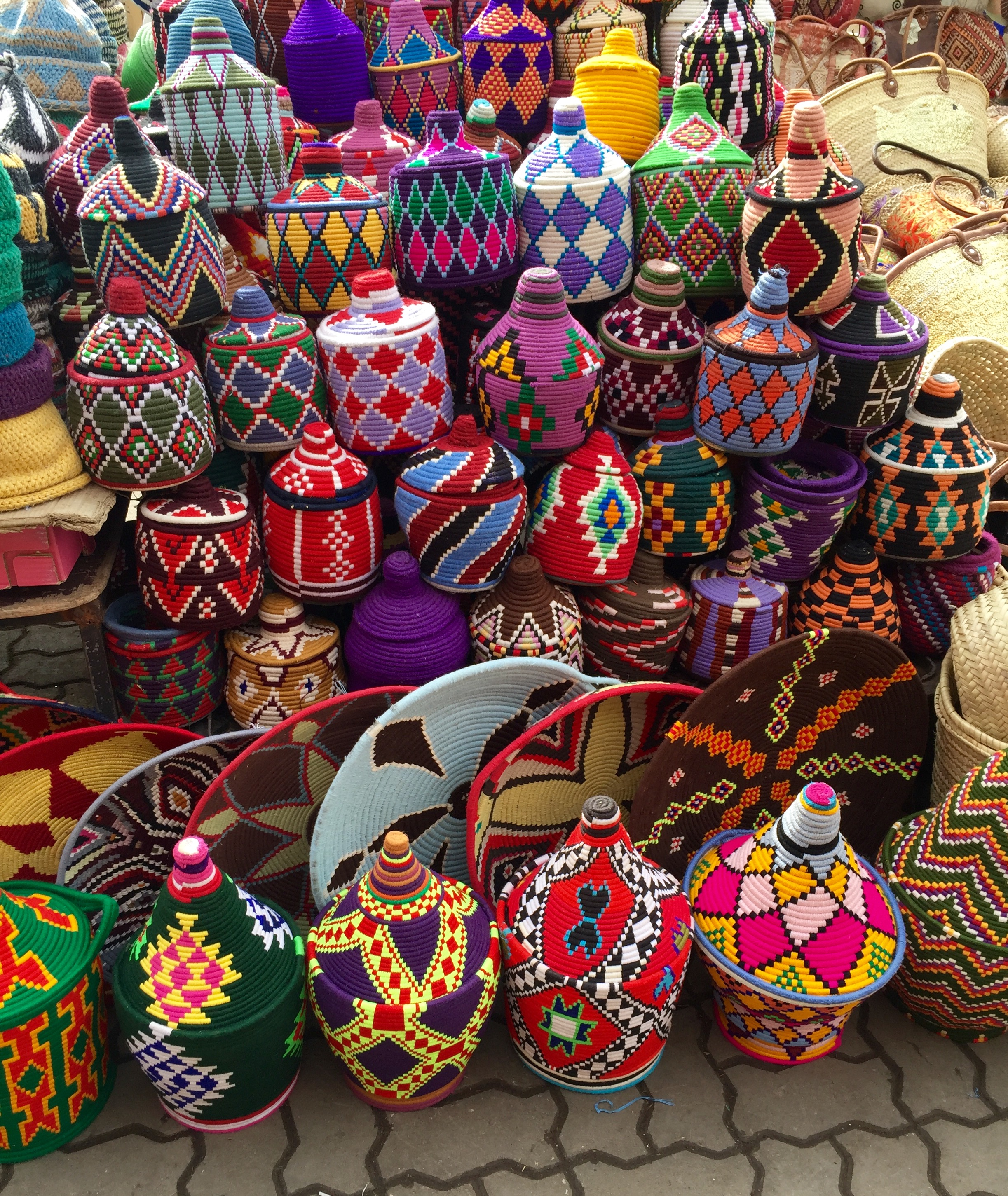
     There was a woodworking souk, textiles dying, ceramics,  carpets and one for garments. There were women making baskets. I'm sure I'm missing some.

    Image

    Image

    Image

    It's all very colourful and crowded. 

    Image

    Image


  • 6:30 a.m. is wakey wakey at camel camp. It was different being on the camper end of things after so many years as camp staff. They wanted us up dark and early for brekkie – bread and coffee or tea – so we could see the sunrise and get back to the minibus for the ten hour journey home.

    Image

    Image
    The staff were quite efficient at rounding up people and beasts. They have lots of experience in the desert. Heard our guide last night say he was born and grew up on the Sahara, part of a nomad family. Now he's working at camp with plug ins for cell phones. 

    Image

    Image

    Remember how yesterday I said we were coping with the long journey because we were so excited to get to the camels? Today there were no camels at the end to entice us. It was a loooong day. 

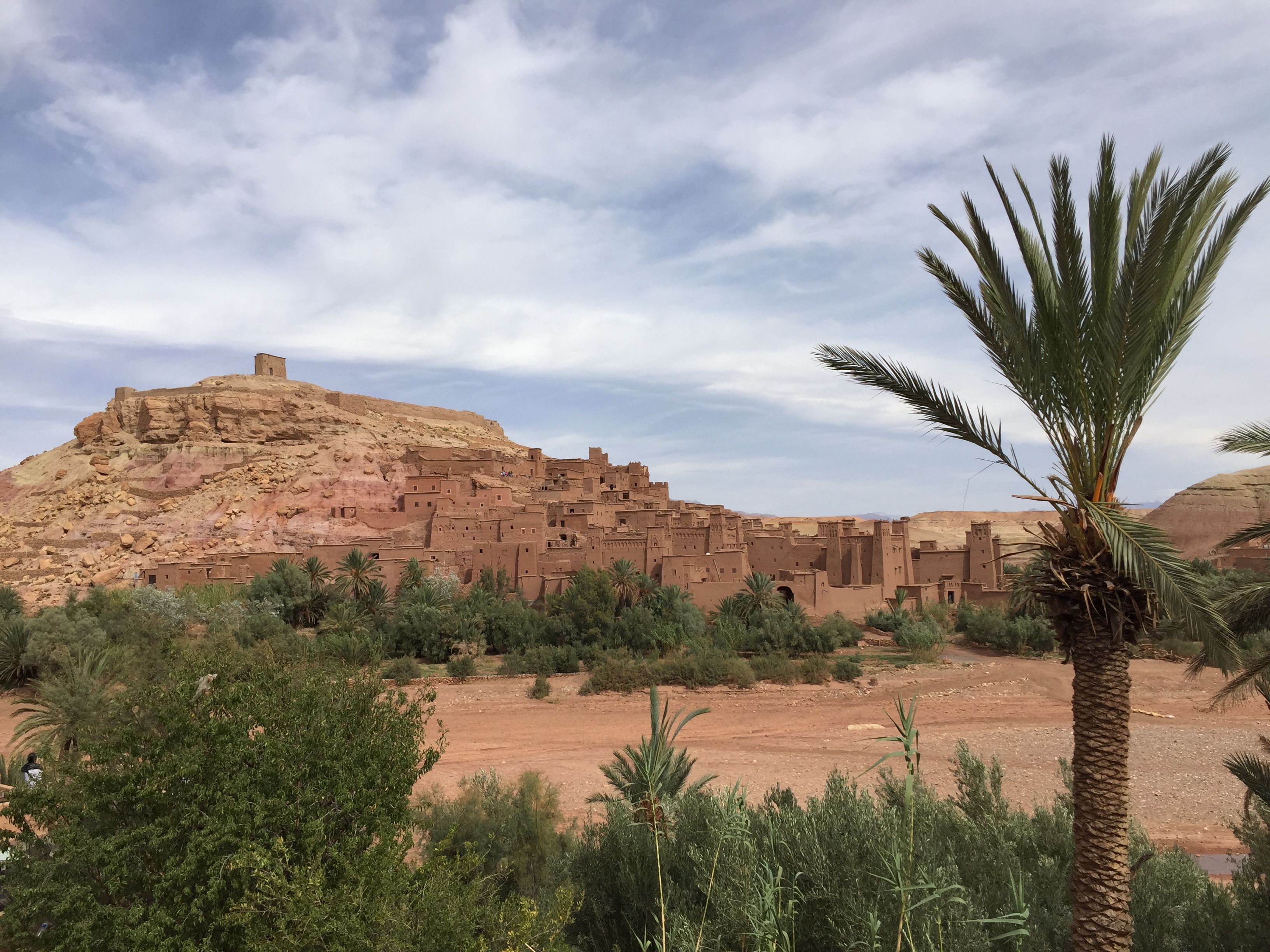
    There was a good break at Ksar Ai't Benhaddou, a Berber castle,followed by a delicious lunch. This was the umpteenth Unesco World Heritage Site we visited, all very impressive. C says pretty soon it will be a Unesco World Heritage World.

    Image

     The castle has been used in many films and the townspeople do well as extras. 

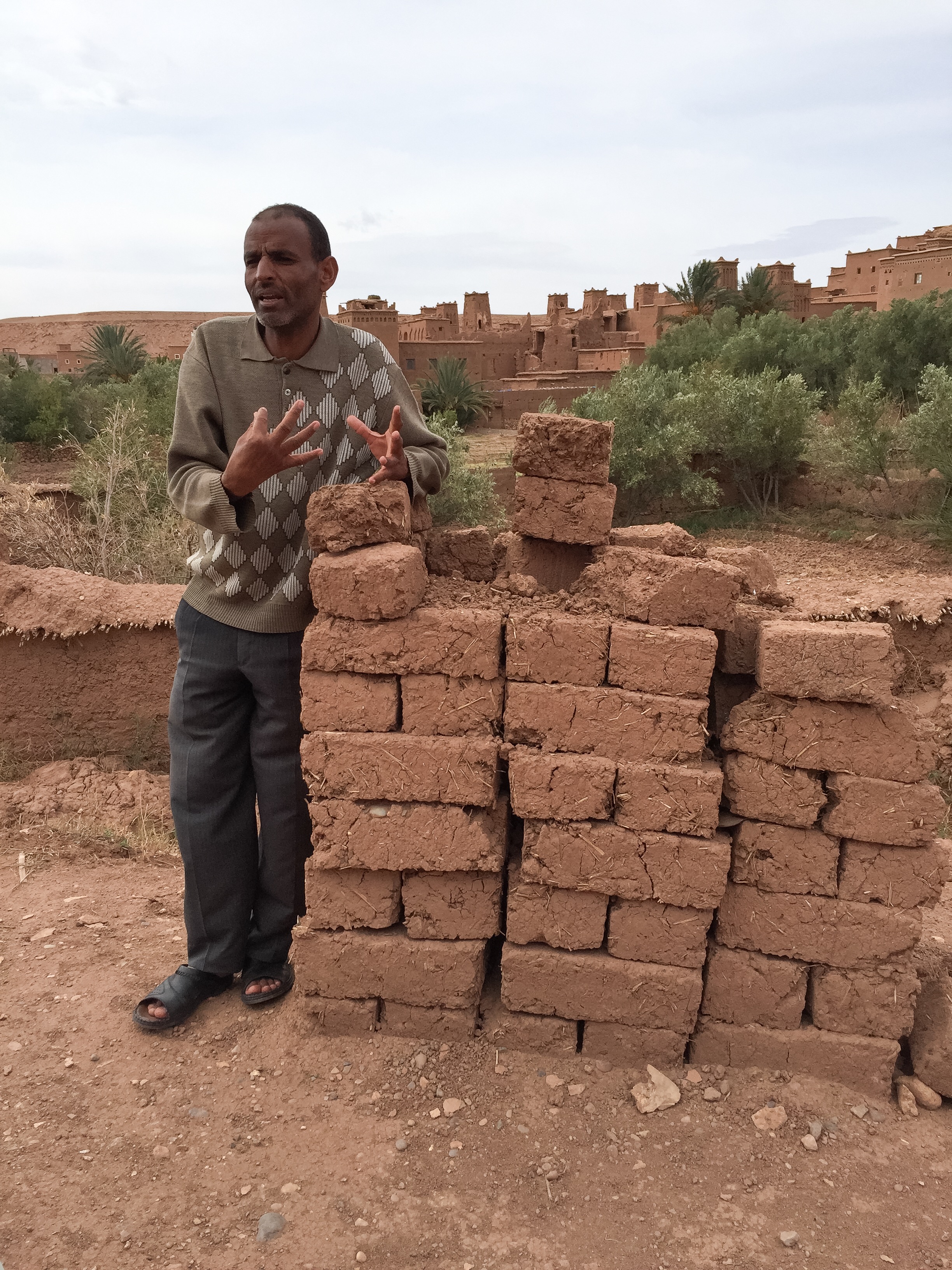
     Our guide showed us the adobe bricks used in construction, made of dung, earth and straw. It looks so fragile, like a good rain could wash it away. He said that families spend lots of time doing maintenance.

    Image

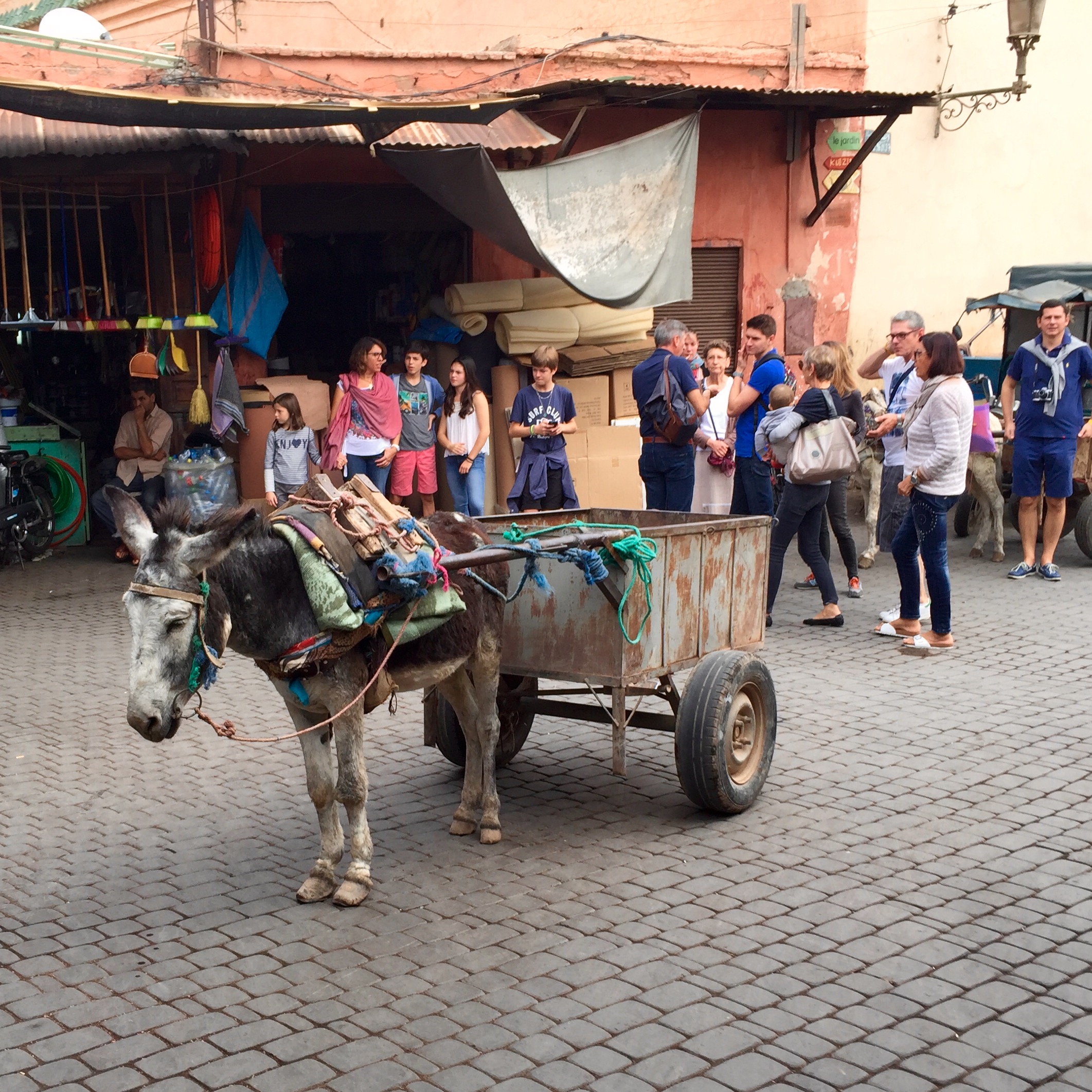
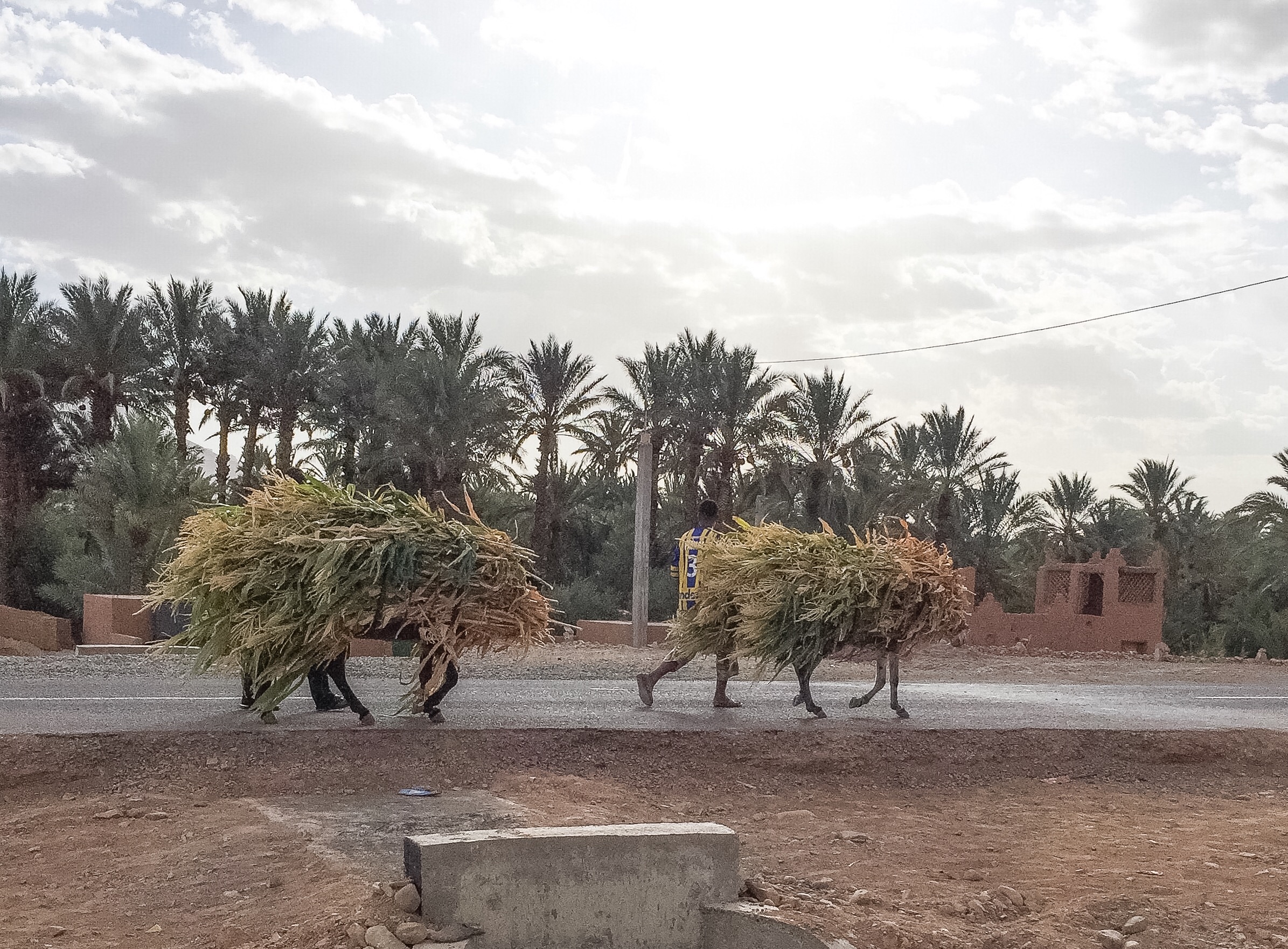
    It seems many families rely upon donkeys to transport goods to market and we saw them in action both in the city and the rural areas. 

    Image

     Image

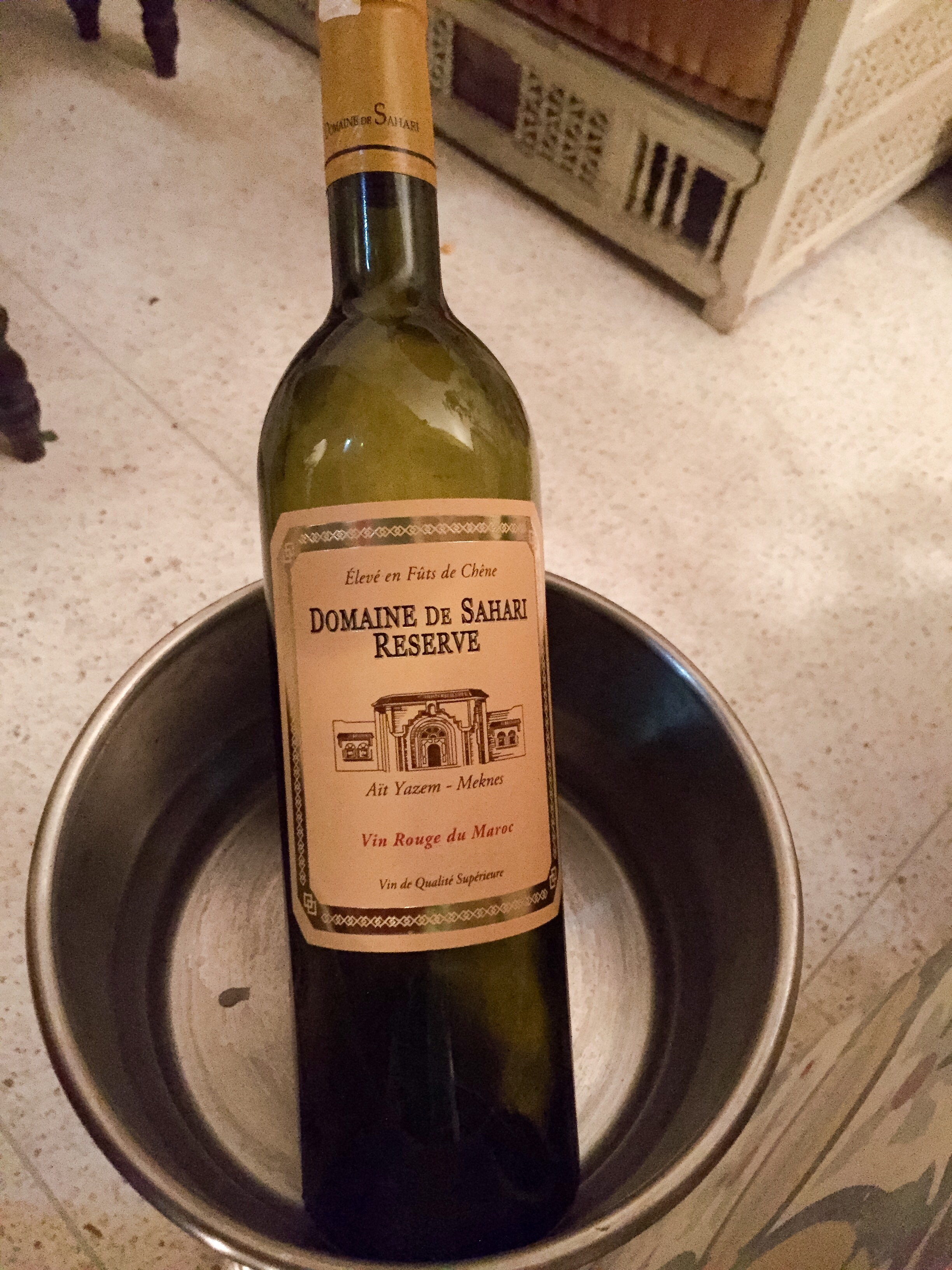
    We arrived back in Marrakech at 7:00 p.m., passing a nice restaurant on our way back to the riad. Looking up the reviews for I Limoni and many said that the Italian alternatives were a nice break from tagine and that their Sahari wine was excellent. Having had one tagine or another each day, as well as no wine, we gave it a try. 

     So off we went, going in the wrong direction. Combine a long exhausting day with being hungry, then throw in persistent locals trying to garner our business as unofficial guides, not that they knew where the restaurant was, but to take us to their "brothers, mothers, relatives'" restaurants. Not really relatives at all, but they see a tipping opportunity from us and a kickback from the other end for guiding us  to their business.This part could have had a bad ending as C was rude to a local young man. They made up in the end, but we think there were repercussions, which I'll write about tomorrow.

    We returned to the riad agreeing to a do over using Google Maps. Do overs are wonderful marriage savers in times of stress.

     Five minutes later we were in a pleasant garden like courtyard dining room with high canvas panels as a ceiling. We shared a salad of butter lettuce and apples with honey. I had eggplant Parmesan and C chose a sesame crusted chicken breast with vermouth glaze. The local wine was unexpectedly good.

    Image

    Tomorrow will be our shopping day and highly educational experience.


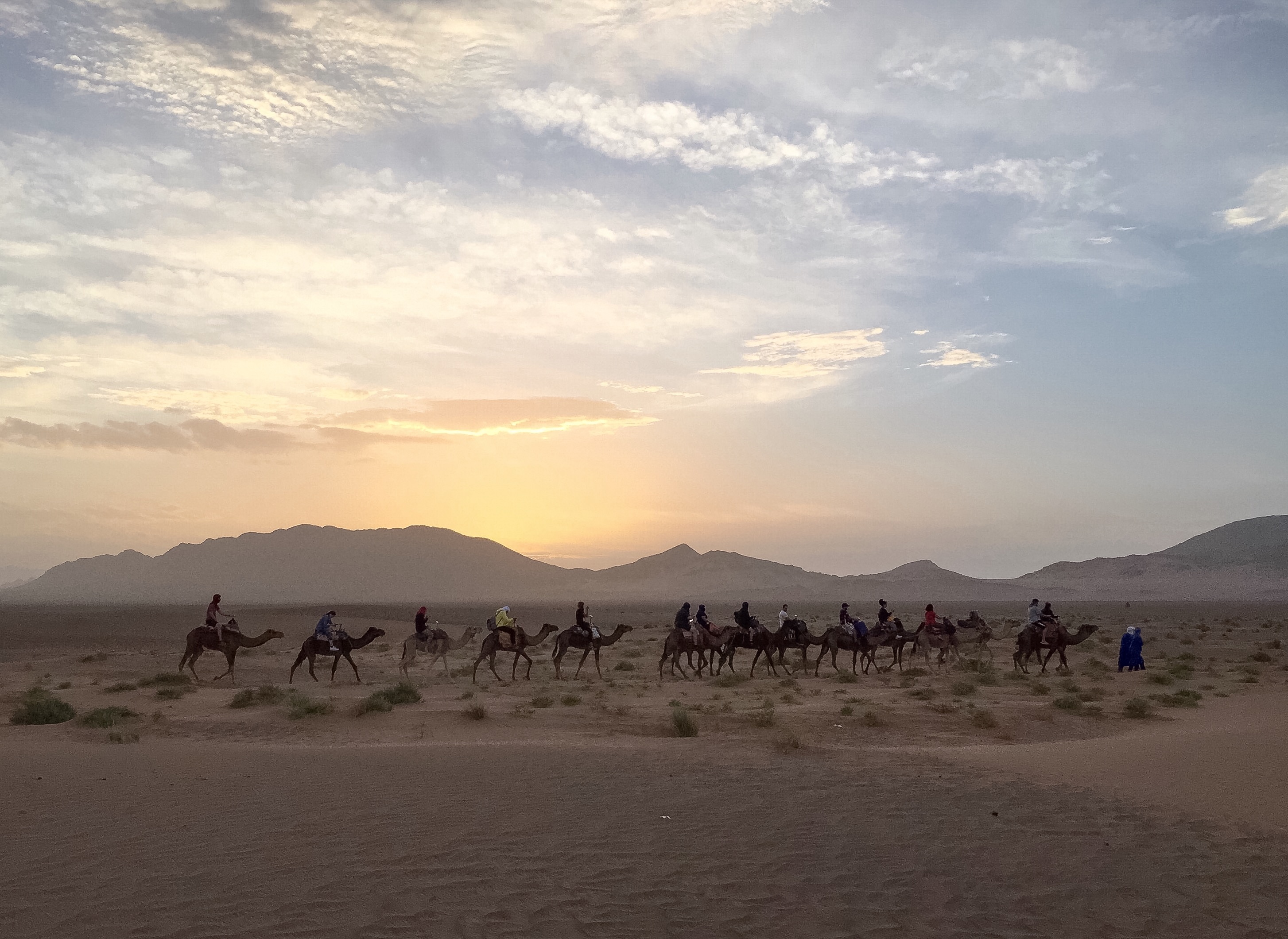
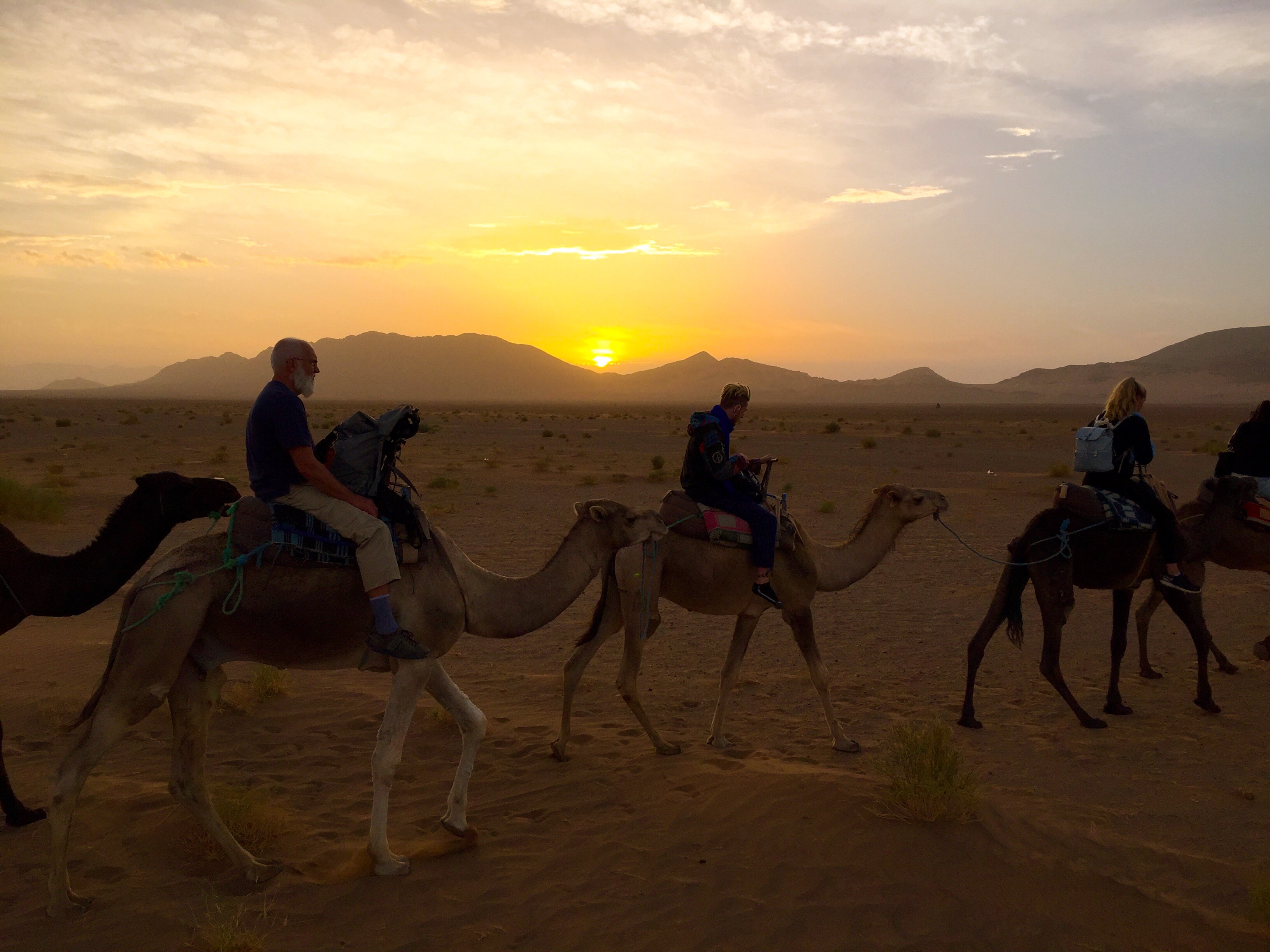
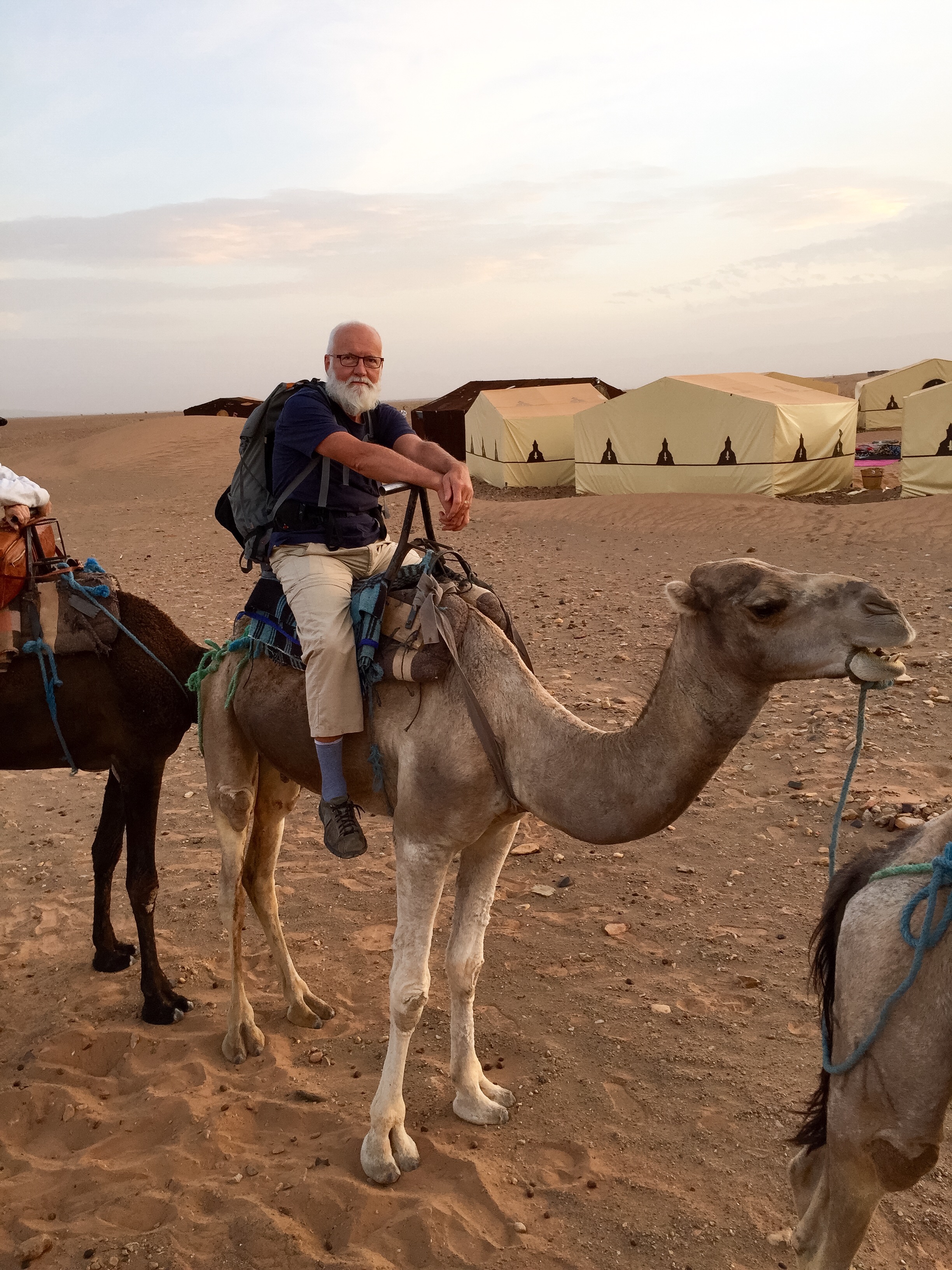
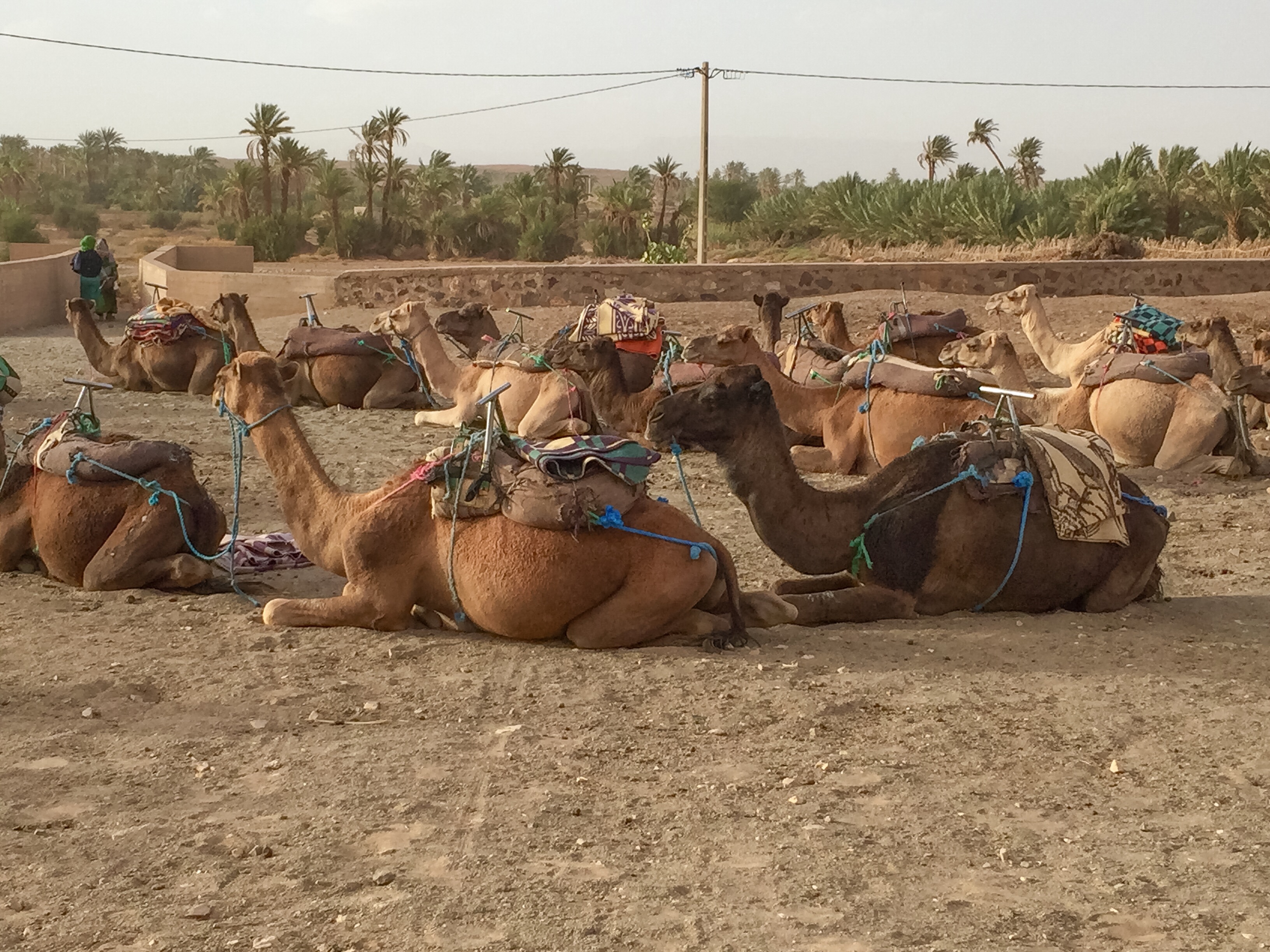
  • Have we only been in Morocco for two days? We've done so much in that time. Back to the camel ride. We gallomphed into the sunset in our caravan until we arrived at camp. Actually we were heading out of the sunset but 'into' sounds better.

    Image

    Image

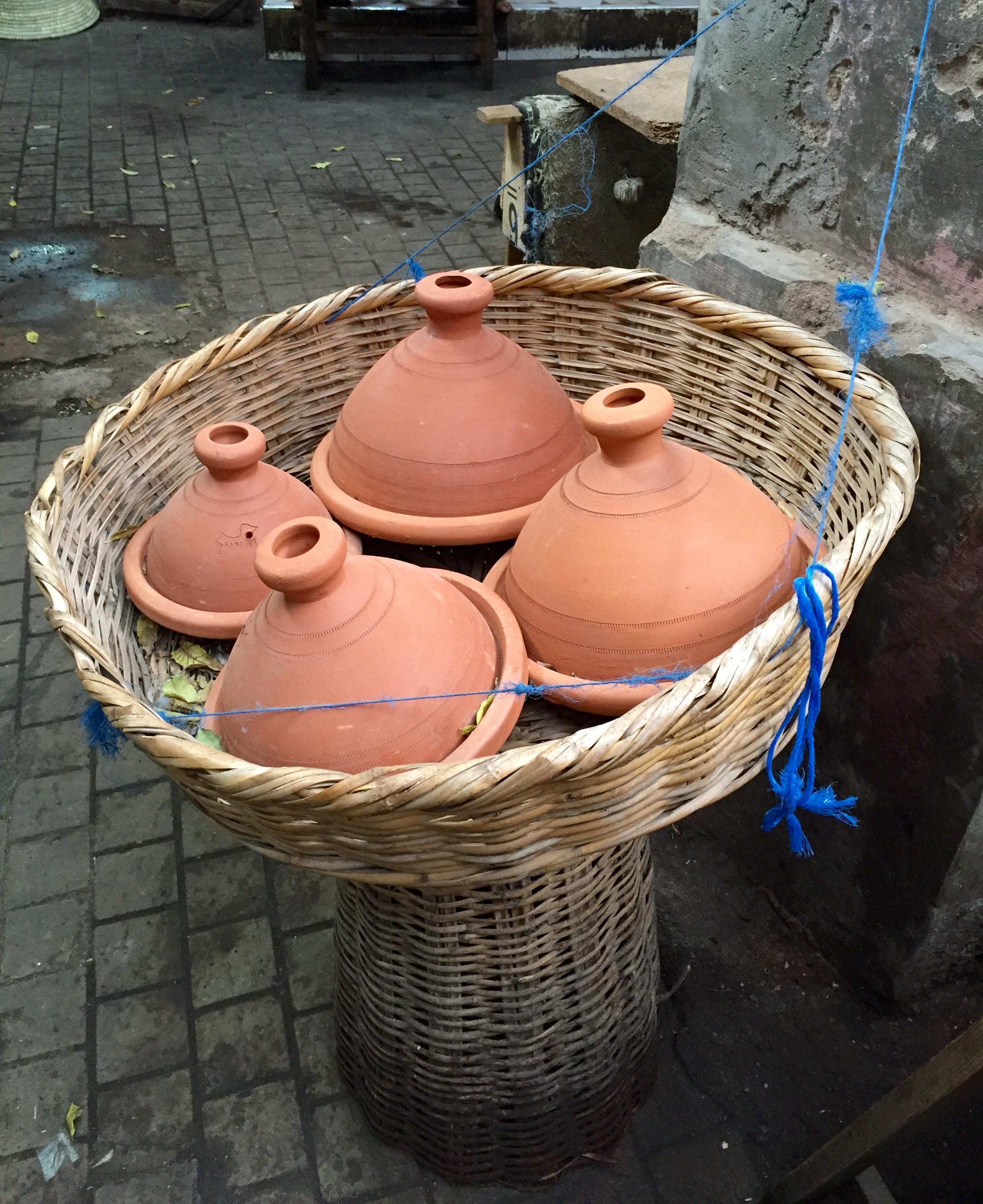
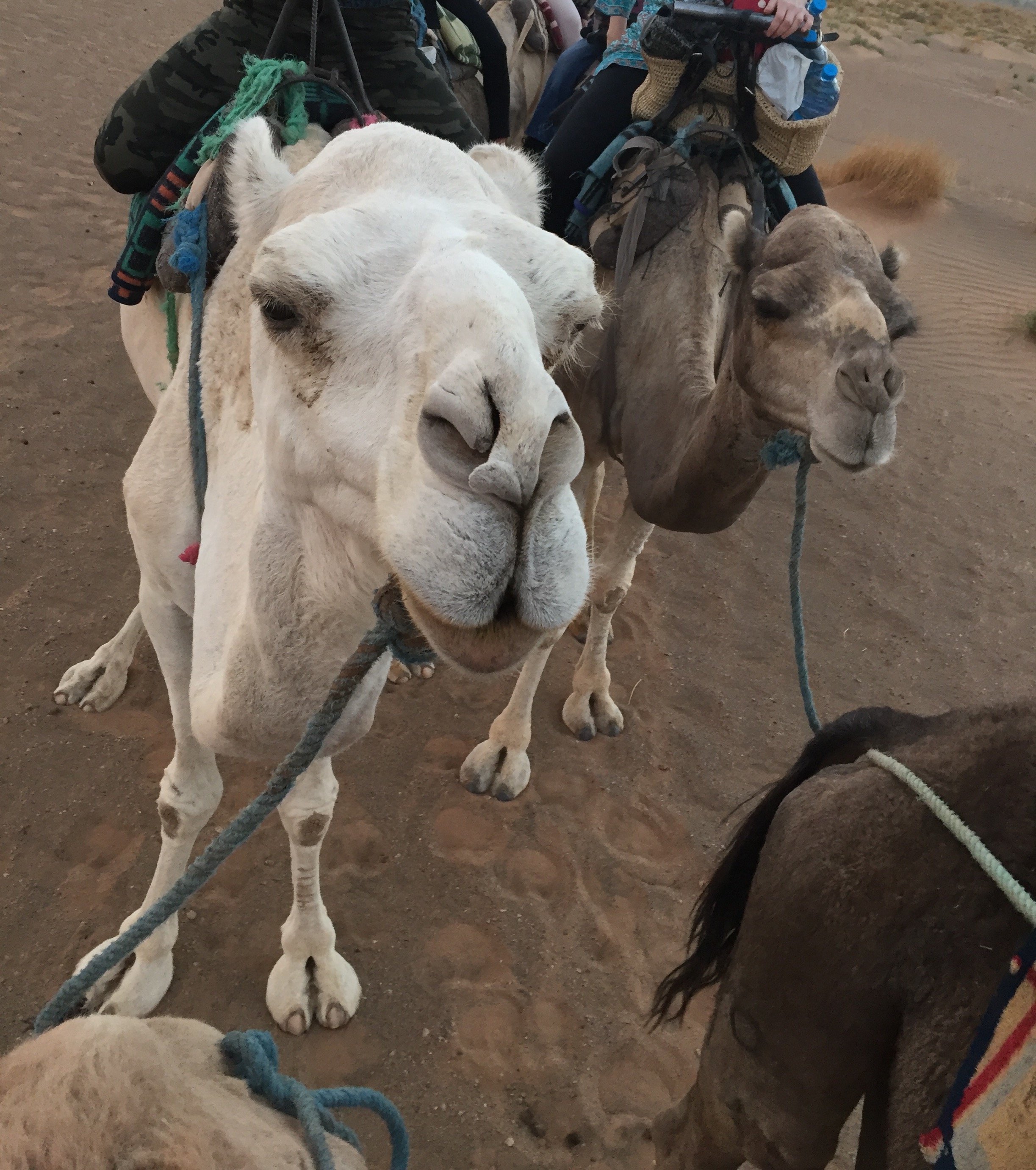
    Look at their soft little two toed feet, not shod like horses. Speaking of camels and horses, we saw both on the menu as burgers in Marrakech restaurants. No way!

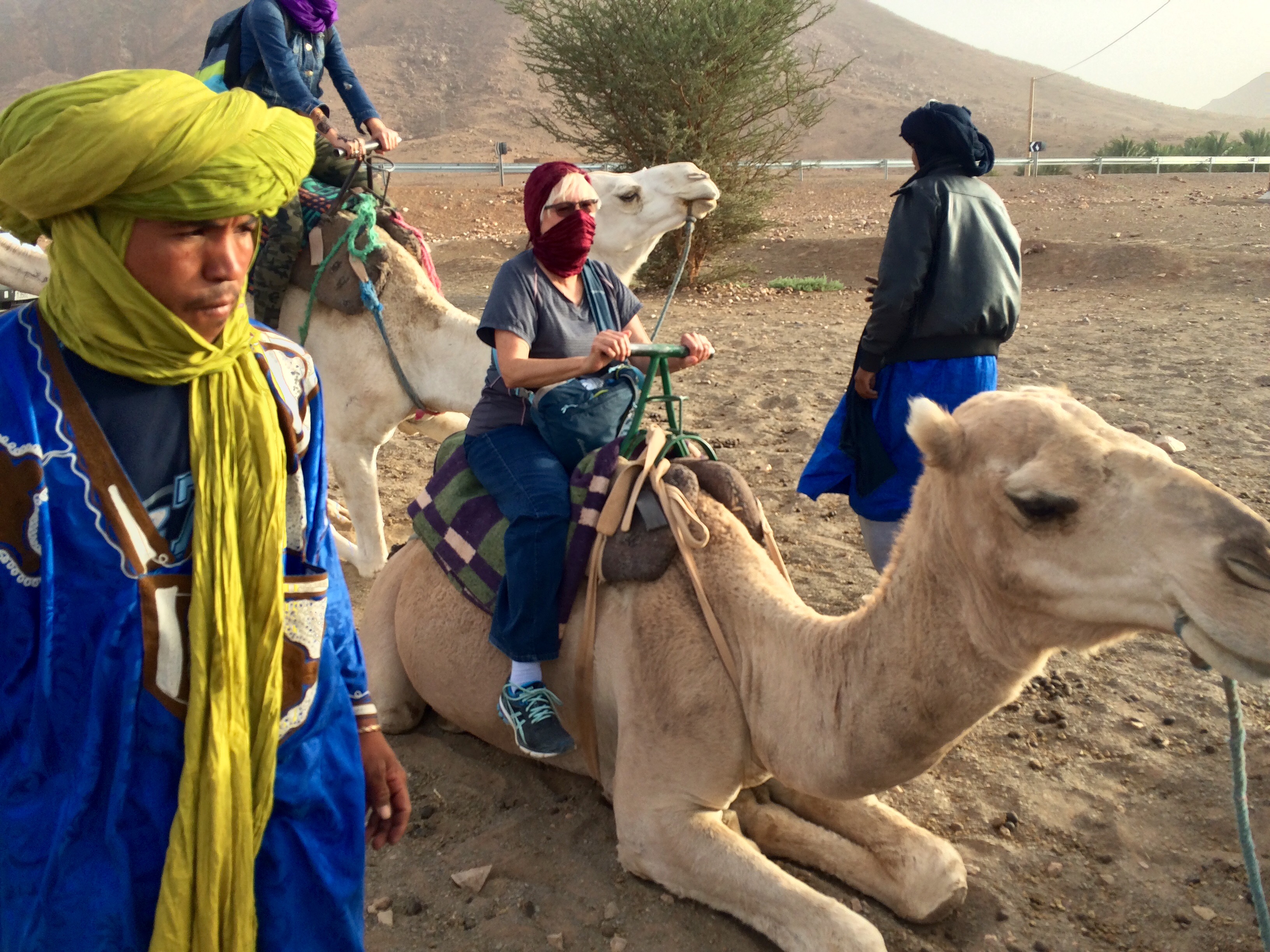
    Although it only took an hour and a half to get to camp, it was not without incident. You have to be somewhat fit to ride a camel, it's definitely a body stressor. I wouldn't recommend it to anyone with lower back or hip issues.

    A woman toward the front of the line, one who appeared maybe not in the best of shape started complaining of back pain. A couple of minutes later she passed out on the camel. It's a long way down to fall, but the guides managed to get her off without injury. She came to, had a little vomit session and felt much better. She was still overheated and carsick from the ten hour trip; throw in some serious back pain and voila, slumped on the hump of a camel on the Sahara. 

    She walked the rest of the way as did four people the next morning who refused to mount their single hump steeds. Seriously, one young gentleman couldn't make it for dinner that night due to pain. If you ever ride a camel I have one piece of advice: don't grip with your knees.

    I was pleasantly surprised that the camels weren't stinky nor did we experience any spitting dromedaries. They were sweet, placid creatures.

    Image

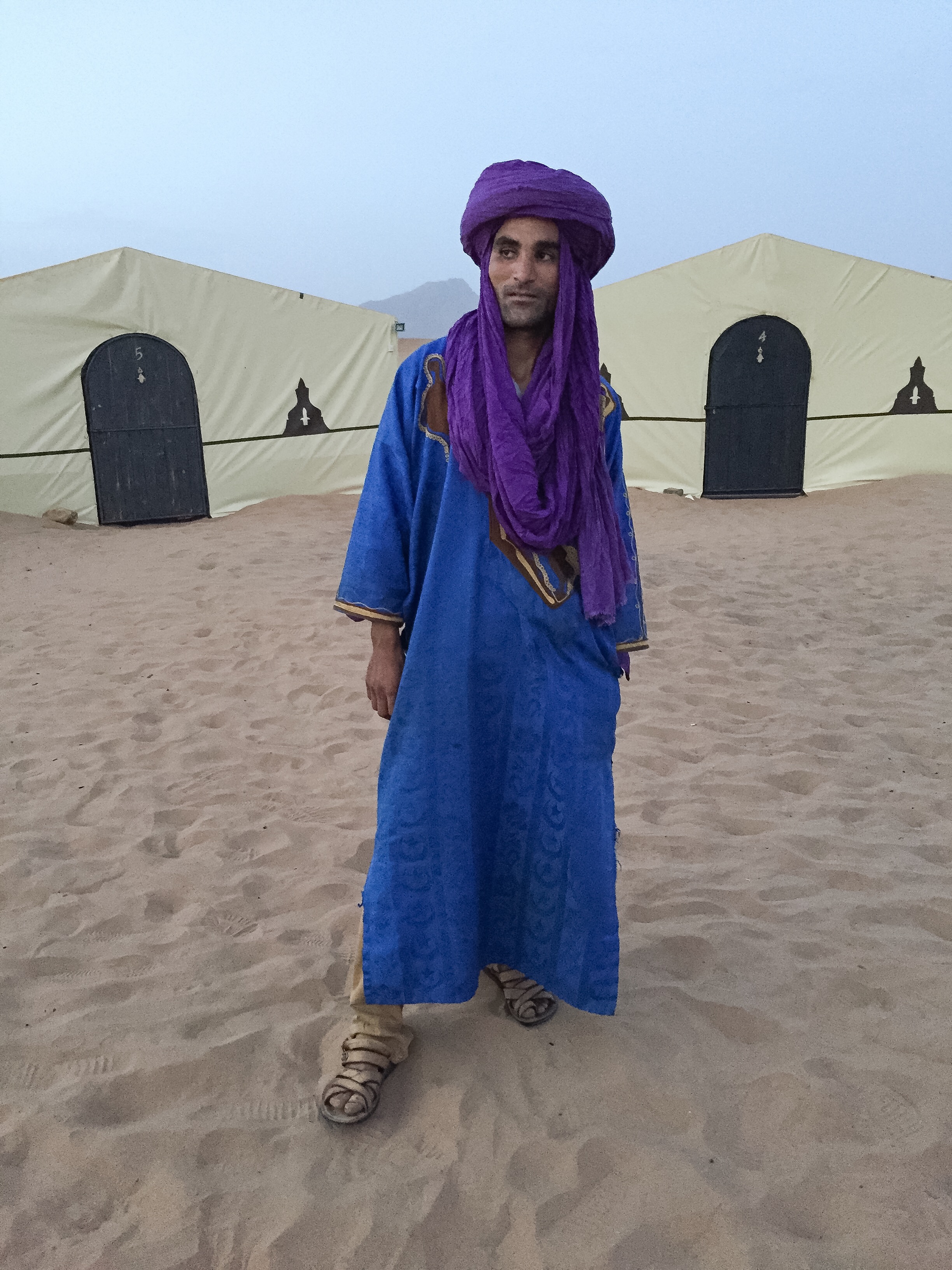
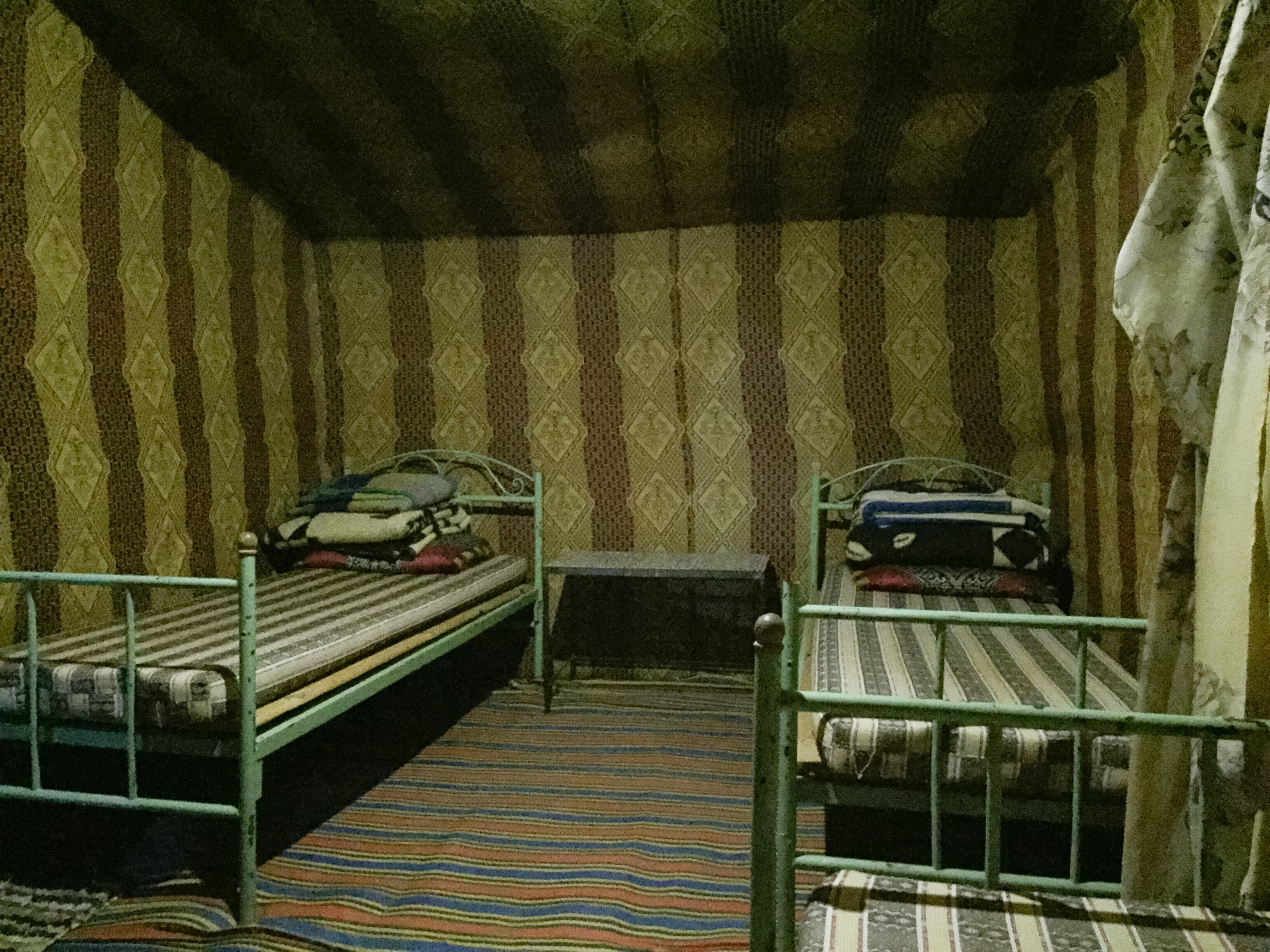
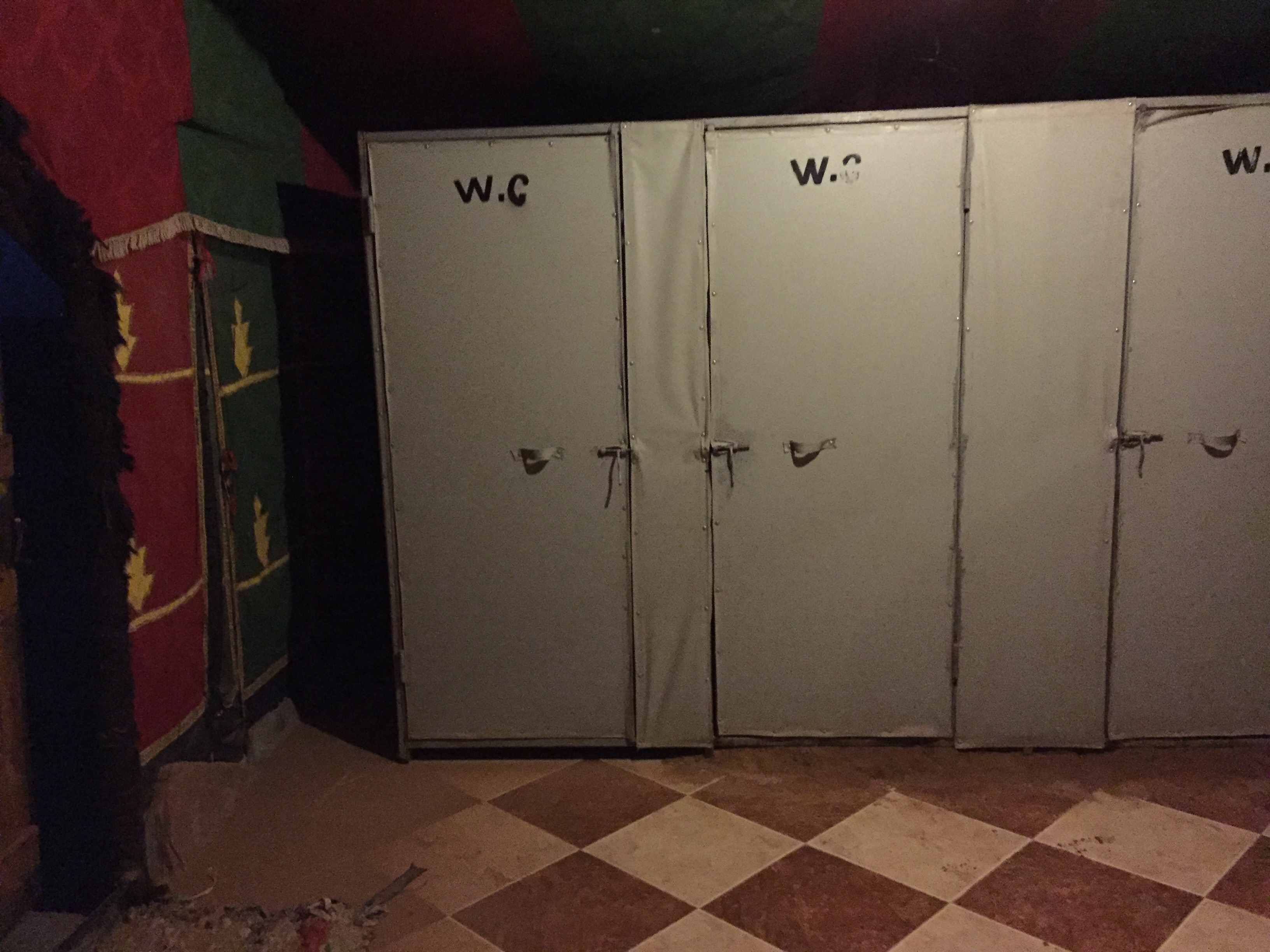
    Meanwhile, back at camp, we were shown to our tents which contained four single beds, blankets and a pillow. Another suggestion: bring a sleeping bag liner as there are no sheets. C and I had a tent to ourselves. The bath house was separated, male and female, and contained showers and three stalls each with toilets that flushed twice during our stay. There was also a sandpit for burning toilet paper.

    Not exactly glamping, but there were electric lights and a power bar in the dining tent to charge our cameras.

    Image

    Image

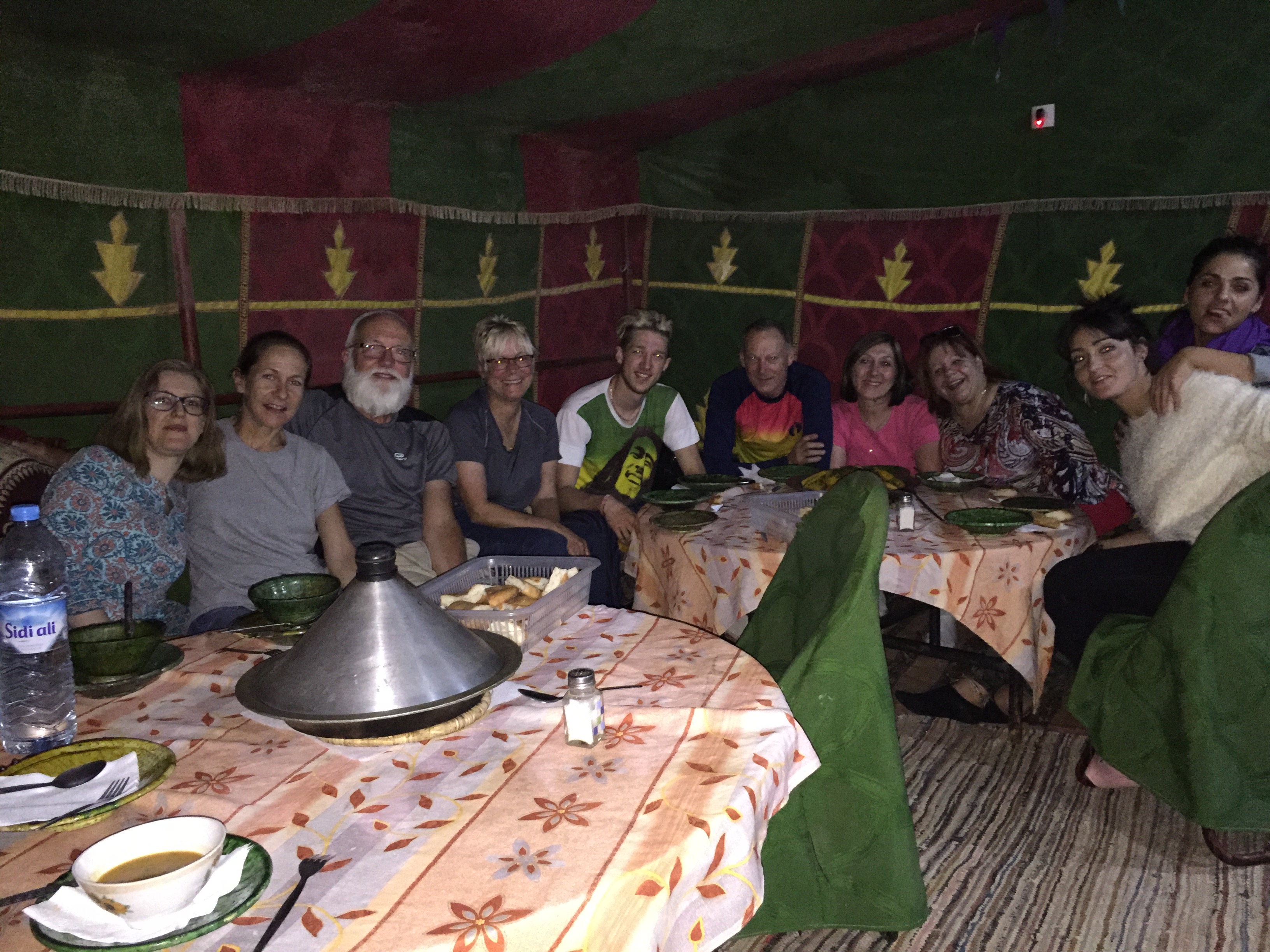
    The Berber style camp was nearly full with 28 campers and a half dozen staff. We had a delicious dinner in a central dining tent: sweet and strong Berber tea, harira (a blended lentil soup), flat bread, chicken tagine with lots of carrots and potatoes and tangerines for dessert. Nobody went away hungry. What a change from Spain: no wine, pork ham or Diet Coke for days.

    Image

    Canpfire followed with the staff performing Berber drumming and songs.

    Without any light pollution the sky was filled with stars. The Milky Way was in view and we watched shooting stars over the Sahara. I was glad to have the Night Sky app on my phone, which works via GPS and requires no connection,  to let us identify the constellations overhead. 

    We were invited to drag our mattresses onto the desert to sleep under the stars, but we passed, as there were very occasional sprinkles of rain that blew quickly away. 

    Tomorrow: the trip back. 

  • I never thought I'd hear myself say that I'm going to spend a night in a Berber camp on the Sahara and we'd be riding camels to get there. Today's the day, it looks like it's really going to happen.

    We were picked up by a driver at 7:00 am, dropped off at the staging area for mini buses, a modern caravanserais. Off we went with another dozen fellow campers from Argentina, Italy, England, France, Spain and Morocco, for a ten hour trip to Zagora, one of the Moriccan gateway cities to the Sahara Desert.

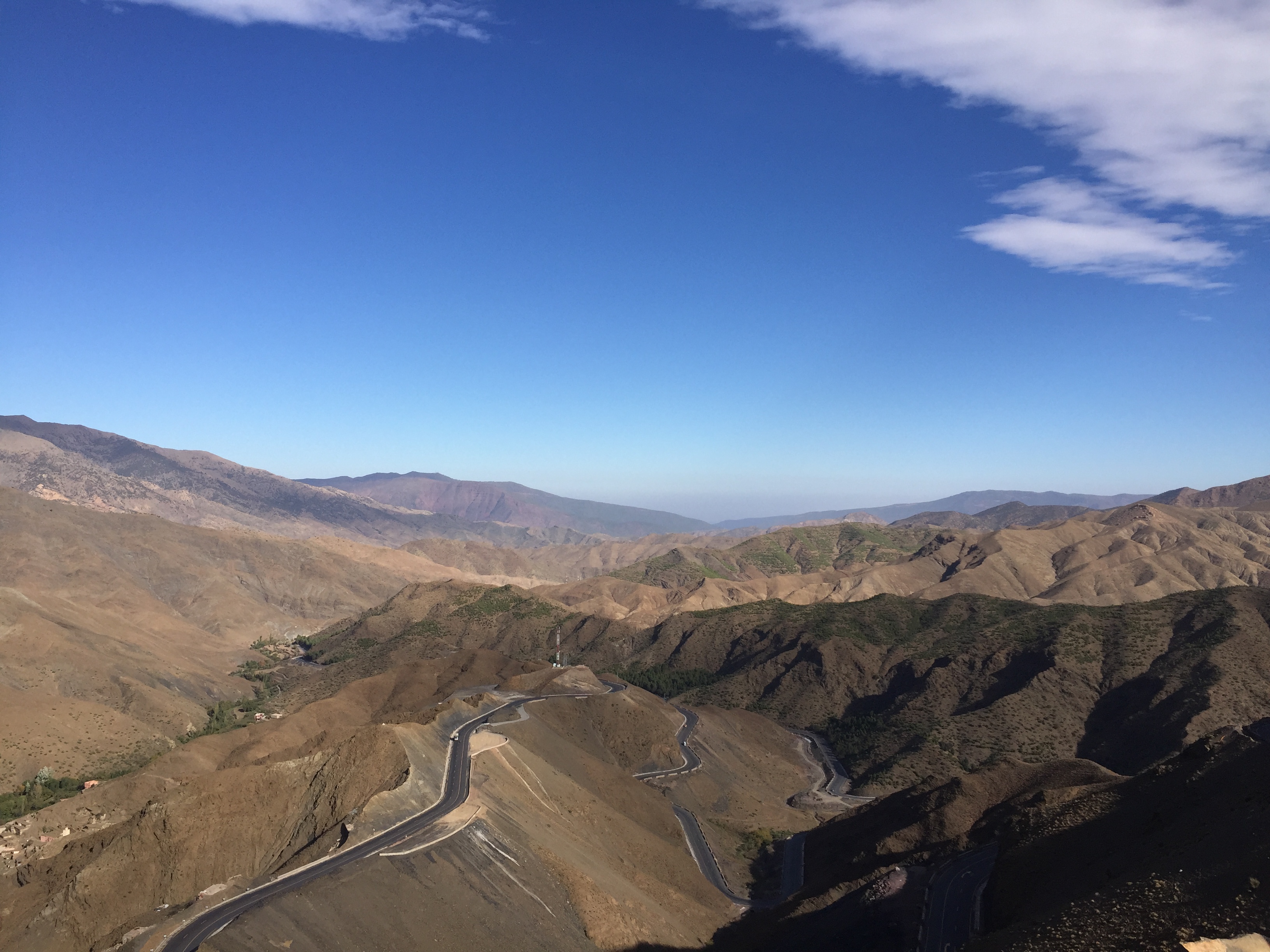
    Ten hours, 34 degree heat, no air conditioning, we were all so excited it didn't matter. 80% of the ride was on twisty mountain roads with a driver who felt he could straighten out some of the curves by driving in the left lane. As I said we were all so excited it didn't matter. He also passed every vehicle we encountered on those roads, including semis and full sized buses, paying no attention to the solid line in the middle of the road. It's a good thing we were so excited. 

    Image

    Image

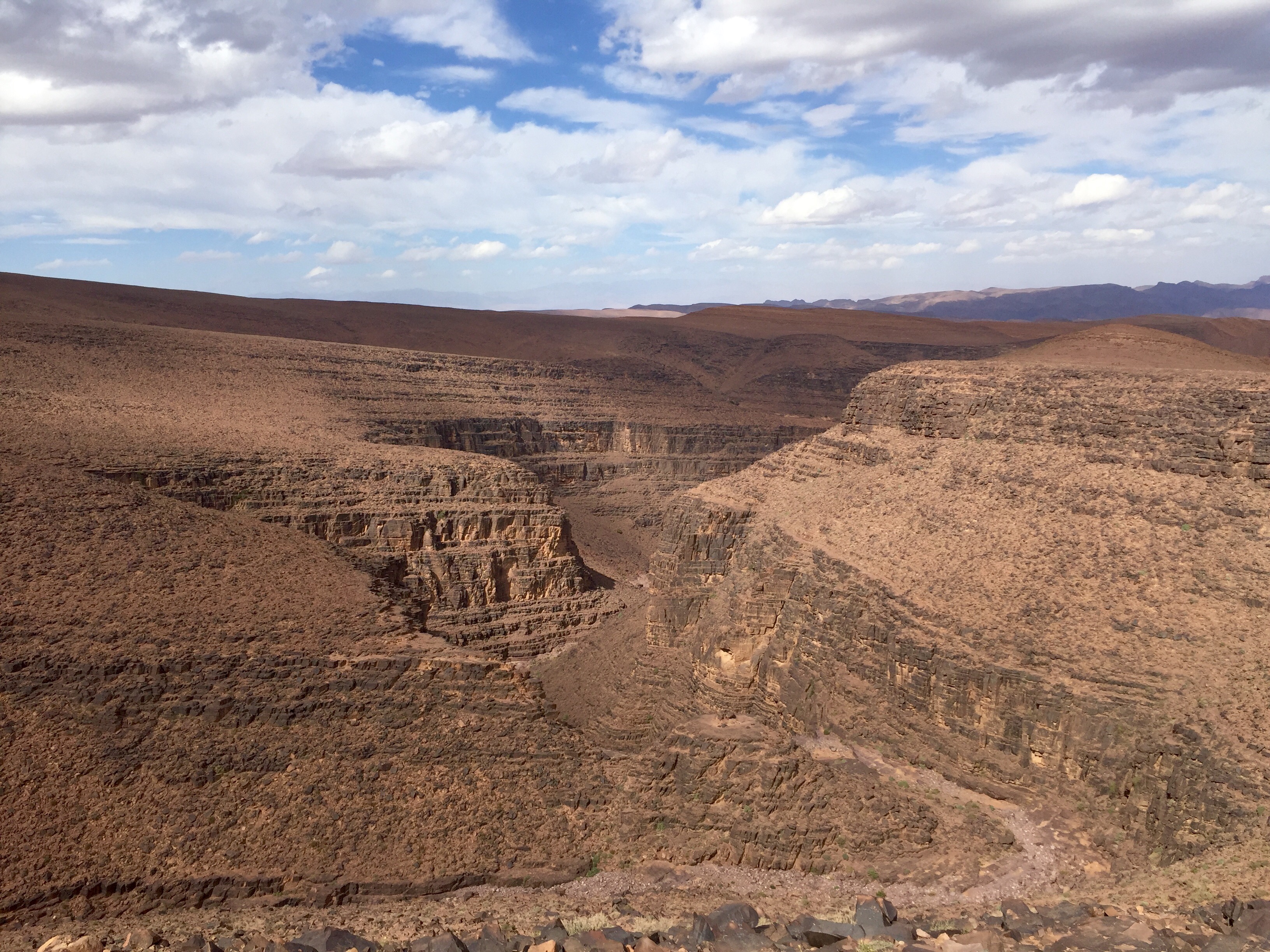
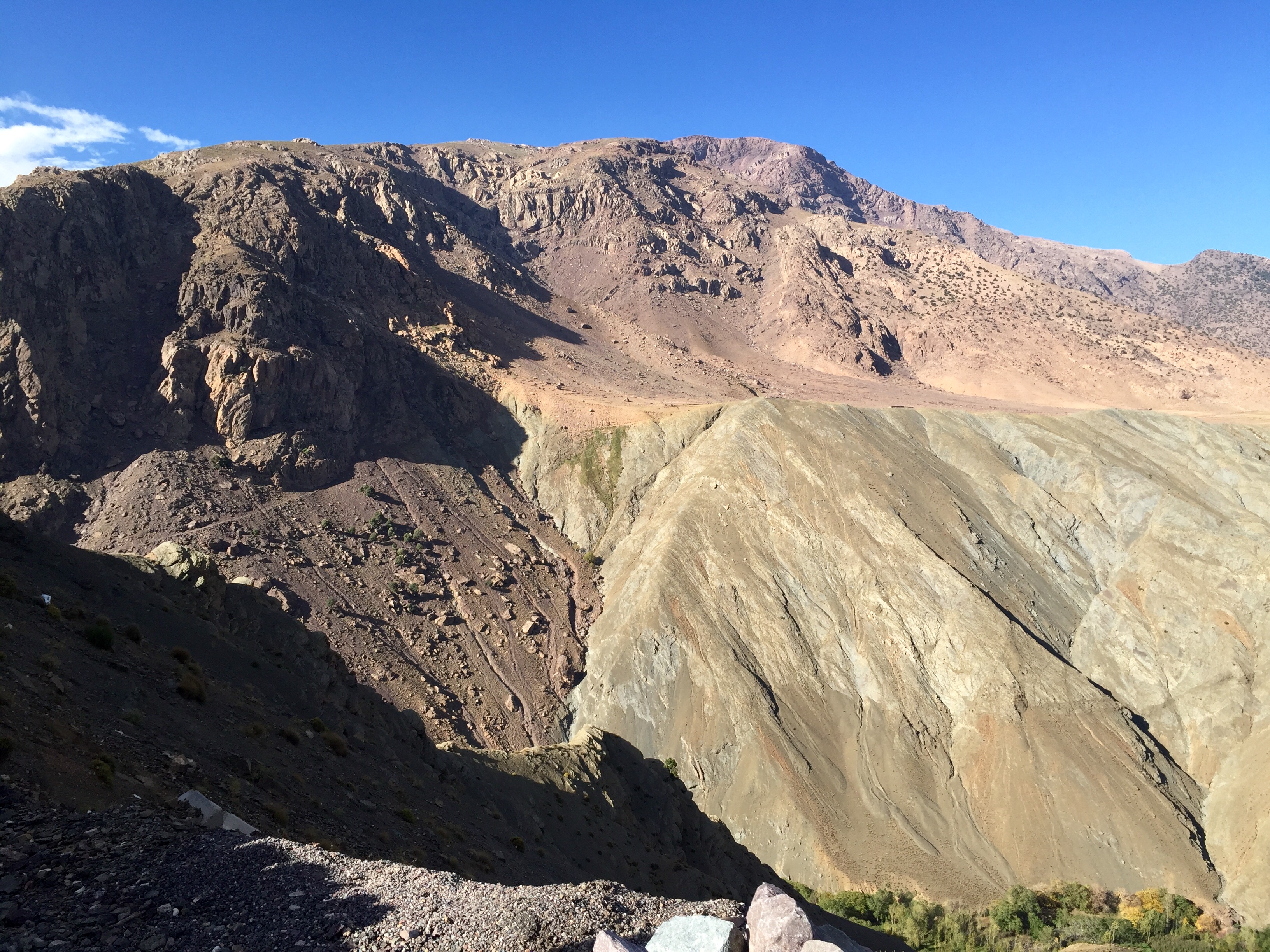
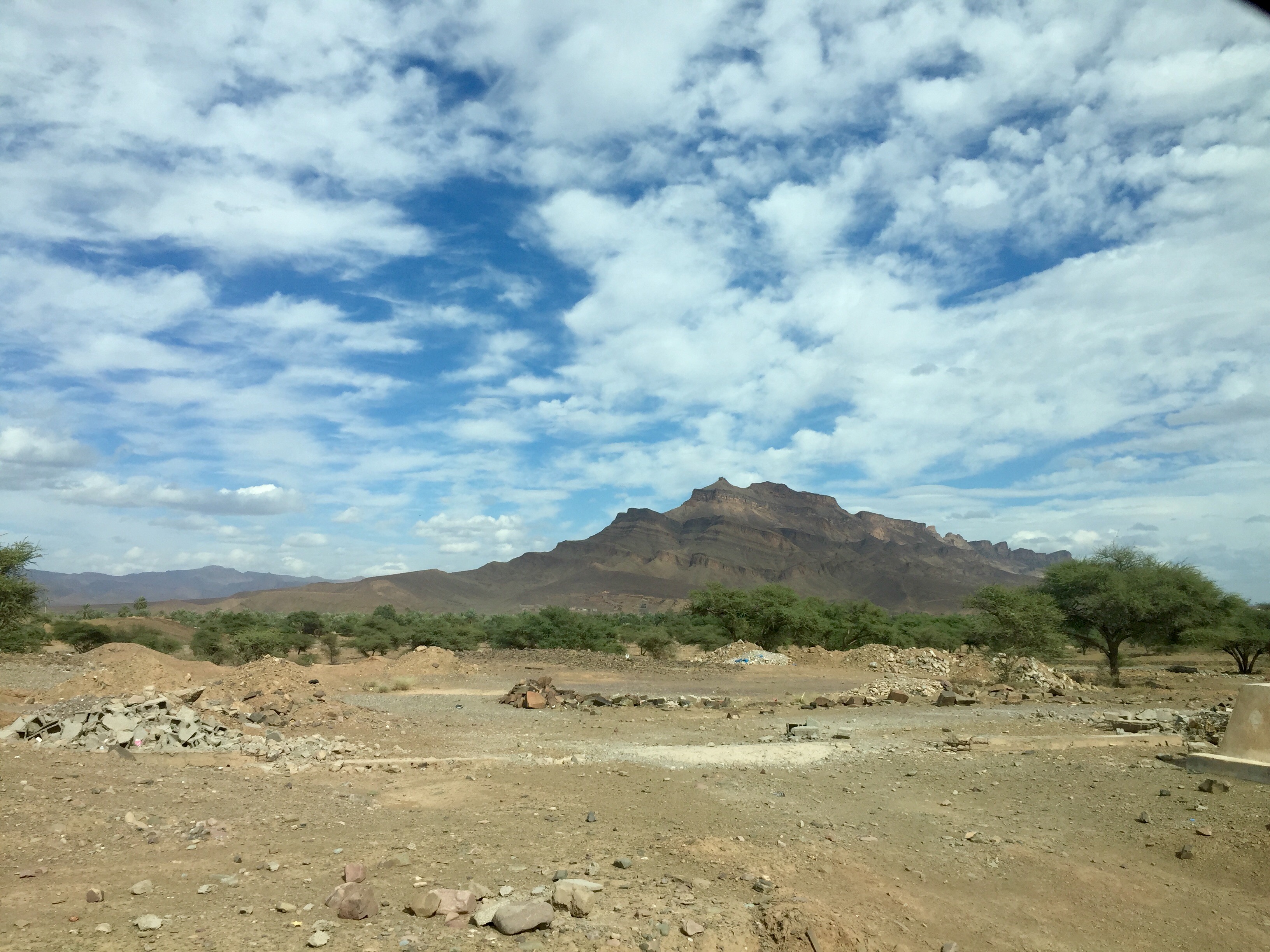
    Who knew there were so many mountains between Marakech and the Sahara? Good thing for Dramamine.

    Image

    Image

    There were many stops scheduled for photo opportunities and washroom breaks. We had a mediocre lunch in the town of  Ouarzazate, Morocco's film capitol. Any desert film you've ever seen pribably had a bit of its filming and production here: The Bible, the Prince of Persia, Gladiator, Game of Thrones…

    Image

    Another three hours hours and we were most happy to meet our camels.

    Image

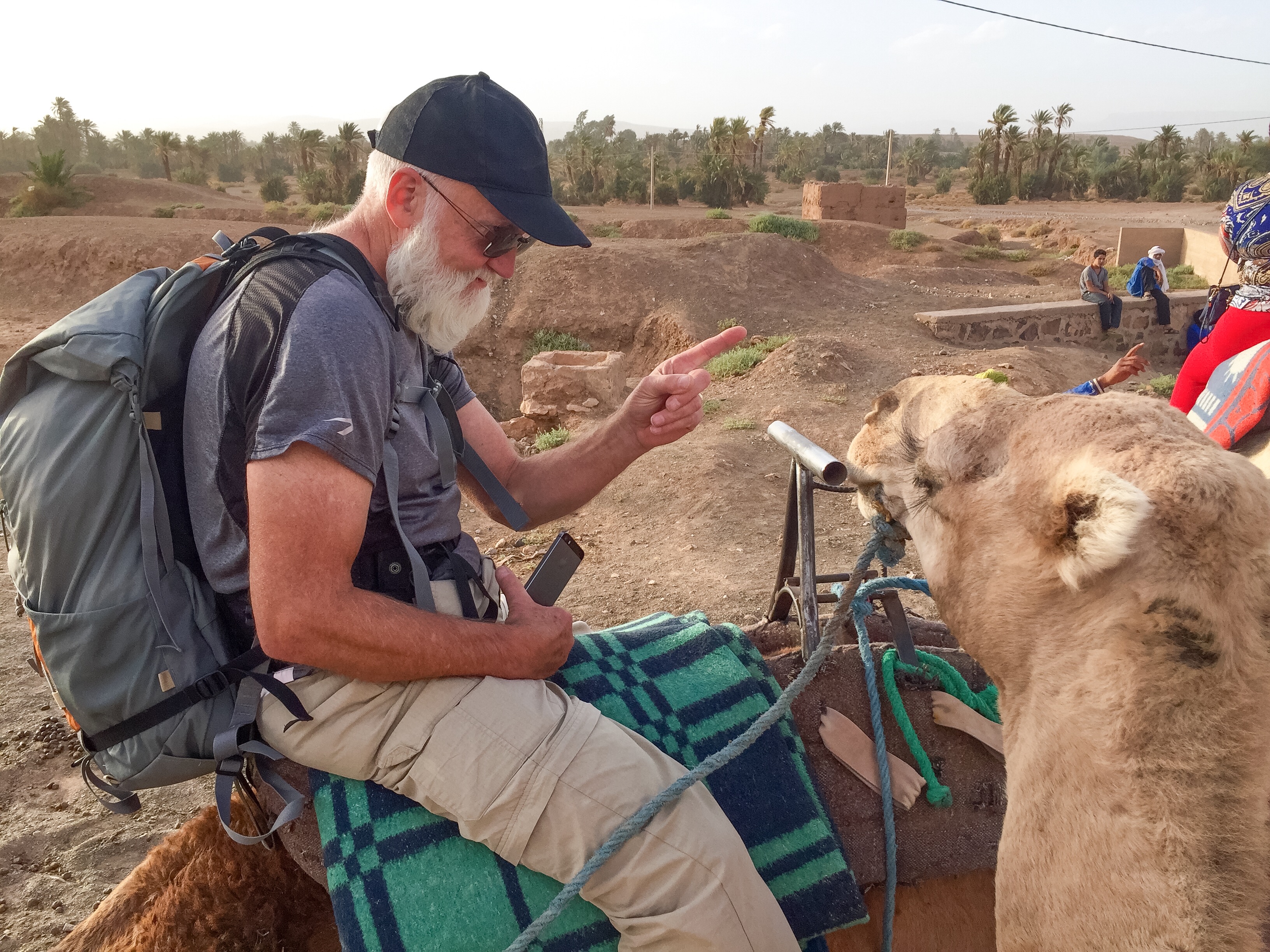
    Chuck instructs my camel not to even think about spitting:

    Image

    Hey, how do you start this thing?

    Image

    Ever wonder how a camel stands up? it's a four stage process.

    Or how it scratches itself?

    Riding a camel is nothing like riding a horse. First off, they are much wider. Then there is a constant rolling motion. Flat ground is fine, uphills are ok, but those downhills are downright painful.

    More dromedary fun tomorrow.

  • Chuck has a new persona. No longer called Hemmingway, as on the Camino, in Morocco people call to him "Ali Baba!" It's the beard. 

    Back to the tour. We walked through the Jewish Quarter ins on to The Bahia Palace, built in the 1800's by Si Moussa, the Grand Vizier of the Sultan, and named for his favourite wife. It's good to be the favourite wife. 

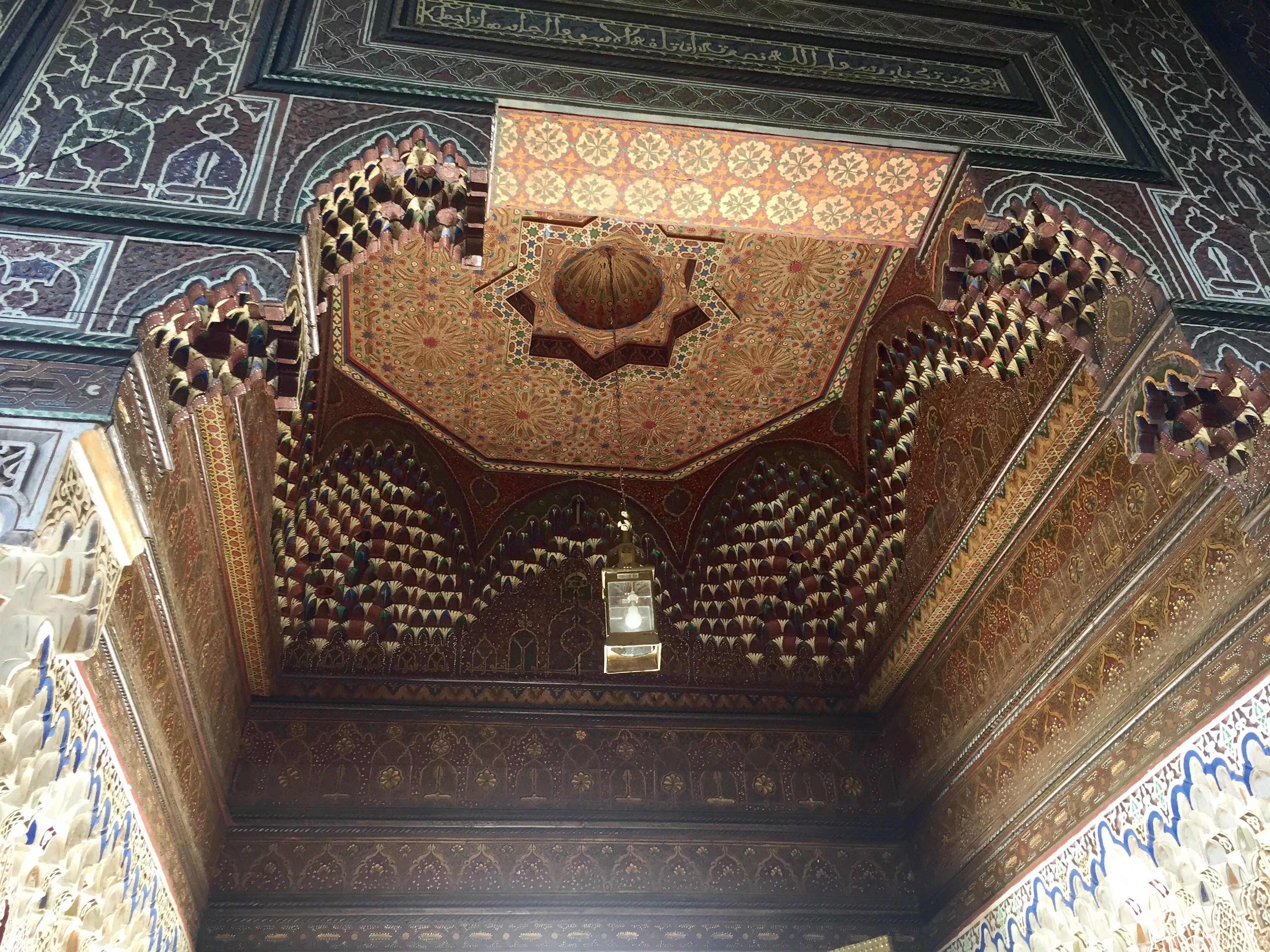
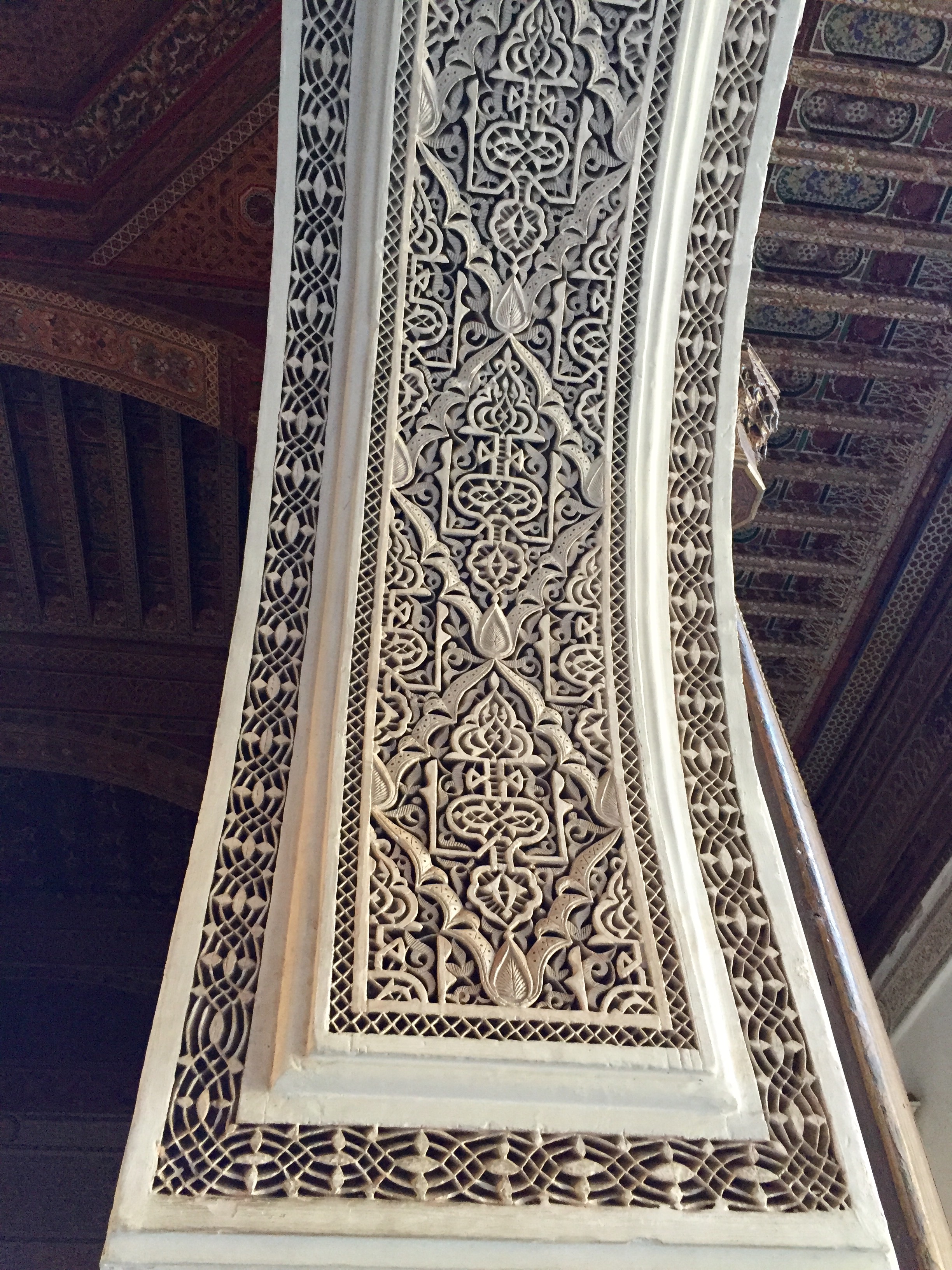
    The detail in this building was spectacular, particularly the ceilings, something we don't pay much attention to in North America. But when they are over 20 feet high, the room feels airy no matter how decorated the ceiling.

    Image

    Image

    You'll notice the geometric patterns and shapes in the artwork, as depiction of the human form or animals is viewed as idolatry and is not allowed in the Sunni Islamic faith.

    Skirting the large city square, Jamaa el Fnaa, we'll come back after nightfall when things get lively with snake charmers, storytellers, snail eating stalls and other food and entertainment 

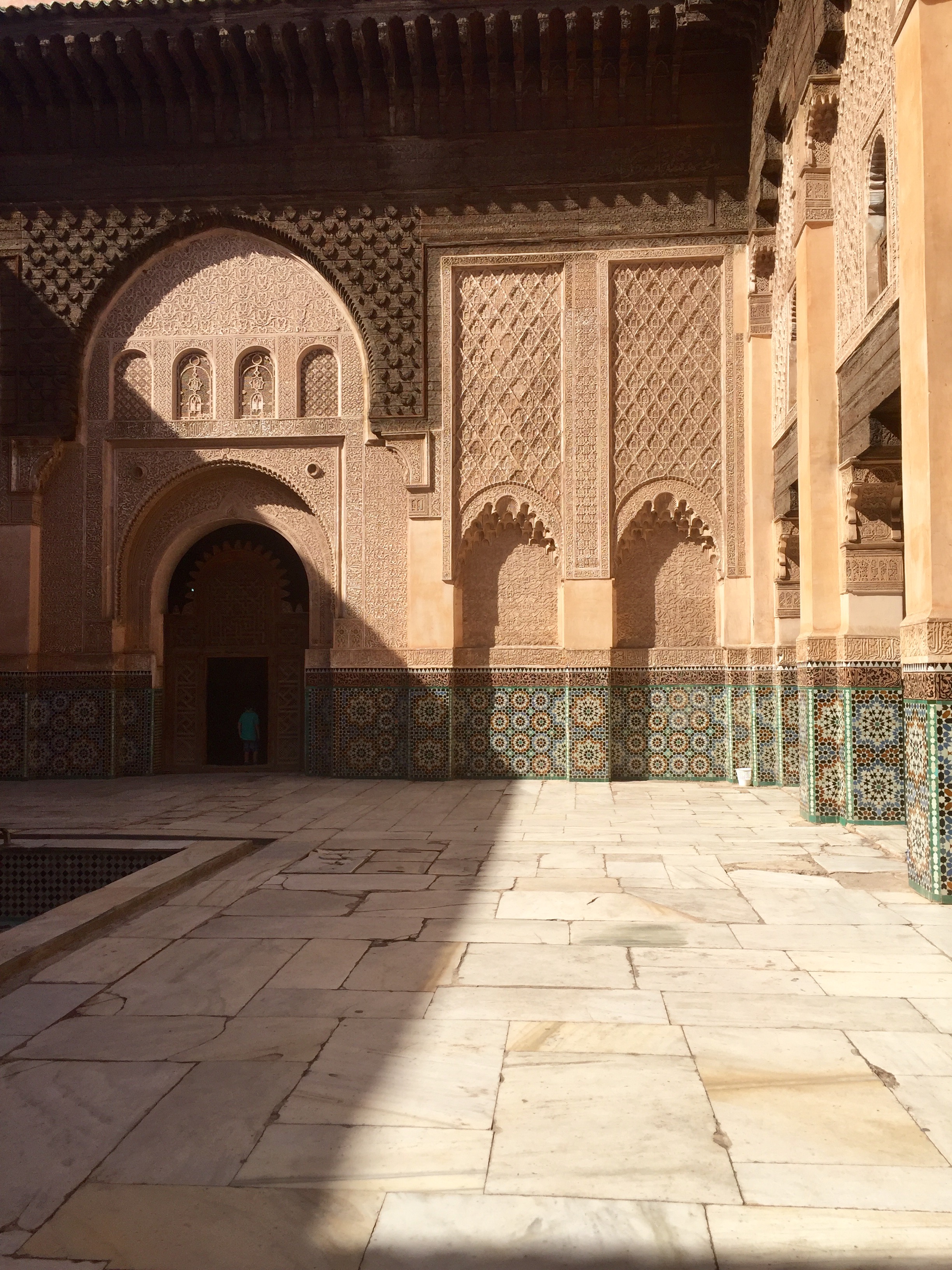
    We wound through the souks in the marketplace and found the Ben Youssef Madrasa, an Islamic college founded in the 1500's. the word 'ben' in a name means 'son of.' C's last name, instead of the Scandinavian version, would be Ben Bo. Someone has to think about these things πŸ˜‰

    Image

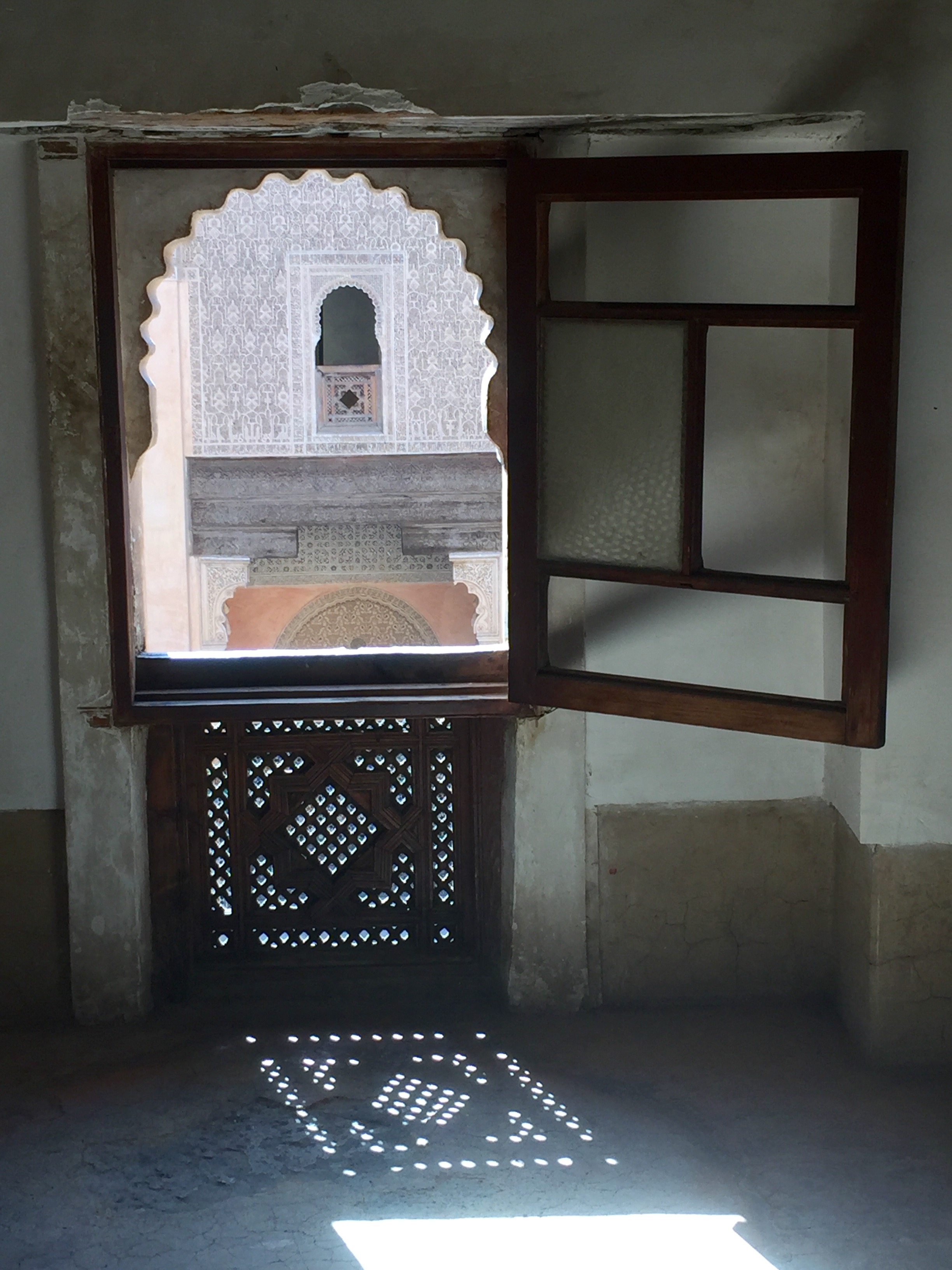
    View from a 16th century dorm room:

    Image

    Walked a little way more by the Hammam  (public baths), still used today. Women's hours are during daylight and men's at night. You scrub up with black soap a use an exfoliating glove. Massages are available. Underneath a man keeps the fire stoked, by shovelling sawdust into a furnace with his bare hands, to heat the water. In the ash are buried tagines, someone's dinner-to-be. He is also a renowned musician. C had a lesson in tassel twirling:

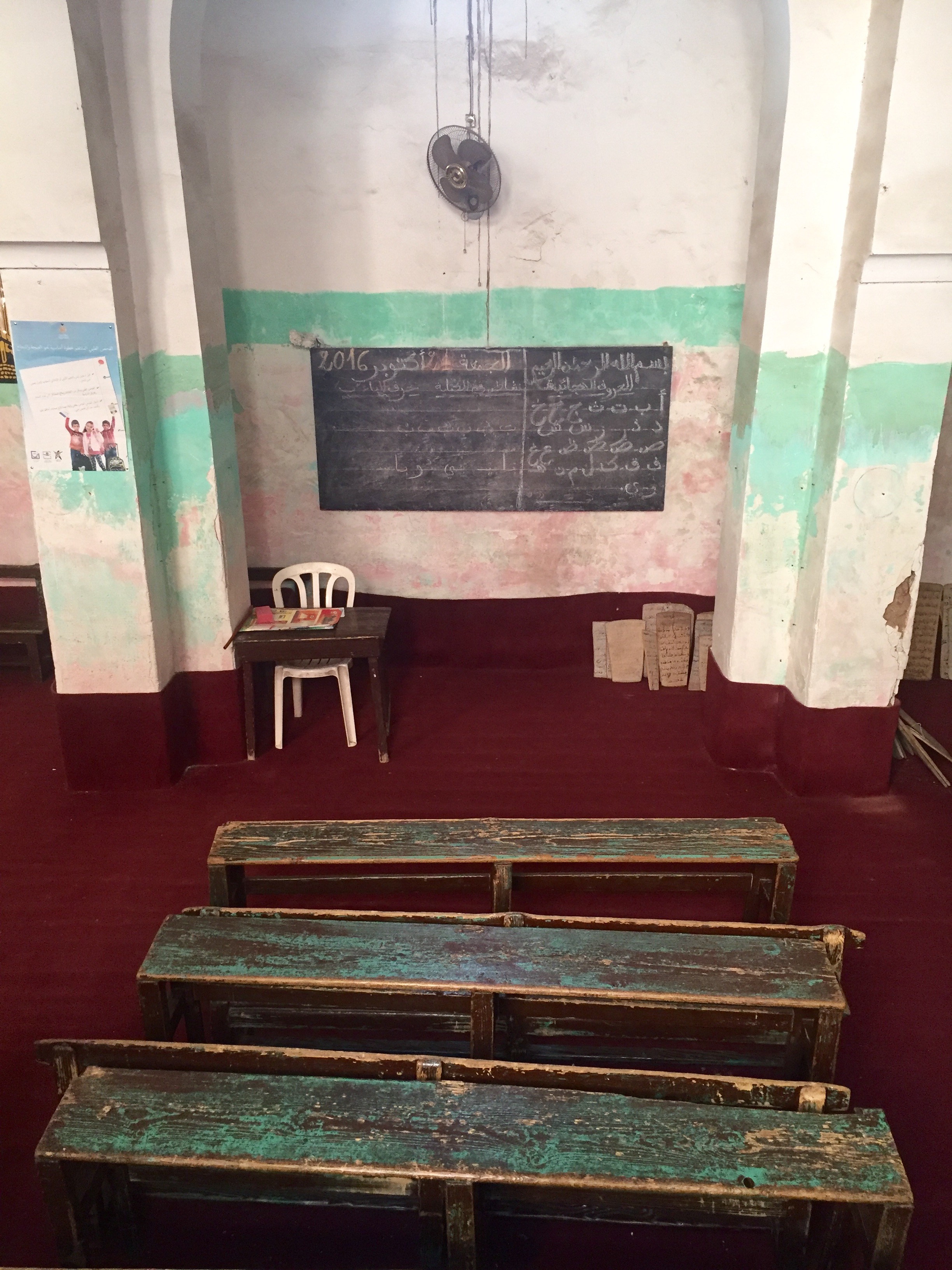
    One more stop at "the Stork House," a mansion donated by a western woman for the purpose of turning it into an arts centre, then past the Koranic school still used today:

    Image

    We said goodbye to Nour, our excellent guide an ambassador for Marrakech. 

    Image

    After the your we successfully found my first African geocache, just 60 meters from our riad. It had a lovely story. A family, concerned about the lack of water available to the poor, installed a water spigot outside their little business, for anyone to access. The older generation has passed, but the adult kids keep up the tradition. They also maintain the cache, which is owned by a friend in Germany.

    Tomorrow Ali Baba and I are scheduled to leave for our camel camping trip on the Sahara.


  • This is how we were awoken at 6:00 a.m., all was dark.

    It's the Muslim call to prayer, heard five times per day. We didn't realize we were so close to the loudspeakers in the mosque's minaret. When you think of the intention, a call to prayer is a nice thing to be witnessing. It seemed to vary in length, one morning it was 15 minutes.

    We hired a licensed guide for a day of walking. Nour was an intelligent gentle man who is fluent in eight languages and knows another, but not to his satisfaction. We found that to be a common trait, multilingualism. Even in a small town we later visited, we heard the Moroccan server conversing with the customers at the next table in Japanese. 

    If you are visiting for a short trip, hiring a guide in advance is a wise decision. Beware of unlicensed young men in particular, persistently offering their services. They are illegal guides and tend to use unscrupulous methods to target your money. A licensed  guide must have a bachelor's degree or be educated in other languages, successfully complete a government training course and wear an official name tag. 

    Nour concentrated on history and culture, he educated us on shopping, but that is not his focus. We invited him to join us for lunch and had an interesting discussion on religion and life in Marrakech. The Islam practiced in Morocco is based on principles similar to other world religions. In fact one of the main tenets is to respect holy books including the Bible, the Torah and the Quar'an.

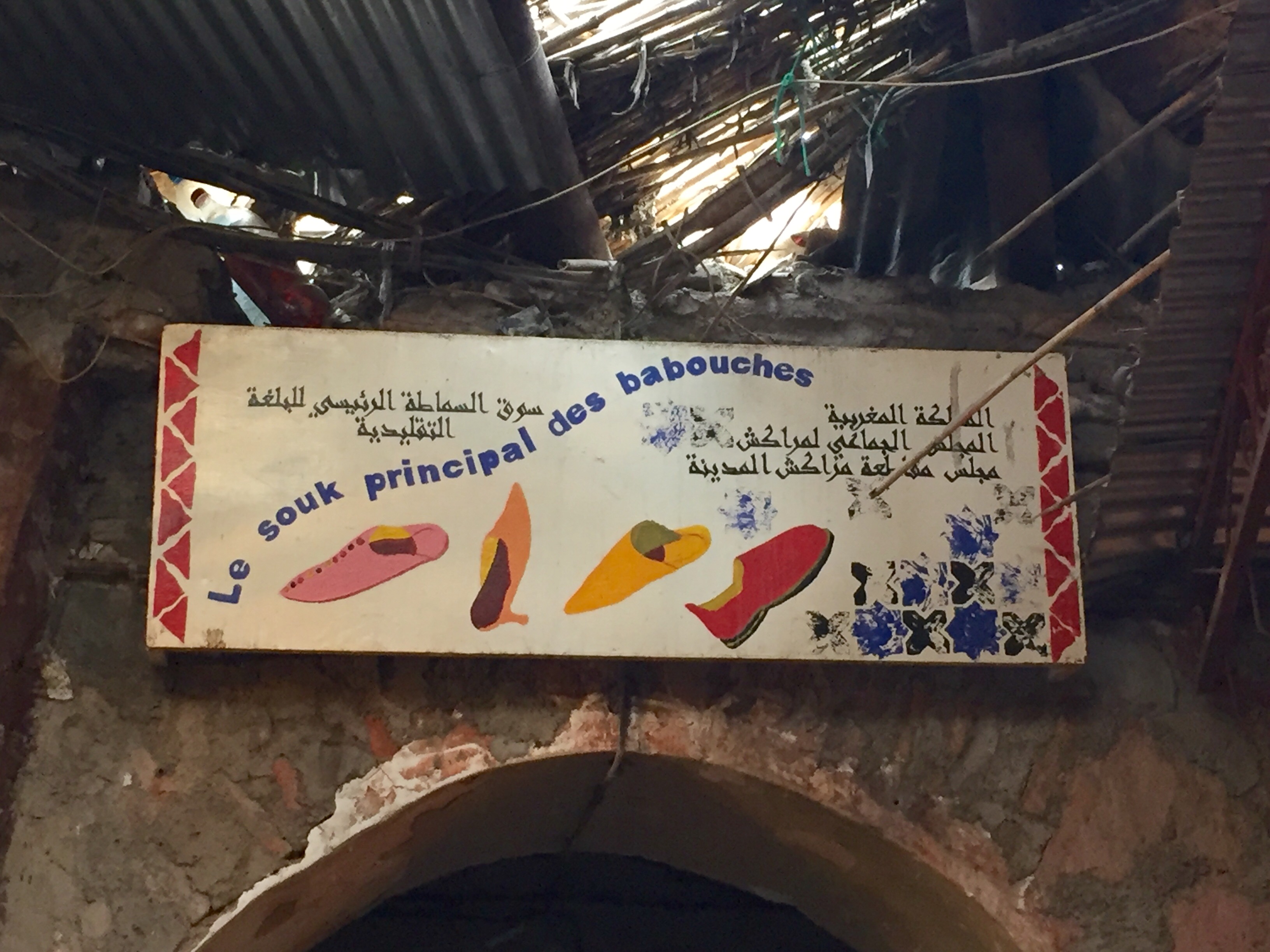
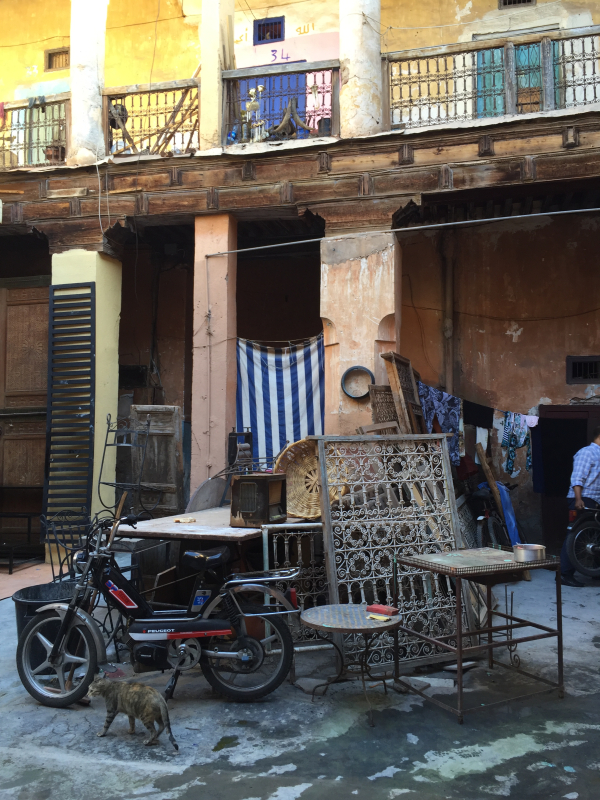
    We walked through the souks, the medina's shopping areas, each specializing in specific items: leather, metal works, spices and dyes, garments… More on that in a later post. We past caravanserais, the central point for organizing caravans for travel across ancient trade routes, along with accommodation for the people and animals involved. This one has yet to be renovated:
    Image

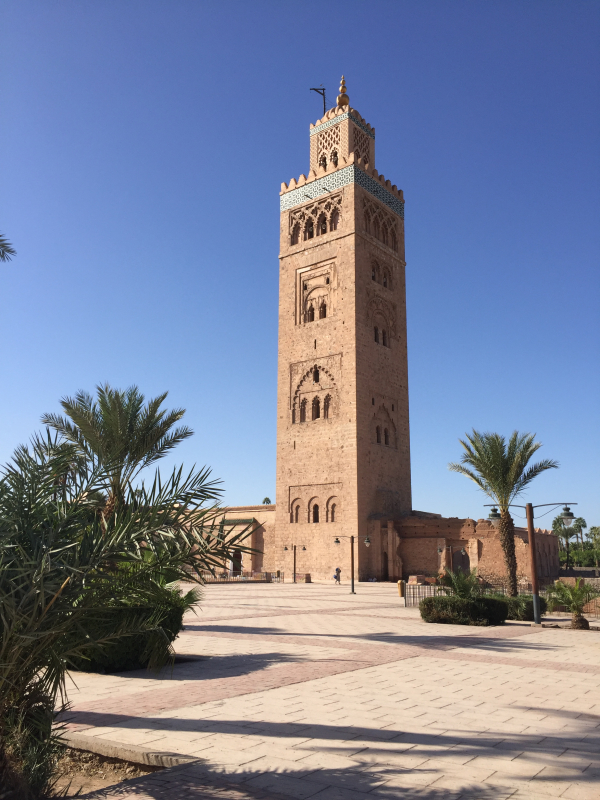
    He guided us to the Koutoubia Mosque and Minaret:

    ImageMinarets in this region are square rather than round. This mosque complex was originall built in th 12th century and was rebuilt when it was discovered the orientation to Mecca was off by five degrees. The new one is supposedly off by ten degrees. It's not an issue as those praying can adjust their position to be in correct alignment.
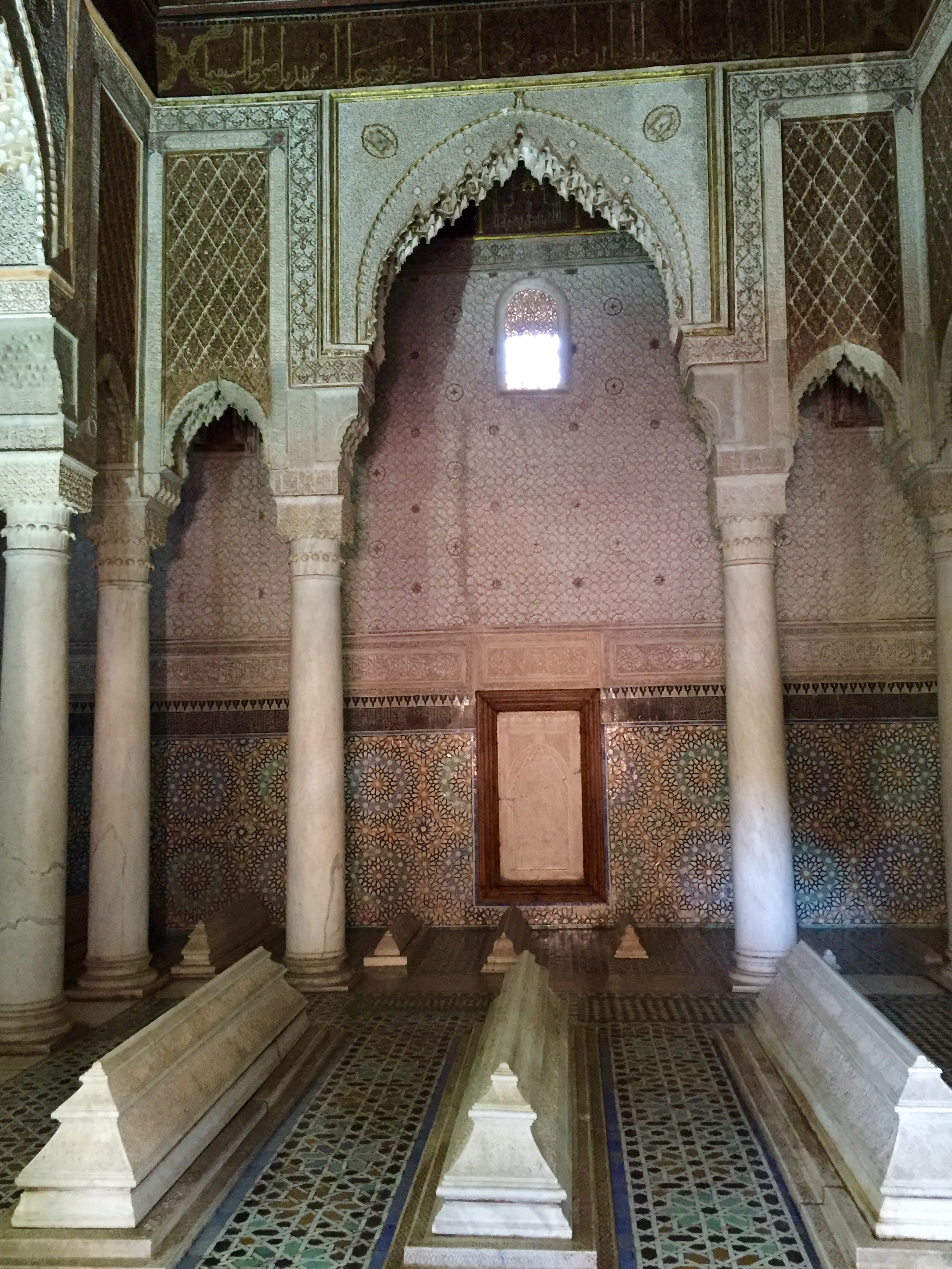
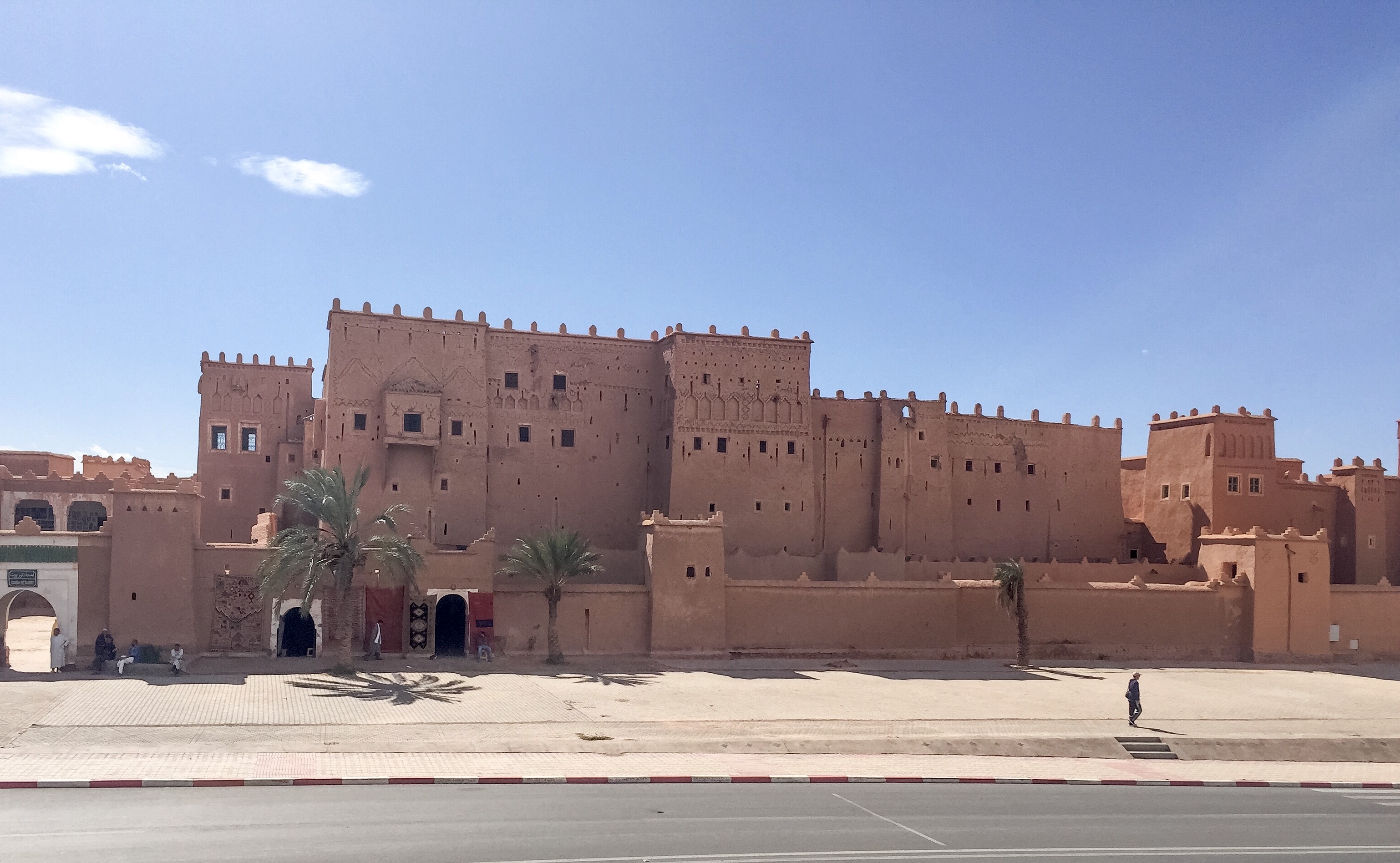
    Next was the 16th century burial site of members of the Saadian dynasty. Servants and others were buried in the garden, the difference being that the non Muslim ones are not positioned to face east toward Mecca.
    Image

    These buildings, nowhere near as old as the Roman ruins we visited in Spain (I believe the oldest building in Marakech was built in the 1100's), are in excellent condition with intricate detail made of carved plaster, marble and cedar, plus inlaid wood.  said Hmad (1841-1900) . 

    Are you experiencing information overload? We felt that way at times, but I want to get it all down before it melts in our memory into a jumble of beautiful buildings, markets and squares. More tomorrow.